ICE profits soar as detainees strike, lawmakers pepper-sprayed in crackdown on 'deadliest year'
The gist
ICE detention profits are skyrocketing even as detainee deaths hit a 20-year high, sparking violent crackdowns on protestors and outrage from lawmakers caught in the crossfire.
What to know
- Detainees at Delaney Hall launched a mass hunger and labor strike in May 2026, protesting rotten food, medical neglect, and forced labor, only to be met with chemical weapons and assaults that injured even U.S. Senator Andy Kim.
- Private prison giant GEO Group reported a 96% profit surge and a $100 million quarterly revenue jump while conditions inside ICE facilities deteriorated, drawing fierce criticism from Congress.
- Lawmakers introduced the 'No Delay for Immigration Oversight Act' to force open ICE detention doors amid mounting evidence of systemic abuse, deaths, and stonewalled oversight.
Inside ICE’s Human Rights Crisis
Detainees’ urgent letters and record deaths reveal a pattern of medical neglect, starvation, and psychological abuse that ICE leadership continues to dismiss.
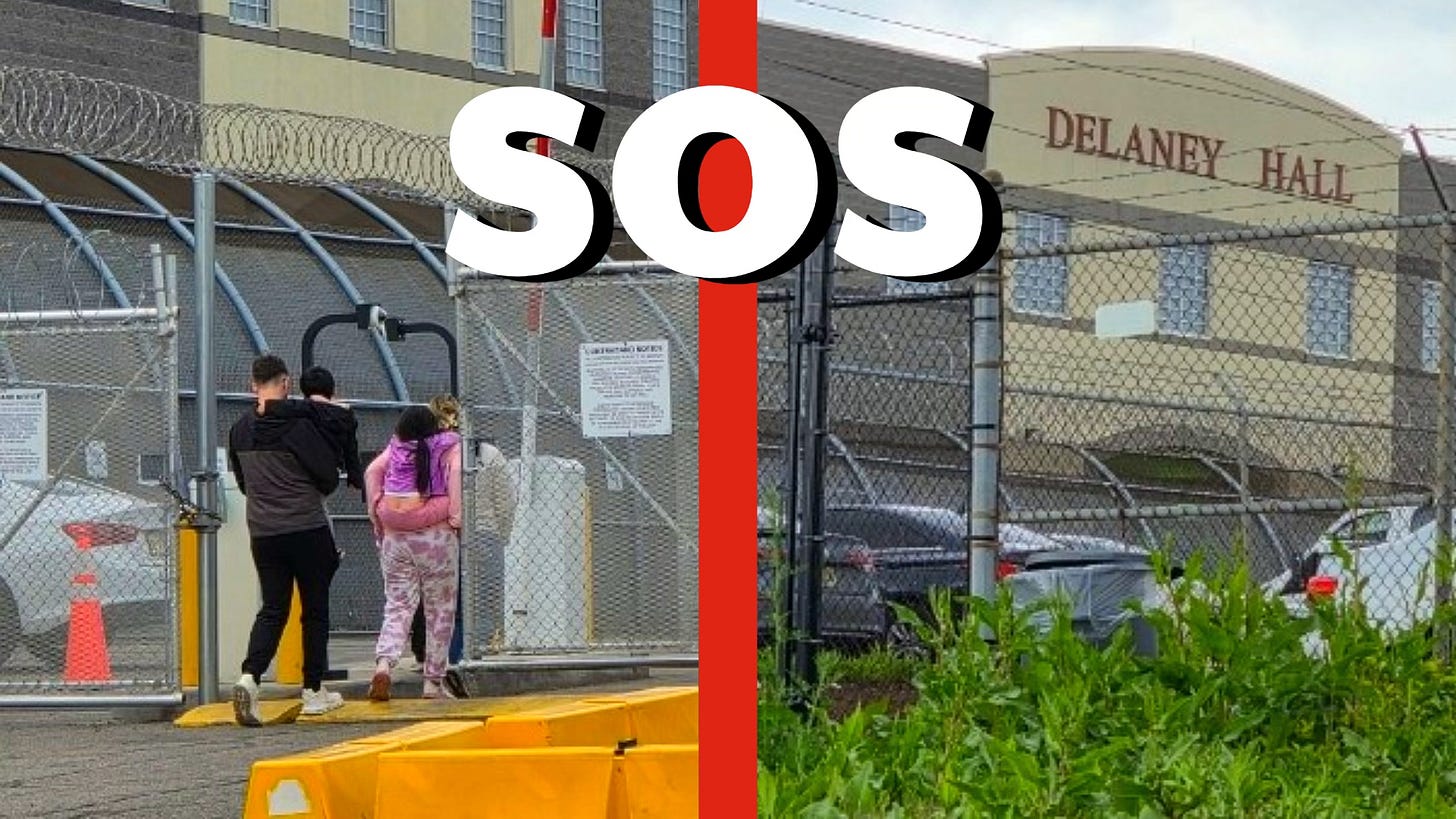
By mid-2026, detainees at Delaney Hall and other ICE facilities have exposed a harrowing pattern of systemic abuses marked by physical and psychological torture, medical neglect, and inhumane living conditions. Nearly 300 prisoners’ urgent SOS letter detailed violations including starvation, deprivation of necessary medications, exposure to contagious diseases like COVID-19, and constitutional rights infringements, underscoring the human rights crisis within ICE detention centers.
Healthcare failures within ICE detention have reached a crisis point, with 2025 recording the highest number of detainee deaths in two decades and projections for 2026 even grimmer. This surge is fueled by severe understaffing—as seen at Adelanto where physician numbers plummeted despite overcrowding—and restrictive DHS policies requiring ICE director approval for compassionate releases, leaving older and sicker detainees trapped in overcrowded, under-resourced facilities. Tragic incidents like Jose Guadalupe Ramos’s death after a delayed medical response with malfunctioning equipment starkly illustrate these fatal systemic shortcomings.
Conditions at Delaney Hall and the Brooklyn ICE facility reveal a disturbing neglect of detainee welfare, with reports of rotting food, foul bathrooms, poor ventilation, and forced labor for as little as $1 an hour or no pay at all. Representative Daniel S. Goldman condemned these unsanitary conditions and medical neglect, calling for transparency and reforms, while DHS leadership under Markwayne Mullin dismissed detainee complaints and hunger strikes with callous remarks like 'this isn’t a Holiday Inn,' revealing a stark disconnect between detainee realities and official narratives.
The private prison operator GEO Group profits handsomely from running Delaney Hall, boasting a $100 million quarterly revenue increase and a 96 percent profit surge compared to early 2025, even as detainees endure neglect and substandard conditions. This stark contrast between corporate gain and human suffering has drawn sharp criticism from Senator Andy Kim, who decried GEO Group for 'profiting off of human misery' and urged the facility’s closure, highlighting the troubling intersection of profit motives and detainee welfare in ICE detention.



Crackdown on Dissent Escalates
ICE and local police unleashed chemical weapons, surveillance, and violence against striking detainees and their supporters, targeting even lawmakers and journalists.
In late May 2026, detainees at Delaney Hall ICE prison orchestrated a large-scale hunger and labor strike to protest inhumane conditions such as rotten food, inadequate medical care, and forced labor for minimal or no pay. Status Coup News provided rare, extensive live coverage of this resistance, capturing the organized defiance within the detention center that mainstream media largely ignored. This strike underscored the detainees' desperate attempts to reclaim agency amid systemic neglect and abuse.
ICE agents and local law enforcement responded to detainee protests and solidarity demonstrations with brutal force, employing chemical agents like pepper spray and pepperball munitions, physical assaults, and illegal tactics such as shutting off ventilation to gas prisoners. This violent crackdown extended beyond detainees to peaceful protesters, journalists, and even U.S. Senator Andy Kim, who was pepper-sprayed while protecting constituents. The aggressive suppression tactics reveal a coordinated effort to intimidate and silence dissent both inside and outside the detention facility.
Beyond physical violence, ICE has deployed advanced surveillance technologies like Palantir to track protestors and has issued death threats, illustrating a chilling escalation in intimidation tactics. Local officials, including New Jersey Governor Mikie Sherrill, have facilitated these crackdowns by deploying state troopers to enforce restrictive 'protest zones,' effectively curtailing free speech and protest rights. This collaboration between federal and local authorities highlights systemic complicity in suppressing resistance against ICE’s harsh detention practices.
Despite mounting evidence of abuses and public outcry, DHS leadership under Secretary Markwayne Mullin has dismissed detainee protests and justified violent enforcement measures. Mullin’s disparaging remarks—telling hunger strikers 'this isn’t a Holiday Inn' and suggesting those complaining about food 'can go back to their country'—reflect a callous disregard for detainee welfare and protester safety, even excusing the chemical assault on a sitting U.S. Senator. This official stance entrenches a culture of impunity within ICE and DHS leadership.

Lawmakers Demand ICE Transparency
Congressional leaders are pushing legislation to break ICE’s stonewalling and force open detention centers after repeated deaths and blocked oversight.
In May 2026, legislators McIver, Menendez, and Watson Coleman introduced the 'No Delay for Immigration Oversight Act,' a bill designed to guarantee immediate and unfettered congressional access to ICE detention centers. This legislative effort directly responds to persistent concerns about detainee fatalities, alleged obstruction of congressional oversight, and reports of cruel treatment within these facilities. The bill's unveiling on the anniversary of a contentious visit to Delaney Hall poignantly underscores the ongoing challenges lawmakers face in securing transparency and accountability from ICE and its private contractors.
Profits Rise, Reform Stalls
As GEO Group’s earnings soar, authorities double down on violent suppression and corporate interests, sidelining calls for accountability and detainee rights.
By mid-2026, legal and political efforts to address ICE detention abuses have increasingly targeted the financial incentives driving private contractors like GEO Group, whose profits surged by 96 percent alongside a $100 million quarterly revenue increase. Senator Andy Kim has been vocal in calling for the closure of facilities such as Delaney Hall, condemning the exploitation of detainees for corporate gain. However, this push for accountability clashes with entrenched institutional resistance, exemplified by DHS Secretary Markwayne Mullin's dismissive remarks toward detainee protests and hunger strikes, which underscore a broader reluctance within ICE leadership to acknowledge grievances or pursue meaningful reform.
The struggle for reform extends beyond detainees to encompass the suppression of advocates and protesters, revealing systemic enforcement misconduct. In a stark demonstration of this, DHS deployed chemical munitions and armored vehicles against demonstrators outside Delaney Hall, with Senator Andy Kim himself suffering pepperball spray while defending constituents. This violent crackdown on dissent not only highlights the lengths to which authorities will go to silence opposition but also raises profound concerns about the erosion of civil liberties in the fight for justice within the immigration detention system.