Iran oil shock keeps Fed on hold
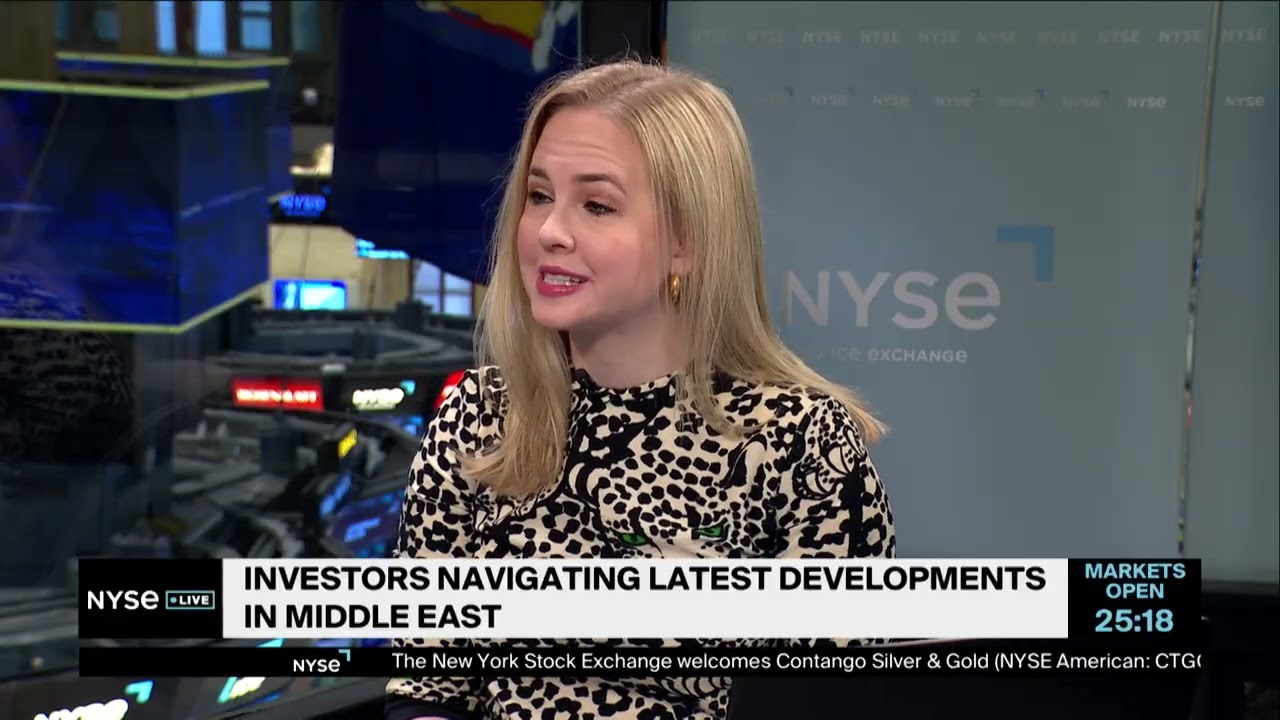
The gist
Oil price shockwaves from the Iran conflict are igniting inflation, testing the Fed’s resolve, and throwing global markets into a tense, high-wire balancing act.
What to know
- Oil spiked above $125 per barrel as Iran flexed its control of the Strait of Hormuz, driving headline CPI toward 6.1% and core PCE to 3.2%.
- The Federal Reserve is holding off on rate cuts amid hawkish internal debates, stubborn inflation, and a labor market full of mixed signals.
- Despite geopolitical chaos, equity markets have stayed surprisingly resilient while working families face soaring fuel costs and emerging markets scramble to stabilize currencies.
Oil Volatility Upends Forecasts
Wild price swings and strategic stockpiling are distorting GDP projections as Iran’s chokehold on the Strait of Hormuz triggers a domino effect across the global economy.
The Iran conflict has injected significant volatility into energy markets, with oil prices swinging intraday by as much as $10 per barrel and briefly surpassing $125 on the IceBren benchmark before retreating to around $113. This turbulence is partly driven by Iran's control over the Strait of Hormuz, a critical chokepoint for global oil shipments, which has pushed prices consistently above $100 a barrel despite U.S. efforts to keep shipping lanes open. Additionally, anticipatory buying ahead of escalating tensions appears to have pulled forward demand, temporarily boosting Q2 GDP expectations as businesses and consumers stockpiled inventories.
Rising energy prices are fueling a renewed inflation surge that threatens to eclipse the Federal Reserve's 2% target, with core PCE inflation climbing to 3.2% and headline CPI projected to reach 6.1%, potentially hitting 8.5% annualized by May. Gasoline prices have soared by 50%, jet fuel by 90%, and fuel oil by 70% since the conflict began, driving up costs across the economy—from delivery fees and airfares to grocery bills—thereby intensifying the affordability crisis faced by working-class families nationwide. As Mark Zandi warns, these energy shocks risk inflicting more economic damage than the tariff inflation of 2025, creating a 'noxious combination of higher inflation and slow growth' that dampens job prospects and consumer spending.





Fed’s Policy Paralysis Deepens
Internal Fed divisions and a ticking inflation clock leave central bankers gridlocked, as supply-driven shocks expose the limits of traditional monetary tools.
Amid escalating geopolitical tensions stemming from the Iran conflict and resulting energy shocks, the Federal Reserve has adopted a notably cautious stance on monetary policy, delaying any interest rate cuts as inflation remains stubbornly above target and labor market uncertainties persist. This cautious approach reflects a growing coalition of hawks within the Fed, including voices like Lori Logan, Beth Hammock, and Neel Kashkari, who resist easing policy while inflation pressures—such as a producer price index above 3% and core PCE rising to 3.2%—remain elevated. Kashkari emphasized, "we shouldn't be having an easy kind of mindset policy that we're going to be cutting rates while inflation is up," underscoring the internal dynamics that complicate policy decisions during this fraught period.
The Fed's policy challenges are further compounded by the critical timeline imposed by dwindling oil reserves and the ongoing blockade impacting Iran, with officials acknowledging a narrow window of four to six weeks before inflationary pressures could worsen significantly. Market expectations have adjusted accordingly, pricing in no rate cuts until a ceasefire is achieved and oil prices stabilize, with only two or three additional hikes anticipated this cycle. This delicate balancing act is highlighted by the Fed's recognition that persistent inflation—projected by Cleveland Fed's nowcasting model to reach headline CPI levels of 6.1% and three-month annualized CPI inflation possibly hitting 8.5% by May—will continue to drive volatility and complicate the timing of future monetary easing.
While the Fed remains on hold, balancing a strong job market against persistent inflation risks exacerbated by supply-side shocks, particularly in energy, internal debate persists over the appropriate policy response. Some officials suggest alternative inflation measures, such as trimmed mean indices from the Dallas and Cleveland Feds, which still indicate inflation above target, reflecting ongoing uncertainty. Moreover, experts caution that higher interest rates may not effectively address inflation driven by energy supply disruptions, with one analyst noting, "I don't think higher rates are the answer here. I think this is a supply side shock to the system with regard to energy," illustrating the nuanced challenges the Fed faces amid these geopolitical tensions.
Investor behavior mirrors the Fed's policy quandary, as rising inflation and energy shocks push market participants toward riskier assets while the central bank holds rates steady. This dynamic creates a fragile risk appetite that could abruptly shift once the Fed resumes tightening, with former Fed Governor Kevin Warsh warning of an impending market inflection point. Despite the current flatlining of rate expectations for 2026, the possibility of future hikes remains baked into market assumptions, underscoring the Fed's tightrope walk between containing inflation and sustaining growth amid ongoing geopolitical uncertainty.


Markets Defy Economic Gravity
Investors are buying into market dips and fueling a Wall Street rally even as bond markets flash warning signs and real-world risks mount.
Despite the geopolitical turmoil stemming from the Iran conflict and the resulting energy shocks that have sent oil prices soaring, equity markets—particularly the S&P 500—have demonstrated surprising resilience. This strength is not merely a byproduct of the tech-heavy 'Magnificent Seven'; even an equal-weighted S&P 500 ETF excluding these giants is outperforming the market cap-weighted index by 5%, underscoring broad-based investor confidence. Strong labor markets and a cautious Federal Reserve approach have anchored this resilience, helping to challenge the gloomy economic growth forecasts that have fueled market jitters ahead of key earnings reports.
Investor sentiment amid this volatility reveals a complex psychology: rather than retreating, many traders are embracing the conflict-driven market dips as buying opportunities. Patrick Boyle aptly observes that equity traders treat the Middle East war as a 'great opportunity to buy the dip,' reflecting a market that quickly prices in worst-case geopolitical scenarios and then grows impatient waiting for outcomes. This dynamic contributes to a disconnect where Wall Street appears detached from traditional economic slowdowns and inflation risks, adopting a wait-and-see stance on Federal Reserve policy changes, which could leave markets vulnerable to sudden corrections.
A widening chasm between booming equity markets and strained bond markets, highlighted by BlackRock’s Rick Reider, encapsulates the nuanced challenges investors face in 2026’s volatile landscape. While equities continue to climb amid mounting geopolitical risks and surging oil prices, bond markets reflect underlying economic stress, signaling heightened market volatility and complex risk management dilemmas. This divergence underscores the intricate interplay of geopolitical tensions and energy shocks that investors must navigate, complicating portfolio strategies in an environment where traditional market signals are increasingly out of sync.


Emerging Markets Face Currency Storm
India and China scramble to contain currency chaos and economic fallout as energy shocks and geopolitical tremors test their financial defenses.
Emerging markets, particularly India, are grappling with heightened economic strains amid the ongoing Iran conflict, which has exacerbated currency volatility and foreign exchange risks. The Reserve Bank of India (RBI) has responded by clamping down on offshore rupee trading and tightening currency futures regulations to stabilize the rupee and safeguard economic growth, reflecting the fragile state of these markets under geopolitical pressure.
China's economic resilience is being rigorously tested in 2026 due to energy shocks and shifting global dynamics linked to the US-Iran conflict. While China pursues RMB internationalization as a strategic adaptation to these geopolitical and fiscal recalibrations, its cautious economic rebound in Q1 2026 underscores vulnerabilities that contribute to volatile markets and complicate policy decisions worldwide.