Iran’s hormuz gambit deepens yuan, bitcoin shift
The gist
Iran’s threat to close the Strait of Hormuz and its Bitcoin-powered insurance gambit are colliding with China’s yuan muscle, upending oil markets and shaking the very foundation of the petrodollar system.
What to know
- Iran plans to weaponize the Strait of Hormuz by early 2026, forcing U.S. Navy escorts while the White House scrambles without a clear contingency plan.
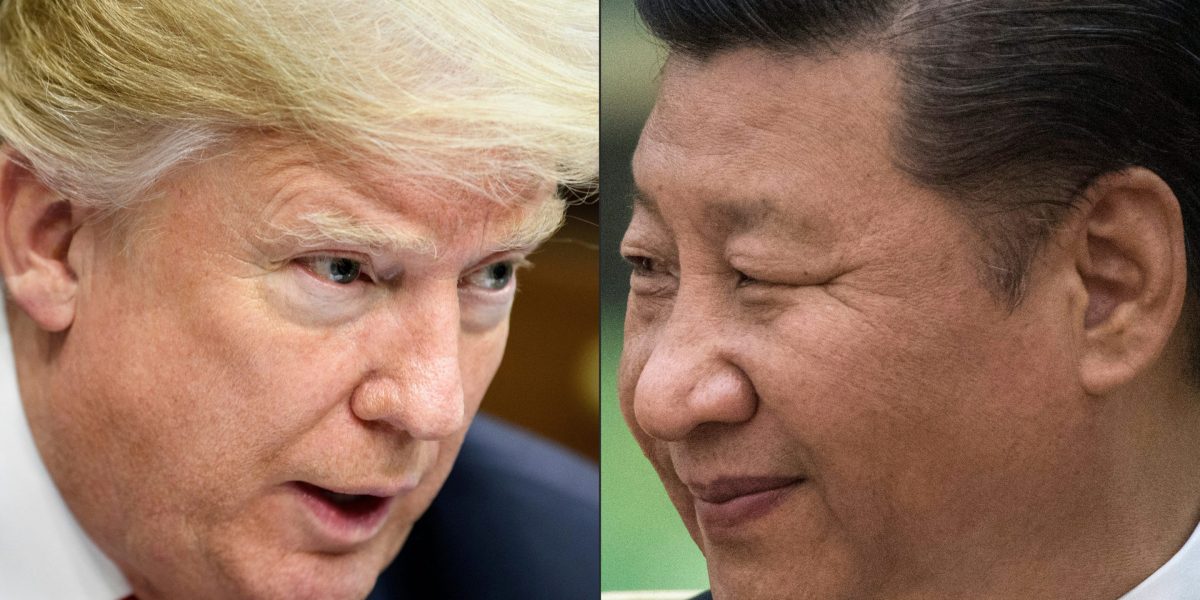
- China now buys up to 90% of Iran’s oil in yuan, sidestepping U.S. sanctions and flexing rare earth export controls just as the Trump-Xi summit approaches.
- Iran’s new ‘Hormuz Safe’ Bitcoin insurance platform is pulling in over $10 billion a year, compelling global shippers to pay in crypto and fueling wild swings in energy and currency markets.
Strait of Hormuz Standoff
Iran’s gray-zone tactics and U.S. military escorts have triggered global energy shocks, inflamed inflation, and left Washington exposed by a lack of strategic planning.
By early 2026, the United States found itself scrambling to respond to Iran's looming threat to close the Strait of Hormuz, a move widely recognized as a strategic lever for the weaker party in this asymmetric conflict. Despite the high stakes—where such a closure would sharply increase fuel prices and squeeze the American public financially—there was reportedly no comprehensive contingency plan in place to address this scenario, raising questions about whether President Trump was adequately briefed before taking consequential actions.
In response to escalating tensions, the Trump administration launched a U.S. Navy operation to escort vessels safely through the Strait of Hormuz, signaling a direct military effort to maintain the flow of global energy supplies. However, this military presence has not fully restored commercial confidence, as Iran continues to wield strategic ambiguity and gray-zone tactics—leveraging the chokepoint’s geography to sustain psychological uncertainty among insurers, traders, and regional governments without provoking outright conflict.
Iran’s tightening grip on the Strait amid stalled reopening talks has intensified global energy shocks, fueling inflation surges and reshaping geopolitical alliances in a volatile 2026 landscape. Experts like Amos Hochstein warn of looming oil shortages as Iran deftly manages wartime production limits, keeping markets jittery and oil prices elevated, while the conflict’s ripple effects extend beyond military posturing to disrupt trade, technology, and diplomatic relations worldwide.




Yuan Deals and Rare Earths
China’s yuan-for-oil strategy and rare earth export controls are undermining U.S. sanctions, tilting global supply chains and diplomatic leverage in Beijing’s favor.
China has taken a bold stance against U.S. sanctions by actively supporting Iranian oil refiners such as Hengli Petrochemical, which has conducted billions of dollars in business with Iran despite Treasury Department sanctions targeting these entities. By purchasing up to 90% of Iran’s oil and conducting transactions in yuan, Beijing not only provides Tehran with discounted energy but also circumvents the U.S. dollar-based sanction regime, thereby escalating economic competition amid the Strait of Hormuz tensions.
Leveraging its dominant position in rare earth elements and vast commodity reserves, China is strategically restricting exports and employing diplomatic maneuvers to outflank U.S. sanctions and blockade efforts. This multifaceted approach not only counters American economic coercion but also shifts global influence toward Beijing, signaling a recalibration of power in critical supply chains essential for technologies like AI, especially as Washington intensifies pressure ahead of the Trump-Xi summit.
The U.S. strategy to weaponize sanctions and control over oil and rare earth supplies is rattling global markets and intensifying strategic competition with China, which responds by entwining economic tactics with diplomacy to safeguard its ambitions and alliances. This dynamic interplay underscores a broader geopolitical realignment where China’s sanctions defiance and resource control are pivotal in challenging U.S. dominance amid the escalating Hormuz showdown.


Bitcoin Insurance Power Play
Iran’s Hormuz Safe platform forces global shippers to use Bitcoin, monetizing its maritime chokepoint and building a crypto-fueled war chest outside Western financial reach.
Iran’s launch of Hormuz Safe, a state-run maritime insurance platform operating exclusively with Bitcoin and other cryptocurrencies, marks a groundbreaking effort to circumvent Western sanctions and the SWIFT financial network. By settling premiums and indemnities in Bitcoin, Tehran not only addresses the skyrocketing war risk insurance premiums caused by the US naval blockade but also creates a sovereign financial infrastructure that monetizes its strategic control over the Strait of Hormuz. This innovative use of blockchain technology transforms traditional maritime insurance into a programmable financial product, effectively forcing global shipowners to adopt Bitcoin payments to navigate Iranian waters and sustain trade under sanctions.
Beyond insurance, Iran’s broader Bitcoin strategy leverages its substantial state-supervised mining operations, which covertly convert subsidized domestic energy into hard currency outside US sanctions. Despite Western estimates suggesting a collapse, Iran maintains a significant share of global Bitcoin mining through obfuscation tactics, enabling a steady inflow of crypto assets that underpin platforms like Hormuz Safe. Projected to generate over $10 billion annually, this digital-asset architecture exemplifies Iran’s asymmetric economic warfare, reshaping global energy and digital-asset geopolitics amid escalating US-Iran tensions and contributing to market volatility.
Iran’s deployment of Hormuz Safe coincides with a broader geopolitical shift where Bitcoin emerges as a neutral asset in a fractured global financial system, increasingly leveraged by states under embargo to maintain economic sovereignty. By effectively pricing access to the Strait through mandatory Bitcoin-backed insurance rather than direct transit tolls, Iran normalizes financial leverage over one of the world’s most critical maritime chokepoints, historically responsible for about 20% of global oil flows. This strategic move sends a clear message to Washington: frozen dollars and blocked SWIFT access are no longer insurmountable barriers, as Iran forces global maritime players into the cryptocurrency ecosystem, thereby reshaping liquidity flows and geopolitical stakes amid tightening oil supplies and simmering Middle East conflict risks.




Petrodollar Unraveling Accelerates
As the U.S.-Iran crisis deepens, global markets reel from supply chain chaos and currency upheaval, with rivals dumping Treasuries and shifting to yuan and crypto alternatives.
The escalating U.S.-Iran conflict and the Strait of Hormuz blockade are accelerating the erosion of the petrodollar system, as countries increasingly seek alternatives like yuan-denominated settlements, gold, and digital currencies to circumvent U.S. sanctions. China’s strategic move to pay for Iranian crude in yuan and implement anti-sanctions blocking rules directly challenges the dollar-based compliance infrastructure, signaling a significant shift in global currency competition ahead of the Trump-Xi summit. Despite the dollar still commanding over 57% of global reserves, this gradual reconfiguration is reshaping geopolitical alliances and investor risk profiles, with some foreign central banks already selling U.S. Treasuries to source yuan, reflecting a broader realignment in economic power.
Global markets are bracing for heightened volatility as the U.S.-Iran tensions disrupt energy supply chains and shake investor confidence, particularly in the energy and cryptocurrency sectors. Bitcoin’s sharp plunge below $77,000 amid fears of oil supply disruptions exemplifies this turbulence, while major financial institutions like BlackRock have moderated their bullish stance on U.S. equities, shifting from overweight to neutral due to geopolitical uncertainties. Operational challenges reported by companies such as Westpac—ranging from increased bad debt allowances to higher air freight costs and more intrusive Chinese inspections—underscore the broader economic ripple effects complicating investor decisions in the lead-up to the Trump-Xi summit.
The conflict’s impact extends beyond financial markets into tangible disruptions in global energy supply chains, as seen in India’s LPG shortage forcing refiners to cut alkylate production, which in turn exacerbates gasoline shortages in California. Iran’s innovative sanctions evasion tactics, including Bitcoin-backed shipping insurance and demands for fees on undersea internet cables traversing the Strait of Hormuz, further complicate the geopolitical landscape. Meanwhile, the prolonged blockade has stranded hundreds of ships in the Persian Gulf, causing physical damage and operational difficulties that heighten risks to maritime trade and energy transport, all of which contribute to a volatile environment ahead of the pivotal Trump-Xi diplomatic engagement.
Within the U.S. political elite, there is a deep division over the strategic approach to the Iran conflict, with factions debating between preserving costly global hegemony through confrontation and potentially ceding leadership to China to avoid further economic strain. This internal uncertainty reflects broader geopolitical realignments as countries reassess alliances in response to China’s assertive countermeasures and Iran’s sanctions evasion strategies. While short-term volatility is expected to persist, analysts like Arthur Hayes anticipate that over the next one to two years, new pipelines and diversified supply routes will reduce Iran’s leverage, signaling a gradual adaptation of global supply chains and a possible recalibration of power balances post-Trump-Xi summit.