Iran’s hormuz toll war meets AI tanker routing
The gist
Iran is weaponizing the Strait of Hormuz with new tolls and mine threats, forcing the world to navigate soaring oil prices and a technological arms race just to keep the energy flowing.
What to know
- Iran’s new demand for transit permission and insurance fees could rake in $40 billion a year, while the US threatens naval blockades to keep the chokepoint open.
- Despite a June 2026 ceasefire, tanker traffic is crawling and risky—global oil prices are surging and reserves are being drained as mines and attacks persist.
- AI-powered navigation like Orca AI’s Co Cap is now essential for dodging mines, highlighting a shift toward tech-driven control of the world’s most volatile shipping lane.
Iran’s Economic Chokehold
Iran’s tollbooth tactics in the Strait of Hormuz are transforming a military standoff into a lucrative, high-stakes contest over international law and global oil flows.
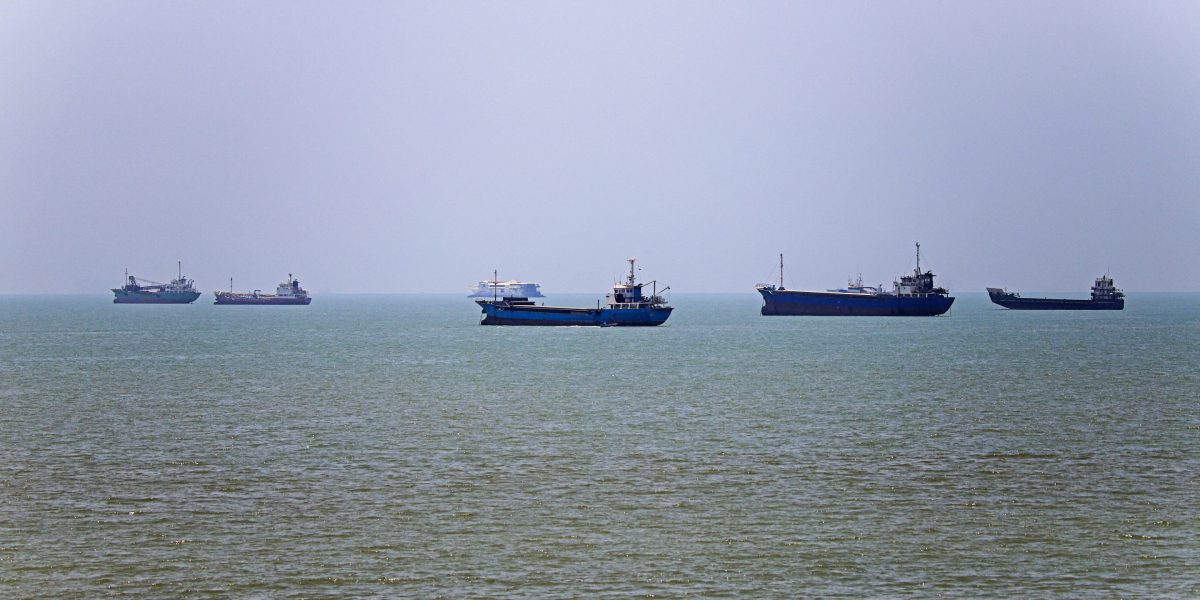
Iran has escalated its military enforcement in the Strait of Hormuz by demanding permission and free insurance fees for all maritime transit, signaling intentions to impose tolls that could generate up to $40 billion annually. This 'tollbooth warfare,' as analysts term it, leverages the strategic chokepoint to exert significant economic pressure on the US and global markets, effectively monetizing control over one of the world's most critical oil transit routes. Despite strong resistance from the US and UK, Iran’s posture remains uncompromising, with Iranian officials bluntly stating they will not alter the Strait's status without a satisfactory deal, underscoring their use of the waterway as a powerful bargaining chip in geopolitical negotiations.
The US has responded to Iran’s toll demands and mining activities with threats of counter-tolls and a naval blockade aimed at denying Iran leverage and compelling the clearance of mines, highlighting the escalating tit-for-tat over control of the Strait. Legal experts widely consider Iran’s toll imposition unlawful under international maritime law, framing the dispute as not only a military standoff but also a contest over the legitimacy of economic rights in international waters. This dynamic has intensified tensions, with President Trump announcing immediate naval operations to block ships entering or exiting the Strait, reflecting Washington’s determination to maintain free passage despite Iran’s asymmetric naval tactics.
Iran’s military enforcement, including attacks on vessels defying its toll regime, and its management of mined waters have kept the Strait perilously choked despite rising tanker traffic and a fragile US-Iran ceasefire. This calculated use of limited force aims to drive up global oil prices and inflict economic pain on the US without triggering full-scale war, as noted by experts like Robert Pape who emphasize Iran’s strategy of coercion through economic disruption. The resulting instability has reshaped global oil flows, overshadowed diplomatic efforts, and fueled inflation fears in the US, illustrating how Iran’s control over the Strait has become a central pivot in regional power struggles and global energy security.
The US faces a complex dilemma in responding to Iran’s assertive control of the Strait of Hormuz: easing sanctions risks empowering a well-financed Iran capable of charging billions in tolls and dominating global oil supply routes, while maintaining pressure risks prolonged geopolitical and economic fallout including soaring oil prices and potential recession. Analysts warn that Iran’s strategic chokehold, bolstered by potential sanction relief and regional investments, is redefining geopolitical strategy by monetizing maritime chokepoints, forcing global powers to scramble amid fragile ceasefires, volatile oil markets, and multipolar power plays. As Eddie Fishman of the Council on Foreign Relations observes, Iran’s control has coerced significant economic concessions from the US, signaling a shift in the balance of power over this vital waterway.




Ceasefire Fails to Unclog Strait
Despite diplomatic deals, persistent mines, drone attacks, and insurance chaos keep oil tankers crawling and global reserves dangerously low.
Despite the June 2026 US-Iran memorandum of understanding aiming to reopen the Strait of Hormuz, tanker traffic remains significantly subdued and fraught with risk. Analysts from S&P Global and Oxford Economics highlight that physical crude markets will stay tight well into 2027, as shipping companies and insurers remain cautious due to lingering mine threats and geopolitical tensions, with only a fraction of normal maritime flow resuming. This slow recovery is compounded by logistical challenges in restarting oil wells and clearing mines, meaning that even Gulf exporters like Saudi Arabia and the UAE will see gradual rather than immediate production rebounds.
The fragile ceasefire has done little to stabilize the Strait of Hormuz as ongoing attacks, including Iran’s drone strikes on Gulf shipping and US naval blockades, continue to disrupt maritime traffic and undermine confidence in safe passage. Maritime insurer Lloyd’s and experts report that traffic remains minimal and risky, with Iran asserting control through toll demands that the US and Gulf Cooperation Council reject, thereby prolonging uncertainty. This persistent instability fuels volatility in global oil markets, contributing to surging prices and elevated inflationary pressures, as noted by Capital Economics and market analysts who warn that supply losses have exceeded 1.5 billion barrels by mid-2026.
The ongoing disruption in the Strait has drained global strategic petroleum reserves to their lowest levels since the 1980s, leaving minimal buffer to absorb supply shocks and exacerbating inflationary pressures worldwide. Even as gas prices show tentative signs of easing toward $3.50 per gallon, consumers face significantly higher costs compared to pre-conflict levels, with inflation driven not only by oil but also by broader economic factors. This precarious balance keeps markets jittery, as the fragile ceasefire fails to fully restore confidence, and geopolitical fault lines continue to threaten a resurgence of conflict that could further destabilize energy supply chains.
Interestingly, despite the fragility of the ceasefire and persistent mine threats, tanker traffic through the Strait of Hormuz has recently surged to its highest level since hostilities began, signaling cautious optimism amid ongoing diplomatic talks. However, this uptick occurs against a backdrop of plummeting U.S. oil reserves and volatile global markets, underscoring the critical importance of the Strait as a maritime chokepoint. As Patrick and Tom emphasize, the US military’s aggressive posture to protect these oil lanes reflects the high stakes involved, with any closure threatening massive financial pain and global economic disruption.

AI Navigates a War Zone
Autonomous navigation tech like Orca AI is now the frontline defense for tankers, marking a shift toward algorithm-driven control in maritime conflict zones.
In the mine-laden Strait of Hormuz, AI-driven autonomous navigation technologies have become indispensable for safeguarding the surge of oil tanker traffic amid escalating geopolitical tensions in 2026. Platforms like Orca AI’s Co Cap are pioneering advancements in simultaneous localization and mapping (SLAM) and port operations, enabling vessels to navigate perilous waters with unprecedented precision and safety. This technological leap not only mitigates the risks posed by Iran’s intensified mining activities but also signals a broader shift toward autonomous maritime control in conflict-prone regions, underscoring AI’s pivotal role in maintaining secure global energy supply chains.
The integration of AI autonomy in maritime operations within the Strait of Hormuz is emblematic of a deepening global AI arms race, where technological innovation is as much a strategic imperative as a safety measure. This fierce competition is reshaping operational management and technological sovereignty, with AI-driven maritime safety technologies revolutionizing insurance underwriting and logistics frameworks amid the region’s heightened risks. As geopolitical tensions drive urgent regulatory and technological shifts, collaboration among AI developers and maritime stakeholders is emerging as a critical force in redefining shipping and navigation protocols in one of the world’s most volatile chokepoints.
Energy Security on a Knife Edge
Iran’s asymmetric warfare and global supply shocks are forcing a geopolitical reset, exposing U.S. vulnerabilities and reshaping the world’s oil and defense strategies.
The Strait of Hormuz remains an unparalleled chokepoint in global energy supply, with no viable alternative routes, making its security critical to maritime logistics and energy markets. Iran’s militarization and intermittent closures have stalled oil flows, driving a more than 7% surge in oil prices and exacerbating insurance crises, as highlighted by Flexport’s launch of Sea-Air Express to circumvent disruptions. Despite these challenges, the global trading system continues to function under international law, though the fragility of the June 17 ceasefire and ongoing strikes underscore persistent risks to supply chains and inflation worldwide.
The crisis is accelerating a profound geopolitical and economic recalibration, with Iran leveraging control over the Strait to assert regional dominance and influence global energy security amid a larger Cold War posture involving China and Russia. This dynamic is reshaping maritime defense strategies, as Iran’s asymmetric tactics—such as deploying $20,000 drones against multimillion-dollar U.S. interceptors—force a strategic rethink in naval operations and insurance risk assessments. Meanwhile, the U.S. faces diminished alliances and industrial challenges, notably in shipbuilding under Chinese dominance, which further complicate its capacity to secure vital maritime routes and maintain economic statecraft.
The ongoing Strait of Hormuz standoff is fueling a historic oil supply disruption—the largest ever recorded—leading to rapid depletion of global oil buffer stocks and intensifying inflationary pressures, particularly in the U.S. economy. Experts like Jason Bordoff emphasize that the fundamental risk lies not in crude reserves but in deliverability, prompting a strategic shift toward energy autarky and reduced oil dependency to mitigate future shocks. As Robert Pape notes, Iran’s use of limited military force to drive up oil prices exemplifies a new form of economic leverage in regional power struggles, with ripple effects threatening global economic stability and prompting urgent calls for resilient supply chains in industries from automotive to logistics.
The evolving nature of maritime chokepoint security highlights the limits of military power alone in controlling critical routes like the Strait of Hormuz, where denial of access is easier than sustained control. This reality underscores the increasing importance of diplomatic and legal frameworks alongside military readiness, as safeguarding these routes becomes a shared international responsibility. Moreover, the role of AI-driven misinformation is shaping public perception and policy decisions, adding complexity to the geopolitical narrative and influencing market stability in an already volatile environment.