Jet fuel crisis grounds a million: airlines scramble as US-Iran tensions ignite industry turbulence
The gist
A jet fuel shortage sparked by US-Iran conflict has grounded over a million travelers and upended the global airline industry, exposing just how fragile flight networks really are.
What to know
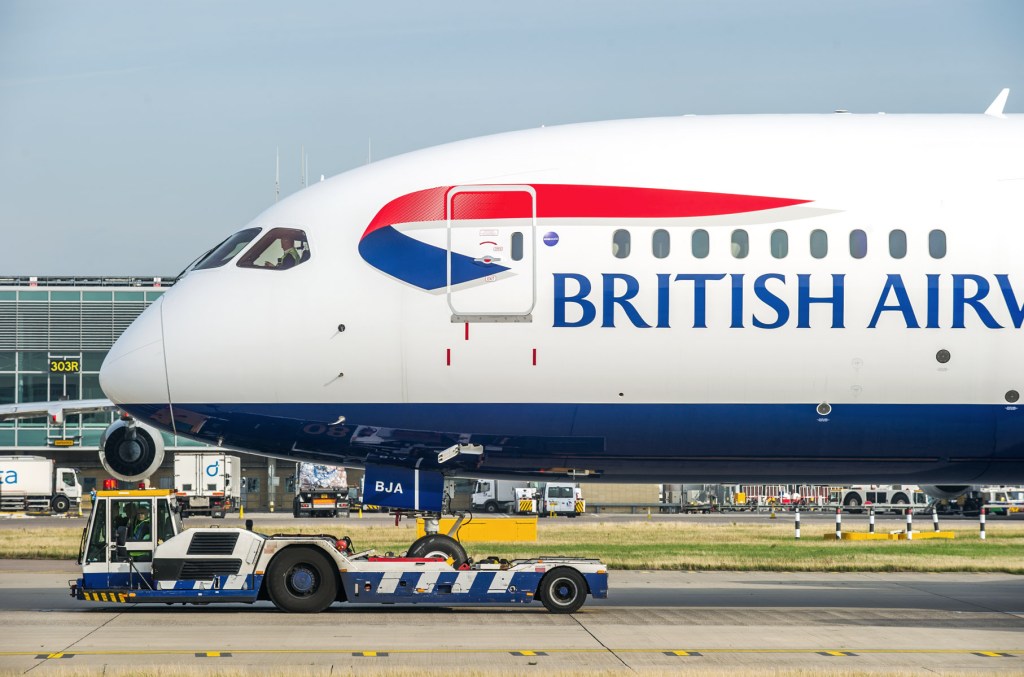
- Over 12,900 flights have been canceled and major airlines like British Airways and Ryanair suspended Middle East routes through October 2026, stranding around one million passengers.
- Middle Eastern carriers face $4.3 billion in losses this year as jet fuel prices spiked 40% to $152 per barrel, forcing longer detours and massive schedule cuts—even as Emirates and Qatar Airways try to expand.
- Spirit Airlines collapsed under surging fuel costs, while survivors are hiking fares and prioritizing reliability, leaving travelers with fewer options and little protection against war-related cancellations.
Geopolitics Fuel Aviation Chaos
The closure and ongoing volatility around the Strait of Hormuz have turned Middle East airspace into a high-risk zone, destabilizing global jet fuel markets and forcing airlines into costly reroutes and mass cancellations.
The escalating US-Iran conflict, centered around the strategic Strait of Hormuz, has become a critical flashpoint destabilizing global oil markets and triggering a severe jet fuel shortage that threatens airline operations worldwide. Following Iran’s June 11 announcement to close the Strait to oil tankers and commercial ships—with warnings of military engagement—oil prices surged over 7%, exacerbating supply chain disruptions. Major European carriers like British Airways, Ryanair, and easyJet have suspended Middle East flights through October 2026, resulting in 12,900 cancellations and stranding approximately one million passengers, underscoring how geopolitical tensions directly translate into operational chaos for global aviation.
This geopolitical turmoil has injected profound volatility into oil and jet fuel markets, with the reopening and abrupt reclosing of the Strait of Hormuz fueling unpredictable price swings that ripple through the aerospace sector. Analysts note that the market’s aversion to uncertainty is palpable, as the on-again, off-again status of the strait—highlighted by a fleeting 14-point deal between Washington and Tehran—forces airlines and investors alike to grapple with fluctuating fuel costs and heightened risk. The situation is further complicated by military confrontations, including US Apache helicopter crashes and Iranian missile strikes, which have intensified airspace restrictions and operational hazards for carriers navigating the region.
Beyond immediate supply disruptions, the US-Iran conflict’s geopolitical dynamics are reshaping broader economic and investment landscapes, as hawkish rhetoric from figures like former President Trump and Iran’s deepening ties with China amplify market anxieties. Central banks and investors are bracing for inflation shocks and shifting safe-haven assets, while airlines face mounting challenges in fuel hedging amid soaring jet fuel prices and uncertain airspace access. Supply chokepoints such as the Strait of Hormuz have thus become pivotal indicators for market reactions and policy decisions, linking geopolitical events directly to aviation fuel volatility and operational risk management.



Fuel Shock Reshapes Airline Fortunes
Soaring jet fuel prices and airspace closures have gutted airline profits, triggered bankruptcies like Spirit’s, and forced even Gulf giants to gamble on expansion while shifting passenger traffic redraws the global aviation map.
The 2026 aviation fuel crisis has inflicted severe financial strain on airlines globally, with Middle Eastern carriers like Emirates, Qatar Airways, and Etihad forecasted to collectively lose $4.3 billion—a stark reversal from a $7.2 billion profit in 2025. This downturn is driven by soaring jet fuel prices, which have surged nearly 40% to $152 per barrel, and the closure of key Middle Eastern airspace due to geopolitical tensions, forcing longer, costlier flight routes that erode the Gulf carriers’ traditional hub-and-spoke cost advantages. Despite these challenges, Emirates and Qatar Airways are paradoxically expanding operations, though their earnings remain highly vulnerable amid ongoing disruptions and the shifting of transfer passenger traffic to alternative hubs such as Istanbul and Indian airports, potentially reshaping regional aviation dynamics for years to come.
The ripple effects of the fuel crisis extend beyond the Gulf, with global airline profits expected to nearly halve from $41 billion to $23 billion in 2026 despite record passenger demand exceeding 5 billion travelers. Airlines across the board are grappling with unprecedented operational challenges, including massive flight cancellations—Qatar Airways slashed 89% of its schedule, Emirates cut half, and Etihad canceled two-thirds of flights—while facing soaring fuel costs that now constitute over 31% of operating expenses. This financial squeeze has forced airlines to raise ticket prices significantly, with United Airlines announcing a 20% increase and low-cost carriers, which operate on razor-thin margins, experiencing acute pressure to stay afloat.
Spirit Airlines’ collapse in 2026 starkly illustrates the devastating impact of skyrocketing jet fuel costs triggered by the US-Iran conflict, underscoring how geopolitical tensions can accelerate airline failures. Although Spirit was already financially distressed prior to the crisis, the sudden surge in fuel prices and the industry's inability to absorb these costs led to over 30% increases in ticket prices and ultimately pushed the carrier into bankruptcy. Lawmakers have linked this collapse directly to the fuel cost volatility and broader antitrust concerns shaking the aviation sector, highlighting the fragile financial health of airlines operating under extreme external pressures.
Beyond financial losses, Gulf carriers face significant operational and insurance challenges as the ongoing Middle East conflict disrupts airspace access and inflates risk profiles. The closure of strategic air corridors not only forces longer, more expensive flight paths but also complicates insurance underwriting, raising costs and operational uncertainties. While state-backed Gulf airlines benefit from fiscal support cushioning some losses, listed carriers like Emirates and Qatar Airways confront elevated earnings risks over the next year, signaling that the aviation fuel crisis and geopolitical instability are reshaping the global air transportation landscape in profound and lasting ways.


Passengers Left Exposed by Gaps
With most travel insurance excluding war-related disruptions and airlines pulling waivers, stranded travelers face mounting financial losses as operational uncertainty persists at major global hubs.
In response to the easing of geopolitical tensions marked by the US-Iran deal, airlines like Turkish Airlines have strategically increased flights to reopened Gulf hubs such as the UAE and Kuwait, signaling cautious route realignments. However, European carriers remain constrained by pending war-risk insurance approvals, underscoring persistent operational uncertainties that complicate route planning despite lifted travel warnings from the UK and Australia. This dynamic illustrates a phased industry adaptation balancing optimism with risk management amid ongoing Middle East airspace restrictions.
Major airlines including Emirates, Qatar Airways, and Lufthansa have shifted from competing on price to prioritizing network reliability, passenger confidence, and operational resilience amid soaring fuel costs and restricted Middle Eastern airspace. Emirates, for example, has implemented anti-stranding guarantees, capacity retention despite premium cabin under-occupancy, and enhanced communication transparency, while Qatar Airways emphasizes flexible rerouting and real-time updates to maintain premium service quality. These strategic adaptations are complemented by active airspace diplomacy and intelligence sharing with authorities to dynamically manage flight corridors and minimize disruptions.
The crisis has exposed critical gaps in travel insurance, as most policies exclude coverage for cancellations or disruptions linked to war or geopolitical conflicts, leaving thousands of passengers financially vulnerable amid widespread flight cancellations and schedule volatility at major hubs like Heathrow, Dubai, and Changi. Airlines have largely withdrawn waivers and refunds, compelling travelers to rely on inadequate insurance that fails to reimburse war-related claims, thereby exacerbating passenger hardships even as airlines grapple with operational and financial pressures.
Amid volatile jet fuel prices and constrained seat availability following the collapse of Spirit Airlines and route cuts, carriers such as WestJet and Porter have selectively reduced fuel surcharges to stimulate demand, while others like Air Canada maintain elevated base fares and fees to recoup losses. Despite a recent 40% drop in fuel costs—from $4.88 to $2.85 per gallon—airfares remain stubbornly high, reflecting a strategic shift toward leveraging strong travel demand and limited capacity for improved profitability rather than passing savings to consumers. This pricing power is further bolstered by airlines employing loyalty program tactics and fare structures aimed at maximizing revenue amid ongoing industry consolidation and financial strain.