Jet fuel crisis grounds spirit, sends fares soaring—and sparks political turbulence
The gist
A jet fuel price shock triggered by the Iran conflict has grounded Spirit Airlines, sent fares soaring up to 35%, and ignited a fierce political storm over airline regulation and consolidation.
What to know
- Spirit Airlines collapsed in May 2026 after jet fuel hit $200 per barrel, leaving 17,000 jobless and sparking political finger-pointing over the blocked JetBlue merger.
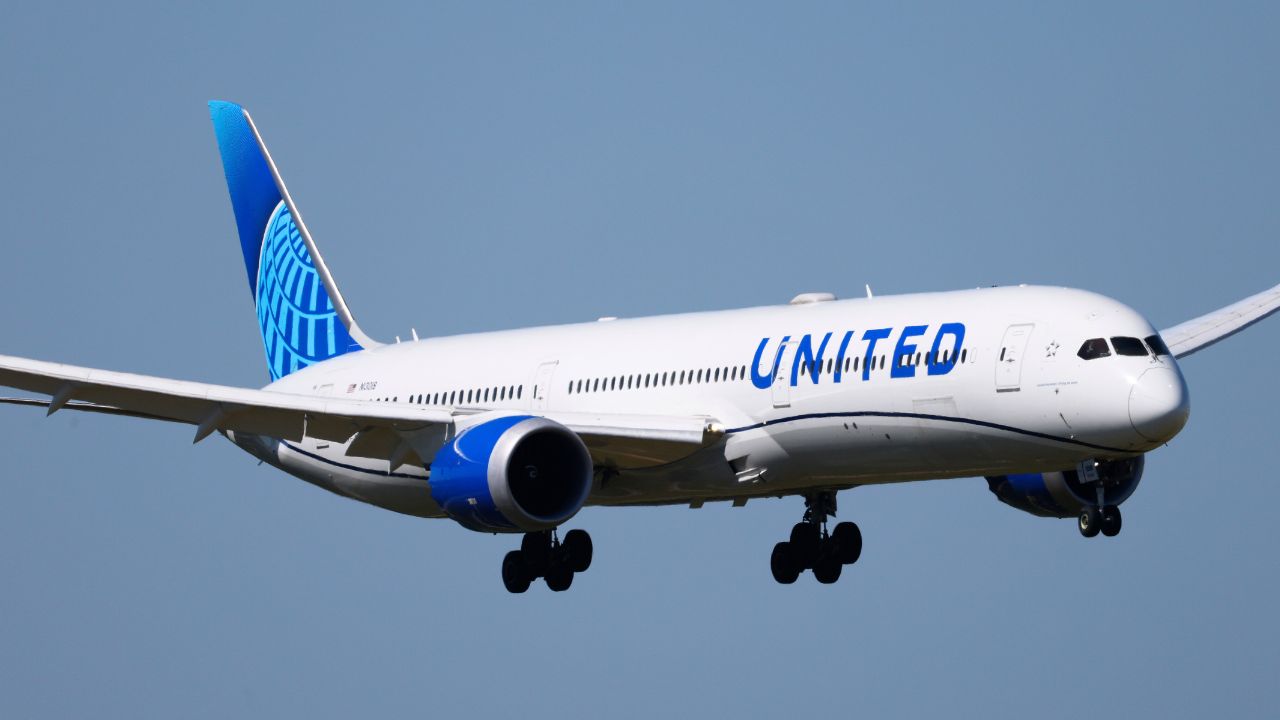
- Major carriers like Delta and United are slashing up to 9% of capacity, hiking fares by as much as 35%, and raising fees—yet still expect industry profits to halve this year.
- With merger talks frozen and Asian rivals like Comac rising, U.S. airlines are scrambling to adapt as $100 billion in fuel costs reshapes the global aviation landscape.
Fuel Shock Reshapes Routes
Skyrocketing jet fuel prices after the Strait of Hormuz closure forced airlines worldwide into drastic fare hikes, capacity cuts, and a scramble to survive, exposing deep divides in financial resilience.
The Iran conflict's escalation in early March 2026 triggered a sharp surge in jet fuel prices, with Brent crude topping $100 per barrel and jet fuel soaring to $200 per barrel, largely due to the effective closure of the Strait of Hormuz which halted about 20% of global oil supplies. This sudden spike imposed immense cost pressures on airlines worldwide, exemplified by Delta's estimate that every $0.01 increase in fuel per gallon adds $40 million in annual expenses, forcing carriers to rapidly adjust operations and pricing to mitigate financial strain.
Airlines responded swiftly but unevenly to the fuel price shock; while industry leaders like Delta and United leveraged leaner operations, stronger balance sheets, and partial fuel cost hedging—Delta benefiting from refinery ownership—to better absorb rising expenses, others such as American Airlines faced greater near-term vulnerabilities. International carriers including Qantas, Scandinavian Airlines, Thai Airways, and Cathay Pacific promptly announced fare hikes and flight cancellations, signaling a global trend of capacity reductions and price increases to manage soaring fuel costs.
By mid-March and into April, capacity cuts became a more prominent tactic alongside fare hikes. United Airlines notably cut about 5% of its flight capacity, focusing on less profitable routes, marking a strategic move distinct from other U.S. carriers that primarily raised fares. Similarly, Air New Zealand implemented multiple rounds of flight reductions totaling around 9% alongside fare increases for upcoming months, while Air Canada suspended all summer flights to JFK, citing jet fuel prices doubling to $4.32 per gallon and rendering lower-margin routes economically unviable. These measures reflect a targeted but significant contraction in available seats, affecting roughly 1% of passengers in some cases.
The immediate market reaction also included early signs of demand softening as travelers responded to increased fares, with travel experts urging consumers to book flights promptly before prices climb further, especially ahead of the peak summer travel season. This shift underscores the delicate balancing act airlines face between managing soaring operational costs and maintaining passenger volumes amid a rapidly evolving geopolitical and economic landscape.



Airlines’ Uneven Survival Tactics
Major carriers are offsetting historic fuel spikes by slashing flights, hiking fares, and leaning on loyalty programs, while others resort to steep ancillary fees and liquidity preservation to stay afloat.
By early 2026, major U.S. airlines like United, Delta, and American faced soaring jet fuel prices—spiking over 50% due to geopolitical tensions—forcing swift financial recalibrations. United Airlines CEO Scott Kirby warned of imminent airfare hikes, with United already cutting about 5% of its flight capacity on less profitable routes while planning fare increases of 15% to 20% to fully offset fuel surges and maintain double-digit pre-tax margins. In contrast, Delta and American Airlines leveraged robust demand, particularly from premium segments and loyalty programs, to raise revenue forecasts despite fuel cost pressures, with Delta’s diversified business model, including a 150% revenue jump in its maintenance segment, cushioning the impact. This strategic divergence highlights how airlines balance capacity adjustments, fare hikes, and revenue diversification to navigate unprecedented fuel cost inflation.
Ancillary fees have become a critical lever for airlines managing soaring operating costs, exemplified by JetBlue’s significant hikes in checked-bag fees—up to $49 during peak travel—to partially offset an 85% jump in jet fuel prices since late February. This move reflects a broader industry trend where carriers raise ancillary charges to preserve competitive base fares while grappling with fuel cost inflation. However, JetBlue’s financial strain is compounded by a projected 21% fuel cost increase for 2026 and intensified competition from a potential Spirit Airlines bailout, pressuring its path back to profitability despite maintaining liquidity and strong revenue growth on key routes.
Australian carriers Qantas and Virgin Australia have similarly revised their financial strategies amid the Middle East conflict’s impact on oil markets, with Qantas doubling its fuel cost forecast for the second half of fiscal 2026 to over A$3 billion and postponing its share buyback program to preserve liquidity. Virgin Australia anticipates a fuel cost increase of A$30 million to A$40 million, prompting both fare adjustments and capacity cuts. These moves underscore a global pattern of airlines recalibrating capacity and pricing strategies to manage volatile and elevated jet fuel expenses.
Despite strong current demand supporting revenue growth, airlines face an ongoing challenge in balancing fare increases with consumer price sensitivity. United’s experience—recovering only 40% to 50% of fuel cost increases in Q2 despite fare hikes and ancillary fees, with expectations to reach near full recovery by Q4—illustrates the delicate interplay between passing costs to customers and maintaining demand. Similarly, American Airlines has lowered its 2026 profit forecast amid nearly doubled fuel expenses accounting for a quarter of operating costs, signaling that sustained fuel price inflation will continue to pressure margins and force strategic trade-offs across the industry.



Spirit’s Fall and Political Fallout
Spirit Airlines’ collapse triggered a fierce debate over antitrust policy and bailouts, revealing how regulatory moves intended to protect consumers can backfire and destabilize the industry.
Spirit Airlines' collapse in early 2026 marked the first major U.S. carrier failure in over two decades, shaking the long-standing stability of an industry dominated by an oligopoly of American, Delta, United, and Southwest. This downfall was precipitated by a confluence of soaring jet fuel prices—exacerbated by the Iran conflict—and operational challenges such as Pratt & Whitney engine issues, but was also deeply entangled with regulatory decisions. The Biden Justice Department's 2024 blockage of JetBlue's $3.8 billion acquisition of Spirit, a move championed by Senator Elizabeth Warren and Secretary Pete Buttigieg, was intended to preserve low-fare competition and save consumers an estimated $1 billion; however, it arguably deprived Spirit of a lifeline, leading to two Chapter 11 bankruptcies and the loss of approximately 17,000 jobs by May 2026.
The regulatory fallout sparked a fierce political blame game, with former Trump officials criticizing the Biden administration for blocking the merger and precipitating Spirit’s failure, while figures like Senator Ted Cruz opposed government bailouts on principle, arguing that the federal government lacks the expertise to run budget airlines and that capitalism should dictate outcomes. This debate underscored broader tensions about market consolidation, with some analysts warning that preventing mergers can backfire by allowing struggling competitors to collapse entirely, while others feared that government bailouts or equity stakes could politicize airline markets and distort competition.
JetBlue Airways, already grappling with a projected 21% increase in fuel costs for 2026 threatening its return to profitability, now faces intensified competition on low-fare routes due to the potential U.S. bailout of Spirit Airlines. Despite these challenges, JetBlue CEO Joanna Geraghty remains cautiously optimistic, acknowledging strong consumer demand and maintaining a flexible stance on future consolidation, signaling that the airline industry’s landscape may continue to evolve amid ongoing economic and regulatory pressures.
The Spirit Airlines saga has prompted a critical reassessment of the U.S. airline industry's protectionist and consolidated structure, highlighting the limitations of current antitrust laws in addressing the risks posed by concentrated economic power. As Professor Rose noted, while concerns about unchecked market dominance threaten freedom, existing legal frameworks may be insufficient to counteract these forces, raising questions about the balance between preserving competition and enabling viable consolidation in a turbulent market environment.





Profit Squeeze and Market Divide
A $100 billion fuel cost surge has halved airline profits, widened the gap between industry giants and weaker rivals, and fueled a wave of bankruptcies and consolidation as geopolitical chaos persists.
By mid-2026, the airline industry is grappling with a staggering $100 billion surge in fuel costs driven by the Iran war, which has nearly doubled jet fuel prices since February and forced airlines to reroute flights around the Strait of Hormuz. This crisis has slashed net profits from $45 billion in 2025 to an estimated $23 billion in 2026, with margins halving to 2%, despite fare hikes of up to 35%. IATA’s Willie Walsh underscored the severity, warning that the industry faces its worst year since the pandemic recovery began, as geopolitical tensions continue to disrupt oil supply and airspace access.
The financial fallout is creating a stark divide within the industry: cash-rich carriers like Singapore Airlines and Qantas are doubling down on fleet expansions, signaling long-term optimism, while weaker players such as Spirit Airlines have succumbed to bankruptcy, and others like JetBlue hover on the brink. This polarization is accelerating consolidation trends, with larger airlines poised to acquire struggling rivals amid route rationalizations caused by Middle Eastern airspace disruptions. As Walsh noted, the combination of soaring fuel costs and geopolitical instability is reshaping the competitive landscape and raising bankruptcy risks.
Despite the grim outlook, demand for air travel remains surprisingly resilient, particularly among affluent passengers, with United Airlines CEO Scott Kirby expressing surprise at travelers’ tolerance for higher fares. However, industry leaders caution that this price insensitivity may not last, as ongoing volatility and geopolitical flashpoints—such as attacks on key hubs like Kuwait airport—inject unpredictability into recovery prospects. The three major Gulf super connector airlines project traffic rebounds, yet concerns linger over the sustainability of this recovery and potential brand damage in origin and destination markets.
Looking beyond immediate challenges, the industry is cautiously optimistic about technological advances, particularly AI, which IATA’s Willie Walsh believes could usher in a transformative era over the next five to ten years. Entering this crisis with comparatively lower leverage than in past downturns provides airlines some financial breathing room to invest in efficiency improvements and customer experience enhancements, potentially mitigating the impact of ongoing fuel cost pressures and geopolitical uncertainty.



Consolidation Stalls, Rivals Rise
With mega-mergers off the table and China’s Comac challenging Boeing and Airbus, airlines are forced to pursue organic growth and technological innovation to withstand relentless cost pressures.
By mid-2026, the airline industry's merger and acquisition landscape has largely stalled, as the market reached a high level of consolidation leaving few viable partners, especially among smaller carriers. Despite earlier speculation fueled by soaring fuel prices post-Iran war, major players like American, Delta, and United Airlines have pivoted towards organic growth strategies rather than pursuing mega mergers, with United CEO Scott Kirby's proposed merger talks with American failing to materialize. The collapse of Spirit Airlines further shrank M&A opportunities within the low-cost sector, constraining expansion options for budget carriers and reinforcing a cautious stance toward consolidation.
The competitive dynamics of aircraft manufacturing are set for a significant shift as China’s Comac emerges to challenge the longstanding duopoly of Boeing and Airbus, signaling a new era of industry rivalry expected to unfold over the next decade. This development coincides with airlines grappling with unprecedented financial pressures from a 70% year-over-year surge in jet fuel prices, driven by the Iran war and Tehran’s strategic closure of the Strait of Hormuz, which has added an estimated $100 billion to the sector's fuel bill. These cost shocks have forced carriers to cut unprofitable routes, particularly those routed through disrupted Middle Eastern hubs, accelerating bankruptcies and prompting selective consolidation primarily among larger airlines.
Despite the severe financial headwinds that have halved industry profits—from $45 billion in 2025 to a projected $23 billion in 2026—and pushed net margins down to a razor-thin 2%, demand for air travel has shown surprising resilience, especially among affluent passengers. United Airlines CEO Scott Kirby expressed surprise at the muted price sensitivity, though International Air Transport Association’s Willie Walsh cautions that the critical uncertainty remains how long travelers and shippers can sustain paying elevated fares amid ongoing geopolitical and economic volatility. Meanwhile, Walsh also highlights that technological innovations, particularly advances in artificial intelligence, could be transformative over the next five to ten years by enhancing operational efficiency and customer experience, offering a potential pathway for airlines to balance growth ambitions with the need for greater resilience.