Joby aviation shifts into high gear: FAA greenlights, olympic ambitions, and air taxi fare wars
The gist
Joby Aviation is turbocharging urban air travel, securing FAA approvals, Olympic exclusivity, and a $2.5B war chest to make air taxis mainstream by 2026.
What to know
- Joby is cleared to operate in 10 states, with Santa Monica demonstration flights set for fall 2025 and official air taxi duties at the 2028 LA Olympics.
- Their eVTOLs feature rugged, redundant electric motors—while Joby scales up factories in California and Ohio and targets fares rivaling ground transport.
- Backed by $2.5 billion in cash, major partnerships (Toyota, Blade), and exclusive Dubai rights, Joby is outpacing rivals in the urban air mobility race.
Engineering for Real-World Flight
Joby’s disciplined focus on proven electric motor tech, scalable manufacturing, and future hydrogen research gives it a pragmatic edge over experimental rivals.
By early 2026, Joby Aviation has distinguished itself in the eVTOL sector through a rapid, iterative design methodology that emphasizes integration over invention, enabling swift refinement of their aircraft systems. This pragmatic approach steers the company away from experimental technologies like superconducting motors, which, despite their theoretical efficiency benefits at scale, present significant complexity and reliability hurdles. Instead, Joby prioritizes highly efficient conventional electric motors, balancing cutting-edge performance with proven dependability to accelerate commercial viability.
Joby’s electric motor architecture exemplifies their commitment to manufacturability and operational resilience, featuring a high-torque, direct-drive design equipped with dual inverters and batteries to ensure redundancy. This vertically integrated engineering strategy not only reduces weight but also streamlines production, reflecting a holistic approach to aircraft development that aligns performance optimization with scalable manufacturing processes.
Looking beyond batteries, Joby is proactively exploring hydrogen fuel cells as a transformative energy source for extending the range and regional capabilities of electric aviation. This forward-looking research addresses critical challenges such as hydrogen storage, refueling infrastructure, and efficient energy conversion, signaling Joby’s strategic intent to diversify powertrain options and maintain technological leadership in the evolving eVTOL landscape.

Cleared for Takeoff—Everywhere
Joby’s regulatory breakthroughs and urban test flights demonstrate real operational readiness, leveraging FAA partnerships and infrastructure innovation to fast-track air taxi deployment.
Joby Aviation has made significant strides in regulatory progress and urban airspace integration, exemplified by its planned demonstration flights from Santa Monica Municipal Airport as early as fall 2025. These flights, pending federal approval, aim to position Santa Monica as a strategic hub ahead of the 2028 LA Olympics, where Joby is designated the official air taxi provider. Addressing infrastructure challenges, Atlantic Aviation is innovating with a battery energy storage system to power eVTOL operations without extensive electrical upgrades, reflecting proactive solutions to regulatory and safety concerns.
In parallel, Joby has advanced through the FAA certification process by successfully flying its first FAA-conforming aircraft, N547JX, which supports critical Type Inspection Authorization testing. Participation in the White House-backed eVTOL Integration Pilot Program across multiple states, including New York, Texas, and Florida, underscores Joby’s collaborative approach with regulators to accelerate safe deployment. These regulatory milestones have culminated in FAA approval to operate in 10 states and a record 18-point progress increase in Stage 4 Type Certification, bringing Joby closer to commercial eVTOL operations.
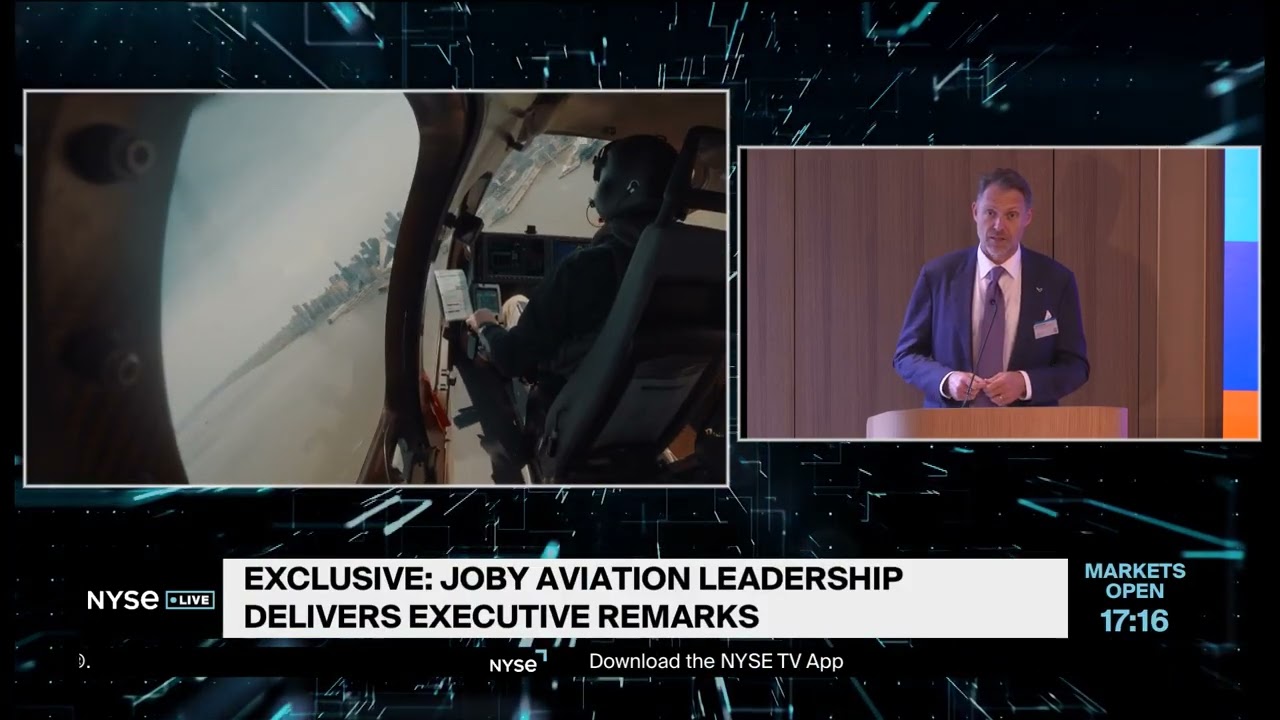
Joby’s operational readiness was vividly demonstrated through its pioneering point-to-point eVTOL passenger flights in New York City, connecting JFK Airport to Manhattan heliports in under ten minutes. These flights, part of an FAA pilot program, showcased the potential to dramatically reduce urban travel times and validated Joby’s ability to navigate complex urban airspace using existing heliport infrastructure. Leveraging its acquisition of Blade, which served over 90,000 passengers in 2025, Joby is strategically expanding its commercial footprint and preparing for a seamless market entry with a premium route network already in place.
CEO JoeBen Bevirt has articulated a pivotal strategic shift for 2026, moving from focusing on market entry timing to scaling aircraft production and deployment. This transition signals Joby’s confidence in its regulatory progress and operational demonstrations, emphasizing readiness to integrate eVTOL aircraft into urban airspace at scale ahead of commercial launch. Complementing this momentum, Joby’s exclusive six-year air taxi rights agreement in Dubai and ongoing pilot programs underscore a global expansion strategy that aligns regulatory achievements with practical deployment.
Leadership That Scales and Endures
CEO JoeBen Bevirt’s vision fuses operational grit with mass-market ambitions, betting on affordable fares and customer experience to disrupt urban transit.
By early 2026, Joby Aviation CEO JoeBen Bevirt has articulated a leadership vision that intertwines operational resilience with ambitious scaling efforts, underscored by the company’s ability to persevere through challenges such as a thunderstorm during aircraft assembly. This resilience is not merely symbolic; it anchors Joby’s concrete plans to expand manufacturing capacity in Marina, California, and Ohio to support the imminent launch of commercial passenger flights, reflecting a strategic commitment to operational excellence and market readiness.
Beyond manufacturing scale-up, Bevirt’s vision extends to democratizing electric flight by delivering exceptional customer experiences through the Blade Urban Air Mobility team, aiming to make air taxi services accessible and tangible for communities. This dual focus on operational growth and customer engagement signals Joby’s intent to not only pioneer eVTOL technology but also to embed it within everyday urban mobility narratives, fostering broad market impact.
In a bold strategic move, Bevirt envisions Joby’s air taxi fares competing directly with ground transportation prices, a stance that prioritizes affordability and accessibility but inevitably tightens margins in this capital-intensive sector. This pricing ambition highlights a leadership willingness to challenge conventional profitability models to accelerate adoption and position Joby as a disruptive force in urban transit economics.

Investors Weigh Progress Versus Risk
Despite regulatory wins and deep cash reserves, Joby faces investor skepticism as high valuations, dilution, and market volatility test confidence in its path to profitability.
By mid-2026, Joby Aviation's market dynamics reveal a cautious yet evolving investor sentiment shaped by its substantial progress in FAA certification and strategic partnerships. While Morgan Stanley and Canaccord lowered price targets to $13 and $11.50 respectively, citing competition from potentially higher-upside, lower-risk AI stocks, they acknowledged Joby's tangible milestones such as FAA approvals in 10 states and public passenger flights. This tempered optimism reflects the venture risk inherent in Joby's pre-revenue status despite demonstrable operational advances.
Joby's robust financial position, underscored by a $2.5 billion cash reserve as of Q1 2026, provides a critical runway amid capital-intensive certification and production scaling phases. Despite a net loss of $110 million and adjusted EBITDA loss of $179 million in Q1—largely offset by $24 million revenue from its Blade acquisition—the company’s strategic alliances with Toyota, which invested $500 million, and Blade’s established premium route network, fortify its market stance. CEO JoeBen Bevirt highlights 2026 as a pivotal year shifting focus from market entry timing to production scale and deployment, leveraging FAA’s eVTOL Integration Pilot Program spanning 26 states.
Investor caution persists amid high valuation multiples and stock volatility, with Joby’s price-to-sales ratio soaring above 141x and bearish Reddit sentiment scoring 35, signaling skepticism about near-term profitability. The stock’s 55% rebound from lows is tempered by a 33% decline following a $576 million equity raise in 2025, which diluted shareholders and coincided with 142 insider net selling transactions. Options traders pricing in an 11.96% move ahead of Q4 earnings further underscore heightened uncertainty, even as strategic moves like the 'Uber Air powered by Joby' partnership hint at future revenue streams.
Competitive pressures from rivals like Archer Aviation, which holds $1.8 billion liquidity and pursues parallel 2026 operational goals, maintain sector-wide urgency to convert demonstrations into certified, scalable commercial services. Joby’s strong cash runway—approximately two years based on a $475 million annual burn rate and $978.1 million cash at Q3 2025—positions it well to navigate certification hurdles and infrastructure challenges. This financial cushion, combined with strategic partnerships and FAA approvals, underpins Joby’s path toward becoming a leading commercial eVTOL air taxi operator.

Urban Air Mobility’s Tipping Point
Joby’s high-profile flights, global partnerships, and infrastructure moves signal a shift from hype to scaled reality, positioning it as the sector’s frontrunner amid rising mainstream momentum.
By early 2026, Joby Aviation had firmly established itself as a frontrunner in the urban air mobility sector through a series of high-profile demonstration flights and strategic partnerships. Its FAA-sanctioned point-to-point eVTOL flights in New York City, connecting JFK Airport to Manhattan heliports in under ten minutes, showcased the technology's potential to drastically reduce urban travel times and address congested city transportation challenges. These efforts, coupled with Joby’s designation as the official air taxi provider for the 2028 LA Olympics and its planned demonstration flights from Santa Monica Municipal Airport starting in fall 2025, underscore the company’s commitment to integrating eVTOLs into major urban airspaces and events, reflecting growing regulatory acceptance and governmental support, including White House-backed FAA programs covering multiple states.
Joby’s competitive positioning is further strengthened by its strategic acquisitions and partnerships, which provide both operational infrastructure and manufacturing prowess. The acquisition of Blade’s premium air taxi network, which served over 90,000 passengers in 2025 across New York and Southern Europe, offers Joby an established customer base and access to existing heliport infrastructure, a significant advantage over many aerospace startups. Additionally, the exclusive six-year air taxi rights agreement in Dubai and backing from major investors like Toyota enhance Joby’s global footprint and industrial capabilities, enabling a critical shift from prototype development to scalable mass production. This robust financial foundation, with $2.5 billion in cash and equivalents as of March 2026, positions Joby to sustain investment through costly certification and deployment phases.
The urban air mobility market itself is rapidly maturing, with Joby’s transition from market entry timing to scaling production signaling a pivotal inflection point. CEO JoeBen Bevirt’s acknowledgment that 2026 marks a shift toward producing and deploying greater numbers of aircraft reflects broader industry momentum fueled by increasing global interest and investment from major players like Delta Air Lines. Meanwhile, innovative infrastructure solutions, such as Atlantic Aviation’s battery energy storage system to power eVTOLs without extensive electrical upgrades, highlight the sector’s focus on sustainable, community-conscious operations that address safety and environmental concerns, essential for widespread urban adoption.