Knicks finals ticket frenzy: sky-high prices push fans to san antonio and beyond
The gist
The Knicks’ first NBA Finals in 27 years has sent ticket prices into the stratosphere, turning Madison Square Garden into Wall Street for basketball—with sky-high seats, corporate buyers, and a booming secondary market.
What to know
- Presale Knicks Finals tickets start at $2,000 with courtside seats hitting a record $270,900 on StubHub—eclipsing even Super Bowl prices.
- Wealthy fans and corporate buyers dominate the Garden, while diehard locals chase cheaper Finals experiences in cities like San Antonio, where tickets are just one-fifth the NYC price.
- MSG Sports’ valuation has soared to $9.85 billion, with each home Finals game expected to rake in over $20 million thanks to premium ticket sales and luxury hospitality.
Ticket Prices Shatter Records
Knicks Finals demand has unleashed a ticket market frenzy, with prices eclipsing Super Bowl levels and $10 seats vanishing in minutes amid unprecedented fan competition.
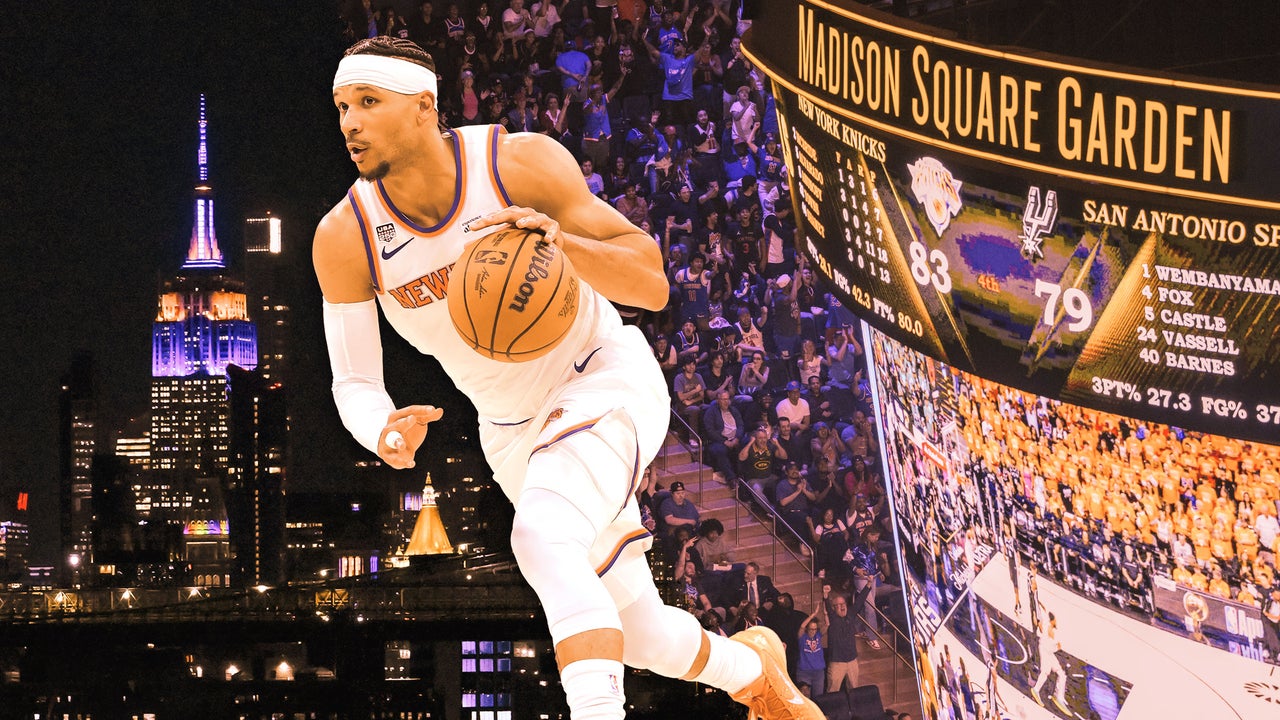
The Knicks’ historic return to the NBA Finals after a 27-year hiatus has ignited an unprecedented surge in ticket prices, beginning with presale levels that shattered norms. As Vanessa Perdomo observed, Chase’s presale tickets opened at an extraordinary $2,000—an opening price rarely seen in primary markets—signaling a fundamental shift in how the league and teams approach pricing amid soaring demand. This New York-specific frenzy has driven prices well beyond typical Finals benchmarks, reflecting the city’s unique passion and the rarity of this moment.
Secondary market dynamics have escalated the price explosion to staggering heights, with courtside seats reaching record-breaking sales of $270,900 on StubHub, and other premium tickets listed at $80,000 or more. This surge dwarfs even marquee events like the Super Bowl, where the Knicks Finals get-in price of around $7,000 doubles the $3,500 baseline for football’s biggest game. Broker activity has further intensified the market, enabling savvy resellers to turn modest initial investments—such as $1,350 tickets—into multi-thousand-dollar profits, underscoring a highly competitive and lucrative secondary marketplace.
The explosive demand extends beyond premium seats, permeating all tiers of the market and challenging traditional assumptions about ticket accessibility. Even $10 tickets vanished within two minutes despite queues exceeding 300,000 fans, illustrating a feverish appetite that transcends price points. Moreover, games outside Madison Square Garden have seen ticket prices rise significantly compared to last year’s Finals average of $1,100, demonstrating the Knicks’ broad impact on the entire Finals ticket ecosystem and signaling a new era of elevated baseline pricing across venues.


Wealthy Fans Dominate Access
Corporate buyers and affluent individuals are outbidding diehard locals, turning Knicks Finals games into exclusive events where even $10 watch parties sell out instantly.
The unprecedented surge in Knicks NBA Finals ticket prices is largely fueled by an influx of extremely wealthy individuals and corporate buyers, reflecting a broader trend of discretionary spending among affluent consumers. Vanessa, a market analyst, highlights that 'who’s going to the games is extremely wealthy individuals and if your company loves you that much, you might get some hospitality seats out of the deal,' underscoring how corporate hospitality packages are driving demand. This phenomenon is particularly pronounced in New York, where the Knicks’ first Finals appearance since 1999 has created a unique, localized spike in ticket prices, distinguishing it from other markets.
Presale ticket prices for the Knicks Finals began at an unprecedented $2,000, with secondary market prices reaching stratospheric levels, including confirmed courtside sales at $270,000 on StubHub. Such figures not only dwarf typical NBA Finals pricing but also surpass costs associated with marquee events like the Super Bowl, where game four tickets in New York City are listed between $7,000 and $17,000. This pricing dynamic illustrates the extraordinary willingness of wealthy fans and corporate buyers to pay a premium for exclusive live experiences, driving an intense bidding environment that benefits season ticket holders and brokers who can realize thousands in profits through resale.
The concentration of spending power among affluent consumers is further evidenced by the rapid sellout of ancillary fan experiences, such as watch parties priced at $10, which sold out in mere minutes despite being accessible primarily to die-hard fans without corporate seating. This intense demand, even for lower-priced events, signals a market where wealthy and corporate buyers prioritize immersive, exclusive access to the Knicks Finals atmosphere, amplifying the overall surge in ticket prices both inside Madison Square Garden and in surrounding venues across the country.
Fans Flee to Cheaper Cities
Soaring MSG prices are driving New Yorkers to Finals games in San Antonio, where bundled travel packages and lower ticket costs offer a more affordable—and passionate—alternative.
The astronomical Knicks ticket prices in New York have driven a significant portion of local fans to seek more affordable NBA Finals experiences in other markets, notably San Antonio, where about 20% of Game 1 ticket buyers hail from New York zip codes. This migration is fueled by the stark contrast in pricing—tickets in San Antonio cost roughly one-fifth of the cheapest seats at Madison Square Garden—making travel, lodging, and game attendance there collectively less expensive than a single nosebleed seat at home. Sal Galatioto, president of Galatioto Sports Partners, underscores the severity of this accessibility crisis, noting that even affluent fans are being priced out, with many unwilling to spend exorbitant sums like $100,000 to attend a game in New York.
Innovative offerings like the 'Nicks fly away experience' package have emerged to bridge the gap created by prohibitive local prices, bundling chartered flights, meals, meet-and-greets with former Knicks players, and game tickets in San Antonio to provide a more attainable Finals experience for fans. This shift not only highlights the widening divide in fan access—where in-person attendance at Madison Square Garden is increasingly dominated by wealthy corporate buyers paying upwards of $17,000 for premium seats—but also illustrates how pricing strategies are reshaping the live event marketplace beyond New York. Meanwhile, diehard fans unable to afford these prices have turned to watch parties, which attract thousands and foster a passionate atmosphere absent from the corporate-heavy arena.

MSG Sports’ Financial Windfall
The Knicks’ Finals run has turbocharged MSG Sports’ valuation and revenue, with each home game projected to bring in over $20 million thanks to a lucrative ownership structure.
The Knicks’ unprecedented NBA Finals run has catalyzed a remarkable surge in MSG Sports’ financial standing, with the franchise’s valuation soaring to $9.85 billion—an impressive 30% increase within just one year. This growth is mirrored in MSG Sports’ stock performance, which has climbed 86% over the past 12 months and 43% in 2026 alone, underscoring investor confidence tied directly to the Knicks’ success. Notably, the Knicks’ integrated ownership structure within MSG allows the franchise to retain nearly all playoff ticket revenue internally, a strategic advantage that amplifies the financial benefits compared to other NBA teams that must share revenues with external landlords.
The deep playoff run is projected to inject approximately $140 million in new revenue into MSG Sports, a testament to the direct economic windfall generated by the Knicks’ postseason performance. This influx is further highlighted by the dramatic escalation in revenue per home game, which has surged from an estimated $8 million during the first round to over $20 million anticipated for each Finals game. These figures encompass a broad spectrum of income streams, including premium ticket sales, luxury suites, concessions, and merchandise, collectively illustrating how the Knicks’ on-court success translates into substantial financial gains across multiple facets of the live event marketplace.