LayerZero faces volatility ahead of major token unlock
The gist
LayerZero is bracing for a potential price shakeup as it gears up to unlock 25.71 million ZRO tokens—its biggest supply surge yet—just as competition and market nerves escalate.
What to know
- On August 20, LayerZero will unlock 25.71 million ZRO tokens—7.28% of its market cap and the highest unlock-to-market-cap ratio among major cryptos that week.
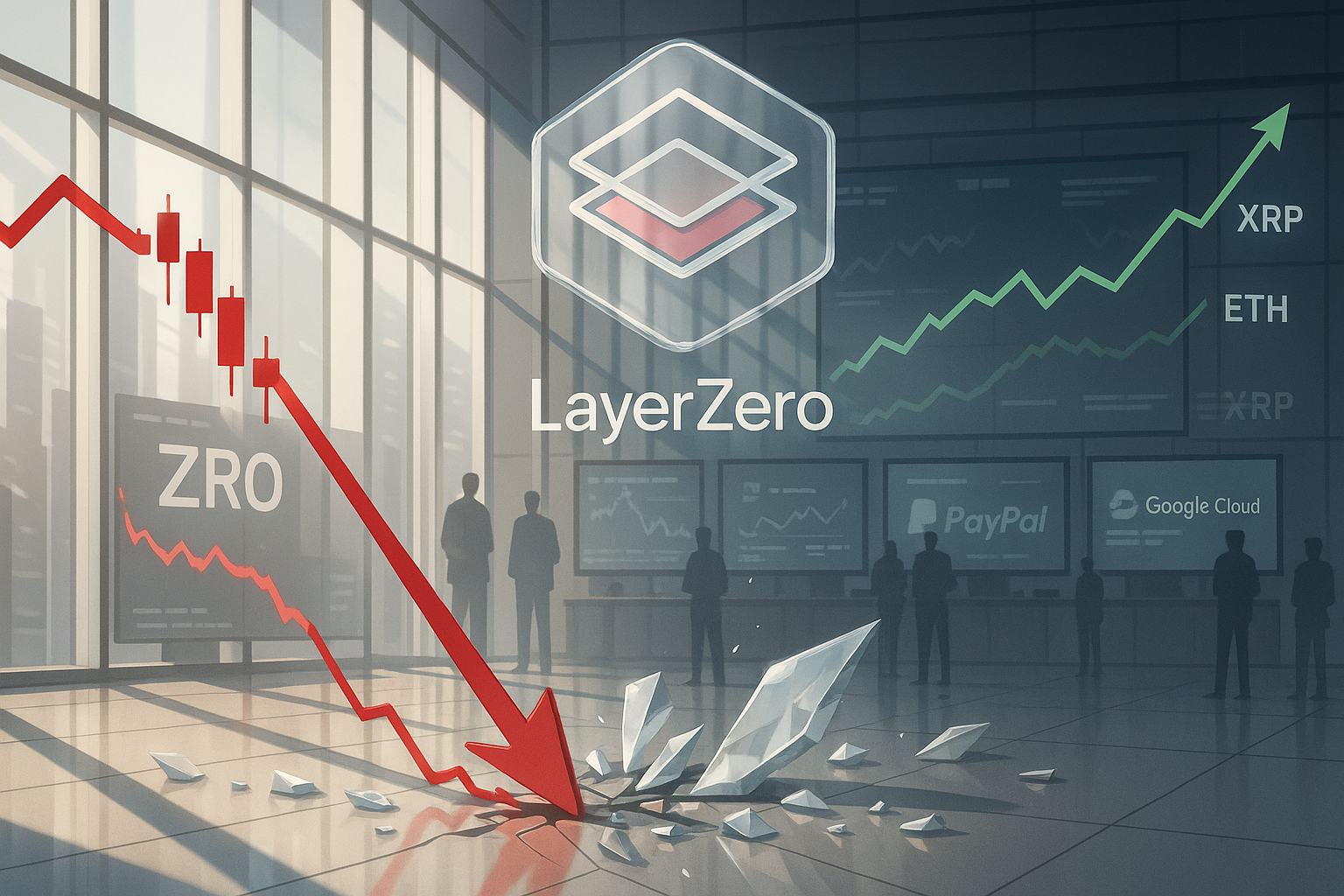
- ZRO’s price whipsawed in late July, jumping 10% despite a big Binance deposit, then nosediving 11% as long positions got liquidated and bearish sentiment took hold.
- LayerZero still dominates cross-chain transfers with 87% market share and $44B in assets, but faces new heat from Chainlink’s CCIP after security woes pushed some protocols to switch.
Token Unlocks Test Market Nerves
LayerZero’s unusually high unlock-to-market-cap ratio is set to intensify supply pressure, spotlighting how even incremental token releases can shake investor confidence amid a broader wave of crypto unlocks.
LayerZero's upcoming token unlock on August 20 will release 25.71 million ZRO tokens, equating to 7.28% of its current market capitalization and marking the highest unlock-to-market-cap ratio among major crypto unlocks that week. While the raw token count may seem modest, this relative scale underscores a significant potential supply pressure that could influence market dynamics, especially given that LayerZero has already unlocked 63.6% of its total token supply. This steady increase in circulating tokens suggests that even as a majority of ZRO is in circulation, fresh unlocks continue to meaningfully expand the available supply, warranting close attention from investors.
The week of August 17–23 sees LayerZero’s ZRO token join a cohort of cryptocurrencies, including ZKsync (ZK), Kaito (KAITO), and Meteora (MET), facing significant fresh supply releases. This cluster of token unlocks across the market signals a broader trend of increased supply pressure that could amplify volatility and price sensitivity, with LayerZero’s high unlock-to-market-cap ratio positioning it as a particularly notable case within this wave of new token inflows.
Wild Swings Signal Uncertainty
ZRO’s price whiplash—jumping 10% on a big Binance deposit before plunging 11% on mass liquidations—reveals deep trader anxiety and the unpredictable impact of large token flows.
The ZRO token demonstrated notable volatility in late July 2026, initially surging over 10% despite a substantial $1.13 million deposit from a LayerZero-linked wallet to Binance, a move that typically signals potential sell pressure. This unexpected price jump amidst a large exchange inflow highlights the complex and sometimes counterintuitive market dynamics surrounding ZRO.
However, this bullish momentum was short-lived as ZRO faced a sharp reversal, declining 11% just days later amid a spike in long liquidations. The surge in forced sell-offs underscores growing bearish sentiment and suggests that traders are bracing for further downside, intensifying downward pressure on the token's price.

Dominance Challenged by Rivals
LayerZero’s cross-chain supremacy faces fresh threats as Chainlink’s CCIP capitalizes on security concerns, forcing LayerZero to double down on reliability to defend its $44B stronghold.
LayerZero’s Omnichain Fungible Token (OFT) standard has solidified its dominance in the cross-chain transfer landscape, accounting for an impressive 87% of all cross-chain volume and managing around $44 billion in assets across more than 100 networks as of mid-2025. This overwhelming market share underscores the protocol’s critical infrastructure role, further emphasized by its support for 61.2% of all issued stablecoins—approximately $150 billion worth—highlighting LayerZero’s foundational position in the broader crypto ecosystem. However, the protocol is strategically winding down support for low-activity chains such as Botanix and Canto to optimize resource allocation and enhance service quality on more active networks, signaling a focus on sustainable growth and network efficiency.
Despite its dominant market position, LayerZero faces mounting competitive pressure from Chainlink’s Cross-Chain Interoperability Protocol (CCIP), which has gained traction particularly following security incidents that prompted some protocols to migrate away from LayerZero. This competitive dynamic places a premium on LayerZero’s network reliability and security, making these factors pivotal to maintaining its market share and future growth prospects amid an increasingly contested cross-chain interoperability space.