Marketers rally to restore brand fundamentals amid AI drift
The gist
Top marketers are pushing back against AI-driven sameness and fragmented campaigns, rallying to put brand fundamentals back at the heart of marketing strategy.
What to know
- By late 2026, industry heavyweights like Alessandro Manfredi and Marc Pritchard warned that marketing’s obsession with dashboards and automation is eroding brand identity.
- Ralph Lauren’s disciplined focus on its core vision under Patrice Louvet boosted its share price by over 400% since 2017 and grew revenue to $8.1 billion last year.
- McDonald’s proved that rising 'brand love' reliably predicted sales increases three to six months later, making a clear case for prioritizing brand health over short-term tinkering.
Strategic Rigor Returns
Marketing leaders are rejecting short-termism, insisting that only a return to deep strategic discipline can cut through today’s chaotic, fragmented media landscape.
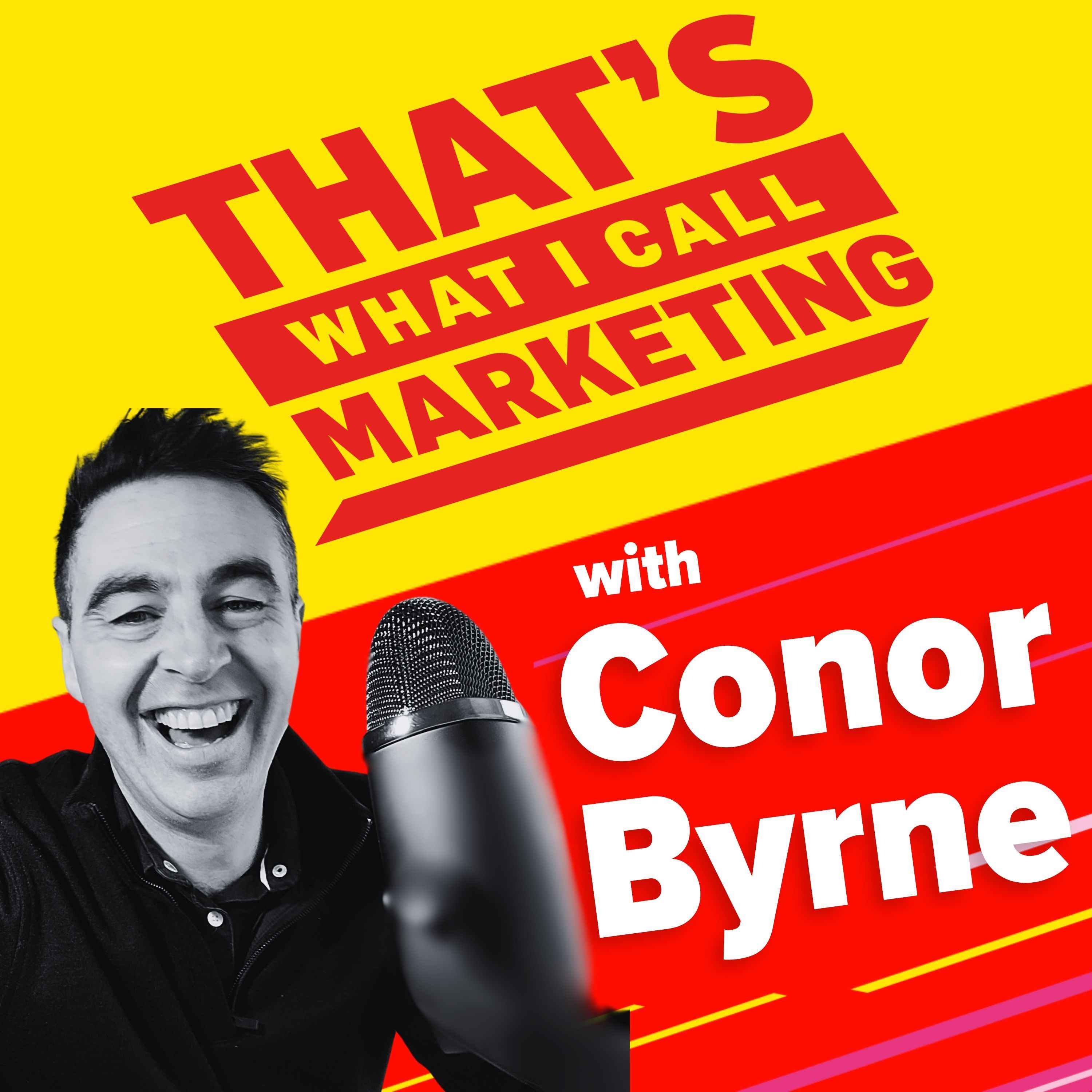
By mid-2026, senior marketers were openly arguing that the profession had drifted away from its strategic base. On That's What I Call Marketing, Alessandro Manfredi said “marketing is first of all, strategic rigor” and warned that teams now spend “very little time in general on brand fundamentals,” even as he described a market where “the communication contest has become crazy,” “the number of messages has exploded,” “Fragmentation of platforms” has intensified, and messaging has shifted to “more 5 seconds than 60 seconds,” dragging down both message quality and differentiation.
That warning hardened into a broader late-2026 consensus that fundamentals, not tactical tinkering, had to retake center stage. On The WARC Podcast, Marc Pritchard said the “fundamentals of brand building” remain enduring even as delivery changes, while October discussions on Marketing School argued “the fundamentals move the metrics more than fine-tuning a campaign” and explicitly noted a veteran shift in mindset: “Neil wouldn’t have said this 15 years ago… he’s still very metric driven… but now he sees the fundamentals,” a sign that restoring strategic discipline had become a leadership priority.


Automation Breeds Sameness
Overreliance on dashboards and AI is making brands indistinguishable, as teams optimize for what’s measurable instead of what makes them unique.
The drift starts when fragmented execution is steered by blunt or pre-decided measurement, so teams optimize what the dashboard can count rather than what makes the brand distinct. As WARC heard, “Which is the boathouse study that's been running for five years… Five years or of more measurement and no improvement… if you've been using the same instrument for five years and it hasn't moved, the only thing you need it to move, then continuing to use it is a decision,” a warning that standardized tools can lock marketers into interchangeable conclusions before strategy is even reconsidered.
Automation compounds that sameness when AI becomes a default production system instead of an aid shaped by human judgment and brand intent. One speaker said that at conferences “almost everyone” raises a hand for using AI, and when asked “how many of you guys actually modify the work” almost everyone still does, but when asked “how many of you guys modify the work more than 10% of the time,” very few remain; paired with WARC’s warning that “when you have a oneh hour meeting with CMOS if 50 to 60% of Your meeting is about a tool… about the process and not about memory structure about brand identity about culture and about insight,” the result is lookalike copy, similar flows, and diluted identity.

Boundaries Build Brand Power
Ralph Lauren’s revival shows that disciplined restraint—knowing when to say no—prevents brands from becoming generic as they scale.
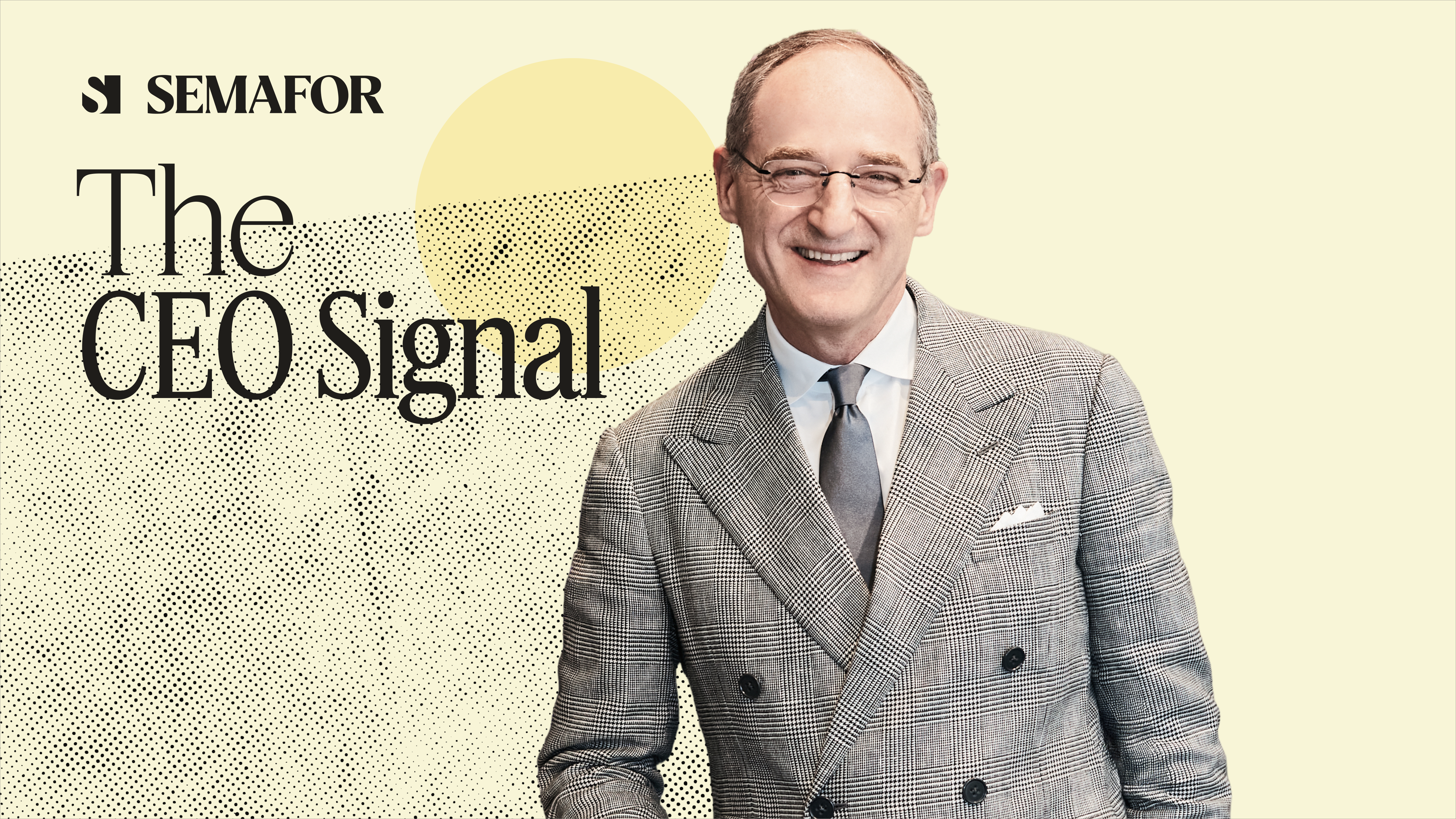
Strong brands do not treat expansion as proof of health; they treat it as a test of whether the core idea can survive contact with new channels and audiences. Semafor reports that Patrice Louvet took over Ralph Lauren when “He took over the iconic American brand in 2017 at a time when it had gone too broad and lost some of its edge,” and his response was to restore the brand’s center by deciding where it belonged, what it should stop doing, and how it could grow without sacrificing the creative “magic” that made it distinctive.
That discipline only works when leaders enforce boundaries that are costly enough to be credible and flexible enough to keep the brand culturally alive. Louvet told Semafor the company “left about $1 billion in revenue on the table” by pulling back from places where “frankly, we weren’t proud of being,” while Fast Company argued that brands stay relevant by “reinterpreting” their DNA for new audiences rather than abandoning it—using a stable core, clear tripwires, and selective adaptation to avoid becoming interchangeable as they scale.



Brand Health Equals Results
Companies that protect brand integrity, like McDonald’s and Ralph Lauren, see direct gains in sales, pricing power, and long-term shareholder value.
The strongest case for brand fundamentals is that, when measured properly, they show up in hard business results rather than vague sentiment. In the 2026 analysis on brand measurement, the speaker cites McDonald’s tracking of “brand love” as emotional positivity and says the company proved that “if our brand love goes up here, our sales comps will go up three to six months later,” while “if it goes down, we can expect a decline three to six months later,” giving CMOs a concrete bridge from brand health to future demand and conversion.
Ralph Lauren offers the operating proof that protecting brand integrity can also restore pricing power and shareholder value. The New York Times reported that after Patrice Louvet became chief executive in 2017, the company “started relying less on heavy discounting and pulled out of lower-tier stores,” and “the company’s share price has risen more than 400 percent” since; “Last fiscal year, Ralph Lauren brought in $8.1 billion in revenue, a 14 percent increase,” and it “recently raised its forecast for sales and profit margins for the current year.”
