Megaseeds take root: AI’s elite soak up capital as VC consolidation squeezes startup diversity
The gist
Seed-stage funding in 2026 is dominated by mega-sized, AI-fueled rounds as venture capital consolidates, squeezing startup diversity and raising the stakes for founders and investors alike.
What to know
- Over half of all early-stage capital now flows into megaseed rounds exceeding $10M, with Mistral AI's €105M raise and Factory's $150M at $1.5B valuation leading the charge.
- Mega-funds like Andreessen Horowitz ($15B) are soaking up a lion’s share of the $20B+ annual VC inflows, while overall seed deal volume drops and access becomes fiercely competitive.
- Founder-VC alignment and cap table savvy are more critical than ever, as both high-conviction partnerships and lean, AI-powered solo founders reshape who gets funded—and who’s left out.
Megaseeds Redefine Early-Stage
Investors are shifting from broad bets to concentrated megaseed rounds, funneling capital into fewer, high-conviction startups and fundamentally altering the risk calculus for founders and VCs alike.
By early 2026, megaseed rounds—those exceeding $10 million—have surged to dominate the seed funding landscape, capturing more than half of all seed-stage capital deployed, as evidenced by Mistral AI’s landmark €105 million raise. This trend underscores a strategic pivot among investors who now prioritize quality, distribution control, and strategic clarity over broad portfolio bets, reflecting a recalibration of startup risk amid fierce AI and SaaS market disruptions. The concentration of capital into fewer, high-conviction deals signals a seismic shift in early-stage venture dynamics, where deep, focused investments replace the once-prevalent scattergun approach.
While megaseed rounds attract the lion’s share of early-stage capital, the overall volume of seed deals continues to decline from its 2022 peak, illustrating a more competitive and concentrated funding environment. This contraction challenges traditional fund structuring and forces both founders and VCs to navigate a landscape where access to capital is increasingly gated by the ability to demonstrate strategic clarity and market differentiation. The dual forces of capital concentration and deal volume decline are reshaping the seed ecosystem, privileging startups that can command megaseed valuations and compelling investors to refine their portfolio discipline.


Alignment Is the New Advantage
Mastery of cap tables and authentic founder-VC alignment—rooted in empathy and strategic timing—has become a decisive edge, separating those who thrive from those left behind in a hyper-competitive funding climate.
In 2026, mastering the intricacies of SAFEs, ASAs, and cap table management has become indispensable for founders striving to secure investment without compromising future shareholder value or fundraising agility. As Spill's CEO and Tiny VC partner Philipp Moehring emphasize, strategic timing—knowing precisely when to take money off the table—is critical to preserving both control and future funding opportunities, especially when balancing traditional venture capital with empowering community investors.
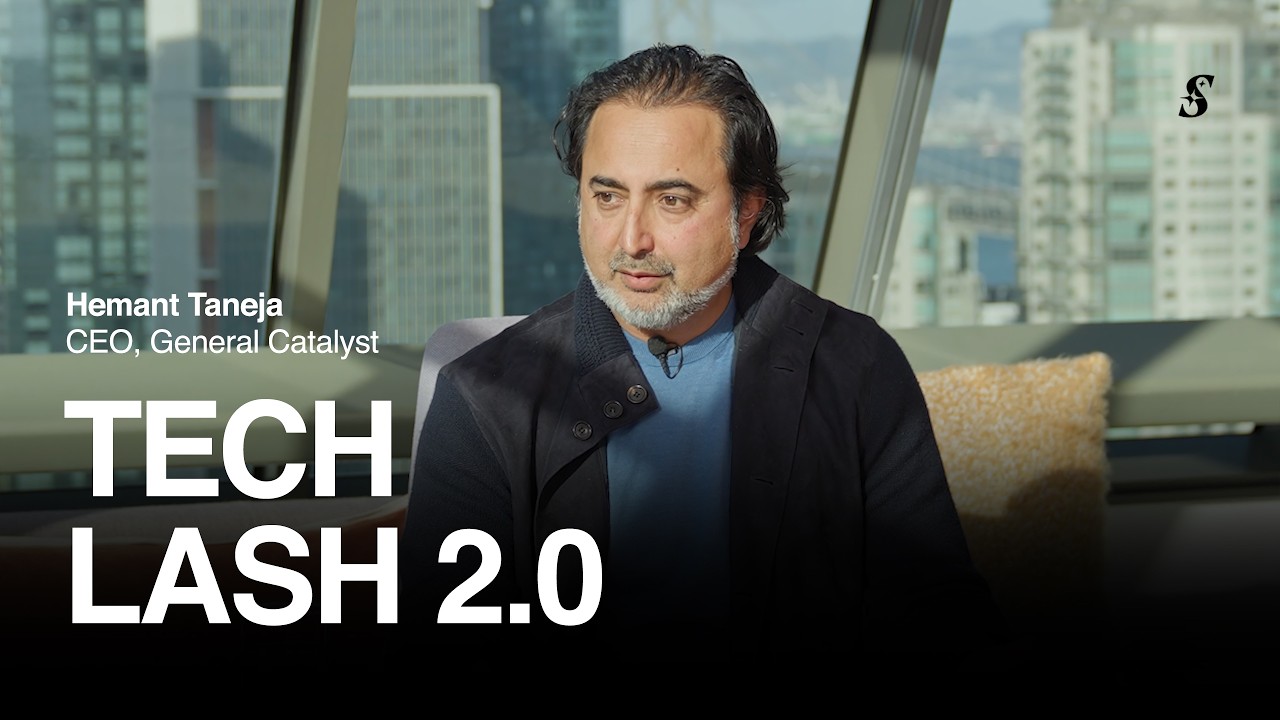
General Catalyst exemplifies a founder-first, values-aligned investment philosophy that transcends seed to late-stage investing by operating as a unified global team rather than segmented regional funds. This approach fosters deep alignment through shared conviction and partnership, with the firm often acting as co-founders to jointly pursue scalable theses, thereby reinforcing trust and collaborative company-building at a time when founder-VC alignment is increasingly fleeting yet essential, particularly in complex sectors like AI.
The evolving founder-VC dynamic in 2026 highlights empathy as a cornerstone of successful alignment, with operator-turned-investors like those described in the Empathy, Independence, and Agency analysis bringing intuitive understanding from lived founder experience. Meanwhile, career VCs compensate for less direct operating background by cultivating mentorship skills, developing specialized 'superpowers' such as talent acquisition, and maintaining high accessibility, thereby earning founders' trust through hands-on support and becoming their first call in critical moments.
Launching a VC fund itself has become an entrepreneurial journey that deepens alignment with founders, as fund founders navigate complex stakeholder ecosystems—founders, LPs, and co-investors—mirroring the multifaceted challenges startups face. This shared entrepreneurial experience fosters greater empathy and agency, enabling career VCs to relate more profoundly to founders’ ups and downs and reinforcing a founder-first investment ethos that prioritizes independence and mutual trust.




AI Startups Widen the Gap
A new elite of AI-driven startups commands outsized valuations while lean solo founders leverage rapid execution and community-building to disrupt the traditional path to early-stage funding.
By 2026, AI-driven startups are creating a bifurcated seed funding landscape where elite companies like Factory, which raised $150M at a $1.5B valuation, and Solidroad, with its $25M Series A, command soaring valuations and reshape venture investing dynamics. However, the majority of founders face a grounded reality that demands disciplined growth, operational excellence, and strategic risk management, especially as AI empowers diverse entrepreneurs to bootstrap sustainable businesses beyond traditional big VC bets.
AI-powered solo founders are rewriting pre-seed investing rules by rapidly shipping MVPs within days, building engaged communities pre-launch, and proving traction before investors even request pitch decks. This lean, founder-driven approach, supported by resources like a16z's Speedrun newsletter, accelerates startup execution and attracts early-stage funding, highlighting AI's growing role in productivity, marketing, and product innovation amid a heated industry race.
Sector-specific growth in AI investment is pronounced in fintech, cybersecurity, and enterprise software, with startups like Artemis rapidly scaling AI-native cybersecurity platforms that replace legacy systems amid an escalating cyber arms race, and Recursive Ventures leading pre-seed investments disrupting financial services, insurance, and real estate. These trends underscore AI’s transformative impact across industries, attracting targeted venture capital and institutional partnerships even at early stages.
Technical underwriting and founder expertise have become critical in evaluating AI startups, as investors like Nicole DeTommaso emphasize the importance of app-layer solutions fine-tuned for industry-specific data and the irreplaceable role of skilled engineers for scaling beyond prototypes. Meanwhile, startups in regions like New Zealand and Australia leverage AI to drive capital efficiency, automate operations, and accelerate geographic expansion with low headcount, demonstrating AI’s dual role in enhancing technical due diligence and operational agility.



VC Gravity Well Threatens Diversity
Mega-funds now dominate venture capital flows, sidelining smaller managers and risking a long-term decline in startup diversity as LPs and GPs wrestle with misaligned expectations and fund structures.
By early 2026, venture capital consolidation has created a 'gravity well' where a handful of mega-funds, such as Andreessen Horowitz's $15 billion multi-vehicle raise, dominate AI and startup investments, fundamentally reshaping fund structuring and LP dynamics. This concentration demands that limited partners adopt highly data-driven beliefs to justify participation, as David's strategic blueprint for growth fund returns illustrates the complex calculus behind sustaining such large funds. However, this centralization risks sidelining smaller seed-stage managers, potentially reducing the number of new startups entering the ecosystem and threatening its long-term vitality.
Despite annual capital inflows exceeding $20 billion, the lion’s share is absorbed by mega-funds, raising concerns about adequate support for the earliest funding stages critical to ecosystem health. While large venture platforms have intermittently stepped into seed funding, their presence offers only short-term relief; the long-term risk remains that consolidation will diminish funding diversity and restrict early-stage startup formation. This scenario underscores the urgent need for smarter fund structuring and an investment philosophy that realistically anticipates losses alongside gains to sustain seed-stage vitality.
The traditional 10-year fund lifecycle is increasingly misaligned with the realities of emerging markets and early-stage investments, where returns often take 7 to 10 years or more to materialize. This mismatch, compounded by LPs’ public market mindsets craving quick liquidity, creates tension with general partners who seek long-term value creation—a partnership dynamic crucial for effective early-stage funding. As one GP noted, misaligned LP expectations can lead to poor investment decisions, highlighting the necessity for LP-GP relationships grounded in patience and true partnership to nurture startup formation and growth.
Secondary funds, while emerging as a potential liquidity source, remain too small and focused on top-tier companies to meaningfully influence early-stage funding diversity or exit options. Their limited scope means they cannot yet offset the risks posed by consolidation, which narrows the funding landscape and may stifle innovation at the seed level. This gap further emphasizes the importance of evolving fund structures that accommodate longer horizons and a broader risk appetite to maintain a healthy pipeline of new ventures.


