Metals mania: gold, silver, and copper surge as dollar dominance wobbles and investors flee to hard assets
The gist
As the US dollar stumbles, investors and central banks are stampeding into gold, silver, and copper—fueling a metals rally not seen since the 1970s and reshaping global markets.
What to know
- Central banks like China and Russia are turbocharging gold and silver purchases as global trust in fiat currencies erodes.
- Silver demand for solar panels alone now eats up 25% of global production, and copper prices have soared 38% by late 2025 amid electrification and AI booms.
- Investors are piling into metals with record portfolio allocations—up to 78% in silver—outpacing crypto and driving talk of a new commodity supercycle.
Fiat Fatigue Fuels Metal Rush
Decades of monetary excess and eroding trust in fiat currencies are forcing central banks and investors into an unprecedented accumulation of gold and silver as core reserves, fundamentally shifting the global financial paradigm.
Currency debasement has evolved from a fleeting market narrative into a secular, multi-decade trend, fundamentally eroding the value of fiat money and investor trust. Decades of fiscal profligacy and aggressive monetary policy—what one analyst described as 'the choices we have made over the last 30 years with borrowed money'—are now manifesting in persistent negative real interest rates and relentless money printing by sovereigns. This environment is compelling both investors and central banks to seek refuge in metals like gold, which are increasingly viewed not as speculative trades but as essential hedges and stores of value against the slow-motion unraveling of fiat currency purchasing power.
The global response to currency debasement and mounting geopolitical tensions has been a marked pivot toward gold, silver, and, to a lesser extent, Bitcoin, as strategic reserves and safe havens. Central banks—most notably in China and Russia—have accelerated gold purchases to diversify away from the US dollar, while Russia’s unprecedented move to add $535 million in silver to its reserves signals a new era of metals accumulation. This trend is reinforced by surging ETF inflows, a 73% gain in gold prices in 2025, and a growing divide between 'dollar loyalists' and de-dollarising economies, all seeking insurance against financial weaponization and reserve risk.
Metals are not only benefiting from monetary and geopolitical anxieties but are also riding powerful structural demand waves, particularly in the case of silver and copper. Silver’s dual role as both a monetary and industrial asset is underscored by its critical importance in solar panel production and the AI-driven energy transition, with industrial demand now permanently removing silver from circulation and intensifying supply constraints. Meanwhile, copper’s ascent is fueled by long-term investments in electrification and digital infrastructure, further reinforcing the case for tangible assets as the world’s faith in paper money and digital promises wanes.
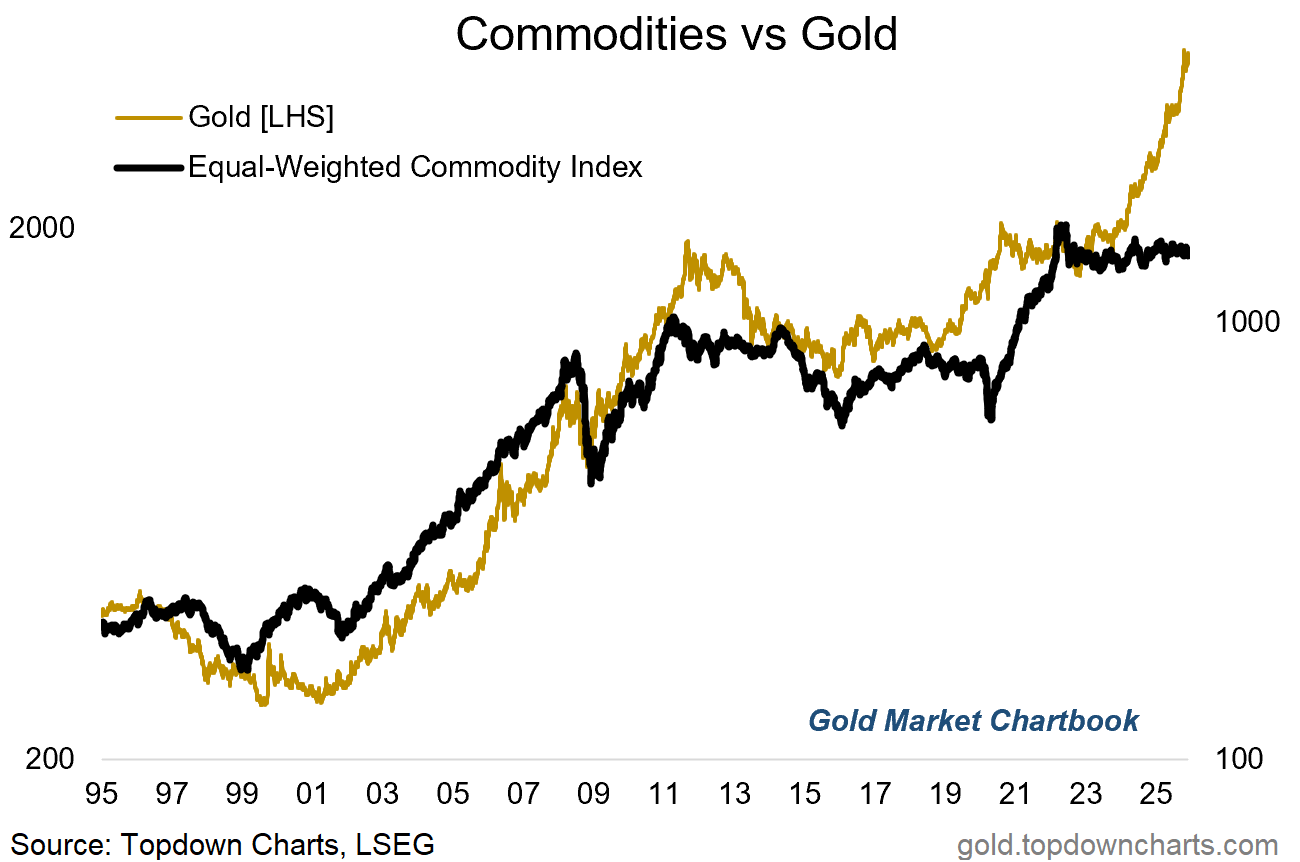
Despite gold and other commodities remaining underrepresented in most portfolios, the current rally in metals signals the early innings of a broader commodity supercycle reminiscent of the 1970s. This cycle is marked by high inflation, fiscal dominance, and geopolitical instability, with technical indicators and surging commodity fund flows pointing to a cyclical bull market in real assets. As VanEck’s Eric Fine projects gold could reach $39,000 per ounce if the dollar loses reserve status, and Congressional Budget Office projections suggest gold could hit $25,000 by 2050, the strategic imperative for metals exposure is only intensifying as the dollar’s dominance faces unprecedented challenges.






Portfolio Shake-Up: Silver Soars
Industrial demand and new investment vehicles are driving silver allocations to record highs, with sophisticated hedging strategies reflecting a dramatic pivot from traditional assets to metals and mining equities.
Investors are increasingly constructing portfolios that balance exposure to precious metals—particularly silver and gold—with sophisticated downside protection, reflecting a nuanced response to persistent monetary inflation and mounting fiscal deficits. By late 2025, allocations to silver and gold had surged (with some portfolios holding 78% silver and 46% gold), while large short positions in credit and equities provided a hedge against market downturns. This dual approach is underpinned by the view that metals like silver, buoyed by industrial demand from sectors such as solar and AI infrastructure, offer significant upside, while options strategies—such as call spreads and butterflies—allow investors to manage tail risk and volatility, as evidenced by implied volatilities on out-of-the-money silver calls reaching 50-70%.
The surge in demand for silver is not only driven by its traditional role as a safe haven but also by accelerating industrial consumption and emerging investment vehicles like tokenized metals. In 2024, solar panels alone consumed a quarter of global silver production, while new platforms such as Denario are democratizing access through tokenization, reducing barriers like storage and insurance for retail investors. This trend is reinforced by central bank moves—most notably the Russian central bank's $535 million commitment to silver reserves—which investors see as a potential catalyst for a global race to accumulate physical silver, further tightening supply and fueling bullish sentiment.
While gold and silver continue to attract inflows as hedges against currency debasement and inflation, investors are also recalibrating their approach to market cycles and alternative assets. Contrary to the popular belief in a four-year Bitcoin halving cycle, recent analysis suggests that crypto asset cycles align more closely with five- to six-year debt refinancing cycles, prompting a more strategic allocation between Bitcoin and gold as complementary inflation hedges. At the same time, there is a notable shift from direct metal holdings to mining equities, with analysts like Jesse Colombo predicting that miners—after a period of underperformance—are poised to outperform the metals themselves due to leveraged exposure and changing market dynamics.
By early 2026, the metals narrative has eclipsed crypto in the eyes of many investors and advisors, with client inquiries about gold and silver reaching record highs amid fears of fiscal instability and currency debasement. Advisors like David Royal emphasize the importance of tailored diversification—suggesting commodity stocks, REITs, and private equity as part of a broader inflation-hedging strategy—while also noting a marked increase in retail demand for metals over crypto. Platforms such as Uphold are facilitating this shift by offering integrated access to commodities, crypto, and fiat, enabling investors to nimbly reallocate and manage liquidity as market conditions evolve.



Copper & Nickel: Powering the Future
Explosive growth in electrification and AI has transformed copper and nickel into strategic assets, with copper’s supply crunch and nickel’s battery relevance redrawing the map for industrial metal demand and geopolitics.
The electrification megatrend is fundamentally reshaping industrial demand for metals, with copper and nickel at the epicenter of this transformation. By late 2025, copper prices had surged 38%, reflecting its critical role in electric vehicles, grid upgrades, and the rapid buildout of AI infrastructure—trends that Citi projects could push copper to $15,000 per ton by Q2 2026. This demand is not just cyclical but structural: a new report in early 2026 forecasts a 25% supply-demand gap for copper by 2040, as global electrification, reshoring, defense spending, and even the robotics industry intensify consumption, while supply struggles with ore quality and resource concentration. The White House has underscored copper’s strategic importance, calling it essential to both national and economic security, and the second most widely used material by the Department of Defense.
Nickel, meanwhile, is emerging as a critical investment theme despite current oversupply, driven by its indispensable role in long-range electric vehicle batteries and its strategic importance in the global battery supply chain. China’s dominance over both supply and demand—particularly through Indonesian nickel—adds a geopolitical layer to the investment calculus, especially as Western manufacturers seek to reduce reliance on cobalt and non-China sources. As the world pivots toward electrification and battery technologies evolve, nickel’s relevance is set to grow, making it a focal point for investors navigating the intersection of technology, geopolitics, and resource security.
The metals rally of late 2025 and early 2026 signals a broader shift in investor psychology toward tangible, productive assets—contrasting sharply with the speculative fervor around digital assets like Bitcoin. As industrial demand for copper and silver rivals or even surpasses investment demand, these metals are increasingly viewed as barometers of real economic activity and infrastructure investment. Notably, historical patterns suggest that copper rallies have preceded major Bitcoin cycles, hinting that copper demand could serve as a leading indicator for broader economic and liquidity trends, especially as the new economy pivots away from legacy sectors toward those requiring vast quantities of industrial metals.


Commodities as Core Holdings
A new era of metals investing is underway, as gold, silver, and copper outpace crypto and bonds amid surging demand, heightened volatility, and a fundamental shift toward tangible assets in diversified portfolios.
The metals market is undergoing a profound transformation as safe-haven demand, speculative flows, and evolving industrial needs converge to reshape portfolio strategies. Throughout late 2025 and into 2026, gold, silver, and copper have surged—gold up 73%, silver 145%, and copper 38%—driven by a cocktail of central bank buying, ETF inflows, and geopolitical instability, from Venezuela to the Middle East. This rally is not merely a flight to safety; it reflects a growing distrust in fiat currencies and government debt, as well as a fundamental shift in investor preference toward tangible assets, with silver and copper increasingly valued for their roles in electrification and AI infrastructure, and silver even exhibiting Veblen good dynamics as rising prices stoke further demand.
Speculative flows and market volatility are intensifying across metals, with commodity fund inflows and technical signals—such as the GSCI Light Energy Index’s 200-day moving average turning up—suggesting the early innings of a new commodity supercycle reminiscent of the 1970s. Options markets are pricing in significant upside tail risk, especially for silver, where at-the-money volatility has jumped from 27% to 43% year-over-year and out-of-the-money calls imply 50–70% volatility. However, this exuberance comes with heightened risks: rapid price swings, as seen in silver’s whiplash from $80 to $75 in a day, and the need for disciplined portfolio management, with recommendations ranging from 5–15% metals allocation and a focus on miners with robust fundamentals.
The evolving role of metals in diversified portfolios is increasingly nuanced, as investors grapple with both macroeconomic headwinds and structural market shifts. While gold and silver remain the primary safe-haven assets amid inflation and political turmoil—outpacing crypto in investor interest by early 2026—copper is emerging as a cornerstone for portfolios due to its critical role in electrification, defense, and AI-driven manufacturing, with a projected 25% supply-demand gap by 2040. Meanwhile, nickel’s strategic importance is being reassessed in light of oversupply, shifting battery technologies, and geopolitical tensions, underscoring the need for a broader, more flexible approach to commodity exposure beyond traditional precious metals.
Market manipulation concerns and policy interventions continue to distort traditional price signals, complicating the metals investment landscape. Government actions—such as long-term mortgage incentives and labor market interventions—are suppressing necessary inflation in skilled trades, undermining industrial reshoring and infrastructure development, while persistent premiums for silver in China and structural factors like index rebalancing further fragment global pricing. As a result, metals like silver are gaining structurally higher weightings in portfolios, but investors must recognize that these markets are not monolithic; as with oil, silver’s price reflects a patchwork of regional and functional markets, demanding a sophisticated approach to risk assessment and allocation.