Meta’s smart glasses face uproar over privacy, AI data use
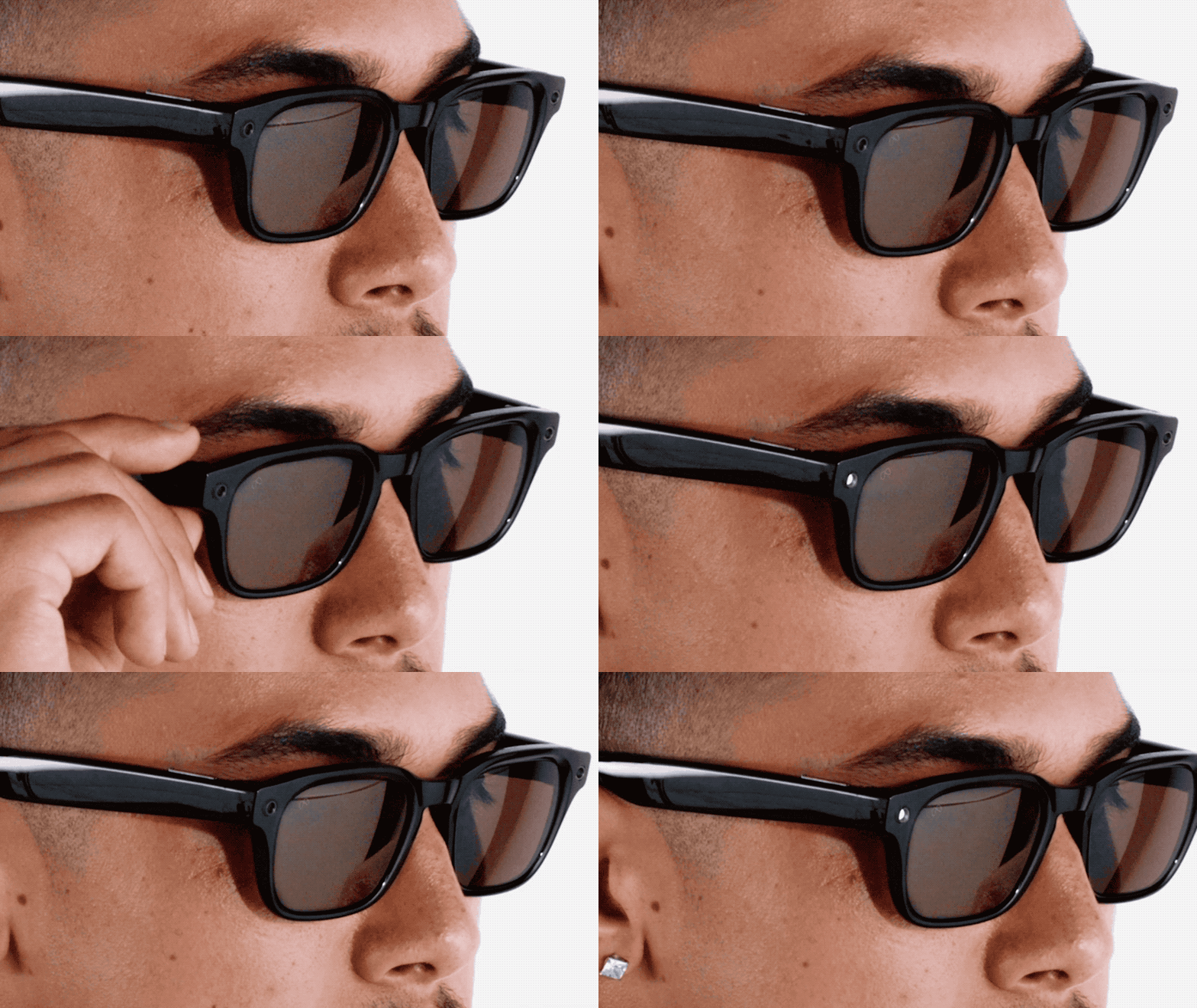
The gist
Meta’s Ray-Ban smart glasses are caught in a fierce privacy firestorm as new anti-spy updates battle hacks, legal scrutiny, and public distrust over relentless AI data collection.
What to know
- A fresh firmware update disables the glasses’ camera if the privacy LED is tampered with, but users are already dodging it with light-blocking stickers.
- The glasses default to scooping up user images and audio for AI training—sometimes reviewed by third parties—fueling legal and ethical alarms from New York to Texas.
- Social stigma and privacy fears run high, with many owners refusing to wear the glasses in public to avoid being labeled ‘creepy’ or sparking unwanted controversy.
The Cat-and-Mouse of Covert Recording
Meta’s privacy safeguards are being outpaced by a surge in physical hacks and black-market accessories that enable secret recordings, exposing the limits of technical fixes in the face of user ingenuity and hidden agendas.
Meta has proactively enhanced the privacy safeguards of its Ray-Ban smart glasses by rolling out a firmware update that automatically disables the camera if the privacy LED—designed to indicate recording—is tampered with or destroyed. This measure directly responds to concerns about covert recording, as some users had employed tape or other methods to obscure the LED, effectively circumventing the glasses’ built-in transparency features and raising significant privacy alarms.
Despite these firmware-based anti-tampering measures, a persistent cat-and-mouse dynamic has emerged, with a burgeoning market for physical workarounds such as light-blocking stickers that obscure the recording LED without damaging it. These accessories evade Meta’s detection systems because they do not physically break the LED, allowing covert recording to continue undetected and complicating Meta’s enforcement of its privacy policies.
Meta’s ongoing efforts to counteract these physical circumventions—including removing ads and listings for LED-blocking products—highlight the inherent challenges in balancing the innovative capabilities of camera-enabled AR glasses with the imperative to protect user privacy. The company acknowledges that some users harbor 'hidden agendas' to record without consent, often targeting vulnerable groups, which underscores the reactive nature of these safeguards and the complex ethical terrain Meta must navigate.





AI Data Dilemmas and Human Review
Meta’s AI glasses quietly funnel user images and audio—including sensitive moments—to third-party contractors for review, heightening legal and ethical scrutiny over consent, transparency, and the real-world risks of AI training.
Meta's AI-powered face recognition feature, Nametag, is designed to operate locally on devices by encrypting data to identify only known individuals within a user's Facebook graph, aiming to avoid centralized facial databases. This approach seeks to assist users with disabilities, such as blind or low-vision individuals and veterans with traumatic brain injuries, by providing contextual recognition; however, it faces legal and privacy challenges, especially in jurisdictions with strict biometric laws like Illinois's BIPA and Texas's Cuba law. Meanwhile, Meta's internal use of employee data to train AI models has been paused amid privacy concerns, underscoring the persistent tension between advancing AI capabilities and respecting privacy boundaries.
Despite Meta's privacy safeguards, including disabling cameras if privacy LEDs are tampered with, the company's AI glasses collect extensive user images and audio to train AI systems, often by default unless users opt out. This pervasive data collection strategy, which includes plans to deactivate LED indicators during certain AI sensing features, has sparked significant privacy concerns and legal scrutiny, as it diminishes transparency and user awareness. Critics argue that Meta treats consent and privacy as mere obstacles to be optimized around rather than fundamental rights, fostering a trust deficit that threatens user adoption of these AI-enabled products.
A particularly contentious aspect of Meta's AI data practices is the involvement of third-party contractors who review and label images and content captured by Ray-Ban Meta glasses to improve AI experiences. While Meta claims to filter data to protect privacy and prevent identifying information from being reviewed, reports reveal that contractors have accessed highly sensitive footage, often without users’ knowledge, exacerbating fears about data misuse and surveillance. This human review process complicates the tradeoff between the accessibility benefits AI features provide—especially for disabled users—and the erosion of privacy and trust among all users and those around them.
Meta's broader strategy appears to normalize ubiquitous data collection to the point where users feel resigned to constant surveillance, with executives openly planning to make AI sensing features less visible by disabling LED indicators. This shift challenges traditional privacy norms by embedding continuous image and audio capture into everyday devices, effectively blurring the line between innovation and intrusive monitoring. As one analyst notes, while AI's utility grows with access to comprehensive personal data, it simultaneously 'assassinates privacy for everyone around you,' highlighting the ethical and social dilemmas Meta must navigate.


Social Stigma and Surveillance Anxiety
Widespread distrust and the fear of being labeled a 'creep' have turned Meta’s smart glasses into social liabilities, with owners self-censoring use and facing backlash even in private spaces.
Meta's Ray-Ban smart glasses have sparked significant social backlash rooted in privacy fears and the stigma of being perceived as intrusive or predatory. Users like Florida-based creator Danielle have relegated the glasses to mere "fancy paper weights" amid reports of contractors reviewing intimate footage and men allegedly using the device to harass women, fueling public distrust. This discomfort extends to everyday social interactions, with users such as Martino Wong deliberately folding and displaying the glasses to signal they are not recording, highlighting heightened sensitivity around privacy in public spaces.
The social acceptability of wearing camera-equipped smart glasses remains fraught with anxiety and situational awkwardness, as users grapple with the implications of having a recording device visibly attached to their face. Videographer Christian Eisenbarth avoids using the glasses outside his home to escape being labeled a "creep," while others, like Will Kujawa, reconsider purchases after encountering harsh online criticism branding wearers as predators. This pervasive fear of social judgment forces users to carefully evaluate when and where to wear the glasses, with some expressing discomfort in private or sensitive settings, such as public restrooms, where the presence of a camera feels inherently inappropriate.
Beyond individual social discomfort, there is widespread distrust toward both the wearers and the companies behind these devices, intensifying the backlash against Meta’s smart glasses. Users voice concerns about covert recording and unauthorized data sharing, fearing that footage could be accessed by third-party contractors or telemetry analysts without consent. This mistrust extends into private spaces, with some users adamantly refusing to allow the glasses inside their homes, underscoring the broader societal unease about wearable cameras and the practical challenges they pose—such as the expectation to remove glasses before entering private rooms, which may ultimately hinder mainstream adoption.
Legal Gray Zones and Workplace Risks
Patchwork laws, ethical blind spots, and lack of clear workplace rules leave employees and bystanders exposed to unauthorized recording and biometric data misuse as smart glasses enter professional and public life.
Meta's always-on AI glasses have thrust legal and workplace privacy concerns into the spotlight, as exemplified by New York State's ban on recording-capable eyewear in courtrooms and Massachusetts' strict consent laws for video recording, underscoring the patchwork of jurisdictional regulations complicating device use. Experts like Robert Ambrogi highlight that while audio recording may be permissible without consent in some areas, video recording is often illegal, creating a complex legal landscape for employers and employees navigating these new technologies. This regulatory ambiguity demands updated laws and clearer workplace policies to address the nuances of biometric data collection and unauthorized recording.
Ethical debates around Meta's smart glasses intensify due to the default use of Instagram images for AI training without explicit user consent, raising alarms about biometric data exploitation and transparency. As Victor Li and Stephen Embry caution, the potential for covert data capture—ranging from personal biometrics to continuous location tracking—poses profound privacy risks, especially when privacy indicators and consent mechanisms are insufficient or easily bypassed. This ethical tension is compounded by the lack of societal norms and workplace guidelines, leaving users and bystanders vulnerable to unconsented surveillance in both public and professional environments.
The workplace integration of AI-enabled smart glasses, such as those from Meta and Snap, reveals significant gaps in organizational policies governing the use of personal recording devices during sensitive business interactions. A senior executive's experience attending meetings with such glasses underscores the urgent need for companies to establish clear rules to prevent covert recording and protect confidential information. Meanwhile, regulatory bodies like the US White House are increasingly engaging with AI privacy issues, signaling a forthcoming wave of legal and ethical standards aimed at balancing innovation with user trust and privacy rights.