Microsoft supercharges copilot with GPT-5.6, puts AI governance and CRM integration in the spotlight
The gist
Microsoft’s Copilot just leveled up with GPT-5.6, turbocharging enterprise productivity while putting airtight AI governance and CRM integration front and center.
What to know
- Copilot now features GPT-5.6, bringing sharper multi-step reasoning, offline automation, and higher-quality outputs to Word, Excel, and PowerPoint.
- A new multi-model AI governance framework lets enterprises toggle between models like GPT-5.5 and Anthropic’s Claude Sonnet 5 to match security and compliance needs.
- Copilot Cowork’s deep integration with Dynamics 365 and Dataverse enables seamless CRM workflows and advanced automation—with human-in-the-loop controls and strict data permissions.
GPT-5.6: Automation Unleashed
Microsoft’s GPT-5.6 powers persistent, multi-agent automation and seamless app integrations, transforming productivity across the Microsoft 365 ecosystem while slashing operational costs.
The integration of GPT-5.6 into Microsoft 365 Copilot and related AI tools marks a significant leap in multi-step reasoning and output quality, enabling deeper analysis and more accurate content generation without sacrificing processing speed. Satya Nadella highlighted how GPT-5.6 powers Copilot Chat, M365, GitHub, and Foundry, enhancing productivity apps such as Word, Excel, and PowerPoint by producing higher-quality work with fewer prompts and greater token efficiency. This advancement supports complex, agentic workflows that break down tasks into sequential actions, improving outcomes especially in data-heavy industries.
GPT-5.6 also fuels new automation capabilities across Microsoft platforms through ChatGPT Work, which autonomously manages multi-step projects by pulling context from apps, files, and workflows to generate polished documents, spreadsheets, presentations, and reports. This persistent automation, enabled by Scheduled Tasks, allows updates and distribution of outputs even when users are offline, streamlining collaboration and reducing manual coordination. Moreover, Ultra Mode leverages GPT-5.6 to coordinate multiple AI agents in parallel, tackling complex enterprise workloads with enhanced efficiency.
Seamless interoperability is a cornerstone of GPT-5.6’s integration, with plugins connecting Microsoft 365 Copilot to a broad ecosystem including Slack, Microsoft Teams, Google Drive, SharePoint, CRM systems, and project management tools. This unified approach consolidates chat, work, and coding functionalities within a single interface, boosting automation and productivity across diverse business applications. By accessing GPT-5.6 both natively and via the OpenAI API, Microsoft ensures scalable, cost-effective AI-powered experiences that reduce token usage and operational costs while maintaining superior output quality.
AI Governance Gets Granular
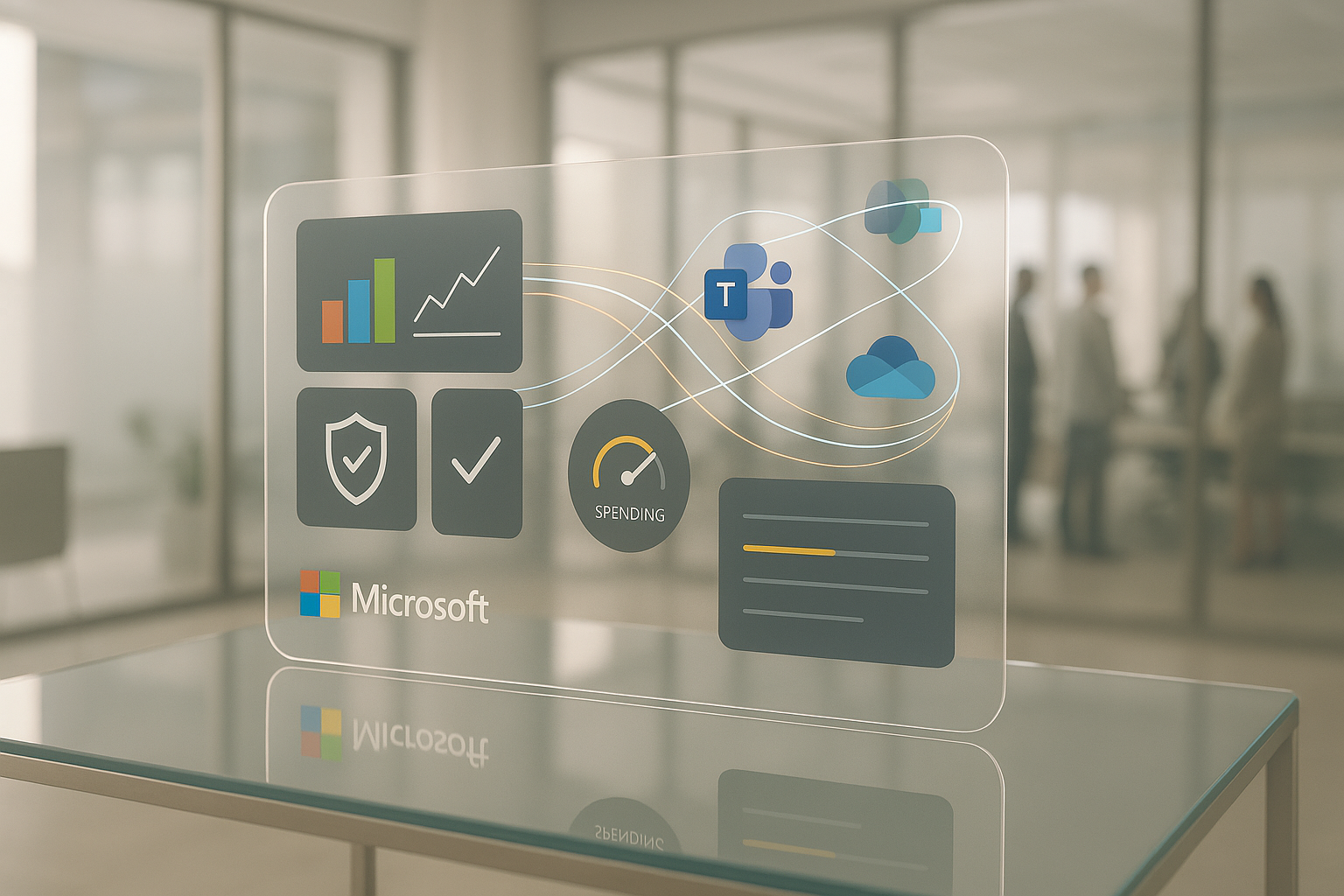
Enterprises now control which AI models handle which tasks, with Microsoft’s unified Copilot platform demanding rigorous identity, data, and permission management to safely scale automation.
Microsoft’s integration of multiple AI models, including Anthropic’s Claude Sonnet 5 alongside GPT 5.5 and others, into Microsoft 365 Copilot marks a significant advance in enterprise governance by empowering administrators to tailor model selection based on organizational policies and task-specific requirements. This multi-model environment necessitates sophisticated governance frameworks that provide visibility into per-model usage, costs, and failure modes, ensuring secure, compliant deployment within complex workflows. As organizations weigh factors like output quality, latency, and data-handling postures, the ability to toggle models such as the Anthropic family on or off becomes a critical lever for balancing innovation with risk management.
The consolidation of consumer and enterprise Copilot apps into a unified platform aims to streamline deployment and governance but introduces new challenges around identity controls, data access permissions, and billing telemetry, especially with the introduction of paid always-on AutoPilot agents. Enterprise administrators must rigorously evaluate which identities, tenant data, connectors, and third-party plugins these agents can access to mitigate risks and maintain operational readiness. Complementing this, Microsoft’s $2.5 billion Frontier Company consultancy, staffed with 6,000 experts, exemplifies the strategic emphasis on pairing product consolidation with services that help enterprises transition from AI pilots to fully governed, production-ready workflows.
Effective enterprise governance for Copilot and AI agents hinges on thorough preparation of data permissions and governance frameworks before deployment, as these tools inherit the access rights of individual users. Without robust role-based permissions, data classification, and audit trails, organizations risk unauthorized data exposure and compliance breaches. As one analysis notes, many AI agent projects falter not due to model limitations but because of weak risk controls and unclear value propositions. Ultimately, the readiness of data and permissions infrastructure is the decisive factor in enabling Copilot’s multi-step reasoning and automation capabilities to safely and effectively transform enterprise productivity.
CRM Workflows, Supercharged by AI
Copilot Cowork’s deep Dynamics 365 and Dataverse integration enables AI-driven sales and service workflows with human-in-the-loop controls, unlocking next-level productivity without sacrificing governance.
Copilot Cowork’s integration with Dynamics 365 Sales and Customer Service marks a significant evolution in how sales and service teams coordinate complex workflows across multiple systems. By embedding Dynamics 365 data and actions directly into the Microsoft 365 Copilot experience, it streamlines multi-step processes such as account preparation and case triage, reducing manual context gathering from emails, CRM records, and meetings. This seamless orchestration reflects real-world workflows while maintaining strict enterprise governance, as all AI-driven actions are grounded in existing records, permissions, and require human approval before updating CRM data, ensuring compliance and control remain paramount.
The expansion of Copilot Cowork raises critical governance considerations around data access, AI recommendation accuracy, and operational logic ownership, aligning closely with Microsoft’s broader governance frameworks for Microsoft 365 and Dynamics 365. Sales and service leaders must now rigorously define who can access sensitive CRM data through Copilot Cowork and establish review protocols for AI-generated actions to safeguard data integrity and trust. This governance emphasis underscores Microsoft’s commitment to responsible AI deployment in enterprise environments, balancing automation benefits with necessary human oversight.
The powerful synergy between Copilot Cowork, Work IQ, and Dataverse is transforming customer engagement by enabling AI to access both structured and conversational data, thereby enhancing the depth and relevance of AI-driven insights. As demonstrated by the Atlanta Falcons’ rapid adoption, this integration facilitates advanced data extraction and automation that can dazzle customers and optimize employee workflows alike. With Work IQ feeding rich data into Dataverse, Microsoft Copilot becomes a more effective assistant, unlocking new opportunities for human-in-the-loop automation that elevate both internal productivity and external customer experiences.
