Most tech layoffs aren’t really about AI
The gist
Despite the hype, less than 5% of tech layoffs in 2025-2026 are directly caused by AI—economic pressures and pandemic overhiring are doing the real damage.
What to know
- Tech giants like Meta and Microsoft are slashing tens of thousands of repetitive roles while pouring tens of billions into AI infrastructure and product development.
- Companies such as IKEA and IBM are upskilling and redeploying employees—with IKEA transforming 8,500 call agents into interior design consultants, adding €1.3 billion in new revenue.
- Regulators are cracking down on 'AI washing': New York State’s disclosure law targets companies that blame layoffs on AI to hide deeper financial issues.
AI Layoffs: Myth vs. Reality
Tech companies routinely cite AI as a layoff driver, but data shows economic pressures and strategic pivots—not automation—are the real forces behind most job cuts.
Attributing tech layoffs directly to AI adoption remains a complex and contested issue, as companies often enact workforce reductions with the hope that AI can eventually replace displaced roles, even if current AI-driven automation is limited. This dynamic is exemplified by firms like Accenture and Klarna, which have laid off employees either unable to be upskilled for AI integration or whose roles were automated, while Meta has cut AI R&D staff focusing on less strategic AI themes. The rapid pace of AI adoption compresses retraining windows and labor market adjustments, creating acute economic and social disruptions that complicate straightforward causal attribution.
The narrative framing layoffs as AI-driven often serves as a strategic communication tool masking deeper economic realities such as pandemic-era overhiring and macroeconomic headwinds. For instance, Block’s 40% workforce reduction in early 2026 was linked both to bloated headcount from the zero interest rate policy (ZIRP) hiring spree and emerging AI efficiencies, with Jack Dorsey explicitly citing AI despite strong business metrics. Similarly, Meta’s massive layoffs—up to 16,000 employees—reflect a strategic pivot to fund a $135 billion AI infrastructure investment, underscoring how economic pressures and capital expenditure priorities intertwine with AI adoption in workforce decisions.
Despite AI being the top cited reason for many 2026 tech layoffs, data and expert analysis reveal that AI accounts for fewer than 5% of job cuts when examined closely, with economic turbulence, pandemic overhiring corrections, and capital expenditure offsets playing dominant roles. Reports from Goldman Sachs and the Brookings Institution find no meaningful correlation between AI exposure and job losses, wages, or hiring trends, while companies like Oracle and Meta use AI-related layoffs partly to manage cash flow and fund costly AI infrastructure build-outs. This has led to accusations of 'AI washing,' where AI is leveraged as a palatable cover story to investors and media, rather than reflecting immediate productivity gains or direct workforce displacement.
The interplay of pandemic overhiring, economic slowdown, and AI adoption has created a 'perfect storm' driving significant tech workforce restructuring, but current evidence suggests AI’s direct impact on layoffs remains limited and often conflated with broader market trends. Legislative efforts like New York State’s disclosure requirements aim to increase transparency, yet companies including Cisco, IBM, Salesforce, and Uber continue to cite AI as a convenient explanation amid complex economic factors. Experts caution that automating away human workers is still very difficult, and measurable labor market impacts from AI remain elusive, highlighting the need for nuanced understanding beyond simplistic AI-driven layoff narratives.






AI Reshapes, Not Replaces
Industry leaders are slashing repetitive roles while investing billions in AI infrastructure and simultaneously retraining or redeploying employees to unlock new value.
By early 2026, leading tech giants like Microsoft and Meta exemplify a strategic pivot toward AI-centric business models that balance efficiency gains with workforce transformation. Microsoft’s $80 billion investment in AI infrastructure coincides with targeted cuts of up to 20,000 roles focused on automatable tasks such as repetitive sales outreach and basic customer service, while simultaneously expanding positions that build and manage AI systems. Similarly, Meta’s layoffs reflect a disciplined approach to trimming overhiring and reallocating resources toward AI product development and data centers, with cost savings in the high single-digit to low double-digit billions annually being reinvested to sustain AI innovation and maintain margin discipline.
Rather than viewing AI solely as a headcount reduction tool, many companies emphasize upskilling and redeployment to harness AI’s productivity benefits while preserving workforce stability. Organizations like Bank of America and Booking.com prioritize internal mobility and continuous AI literacy training, filling nearly half of open roles internally and preparing employees for evolving job demands. This human-first approach, echoed by Callan’s CEO Greg Allen and IBM’s Arvind Krishna, focuses on augmenting human judgment and creativity, with IBM reporting a 40% productivity boost among software developers and tripled entry-level hiring, underscoring that AI integration can coincide with net job growth in value-creating roles.
Successful AI integration often hinges on redeploying employees from automatable tasks to uniquely human roles that add new value, as demonstrated by IKEA’s innovative transformation of call center staff into interior design consultants. By automating 47% of calls with AI agents like Billie, IKEA retrained 8,500 employees, generating an additional €1.3 billion in revenue and turning customer service from a cost center into a profit-driving business unit. This model highlights how leveraging existing employees’ company knowledge and culture fit, rather than resorting to layoffs, can create sustainable growth through human-AI collaboration and talent redeployment.
Across industries, companies adopt nuanced AI strategies that blend automation with workforce redeployment and continuous learning to maintain culture and enhance productivity. C.H. Robinson applies Lean principles to automate routine logistics tasks while shifting employees 'up the value stack,' and Globe empowers over 80% of its workforce with AI tools alongside comprehensive training, resulting in significant productivity gains. Meanwhile, firms like Noam AI and HLIB deploy AI concierge and specialized AI agents to handle repetitive support and technical functions, enabling staff to focus on strategic and complex tasks without layoffs. These approaches underscore that sustainable AI adoption is less about cutting costs and more about creating value through human-AI collaboration and thoughtful talent management.


Big Tech’s Costly AI Pivot
Microsoft and Meta are cutting tens of thousands of jobs to fund massive AI investments, while firms like IKEA and IBM prove that workforce transformation can mean redeployment, not just layoffs.
By early 2026, major tech giants like Microsoft and Meta were aggressively restructuring their workforces to pivot toward AI-first operating models, with Microsoft planning to cut nearly 20,000 jobs—about 10% of its global staff—to fund over $80 billion in AI infrastructure. This trend was emblematic of a broader industry shift, as the tech sector shed over 100,000 jobs in 2025 alone, including significant layoffs at Amazon, Intel, and Salesforce, driven not merely by cost-cutting but by a fundamental reevaluation of roles in light of AI's efficiency in automating repetitive tasks across departments such as Azure cloud and sales teams.
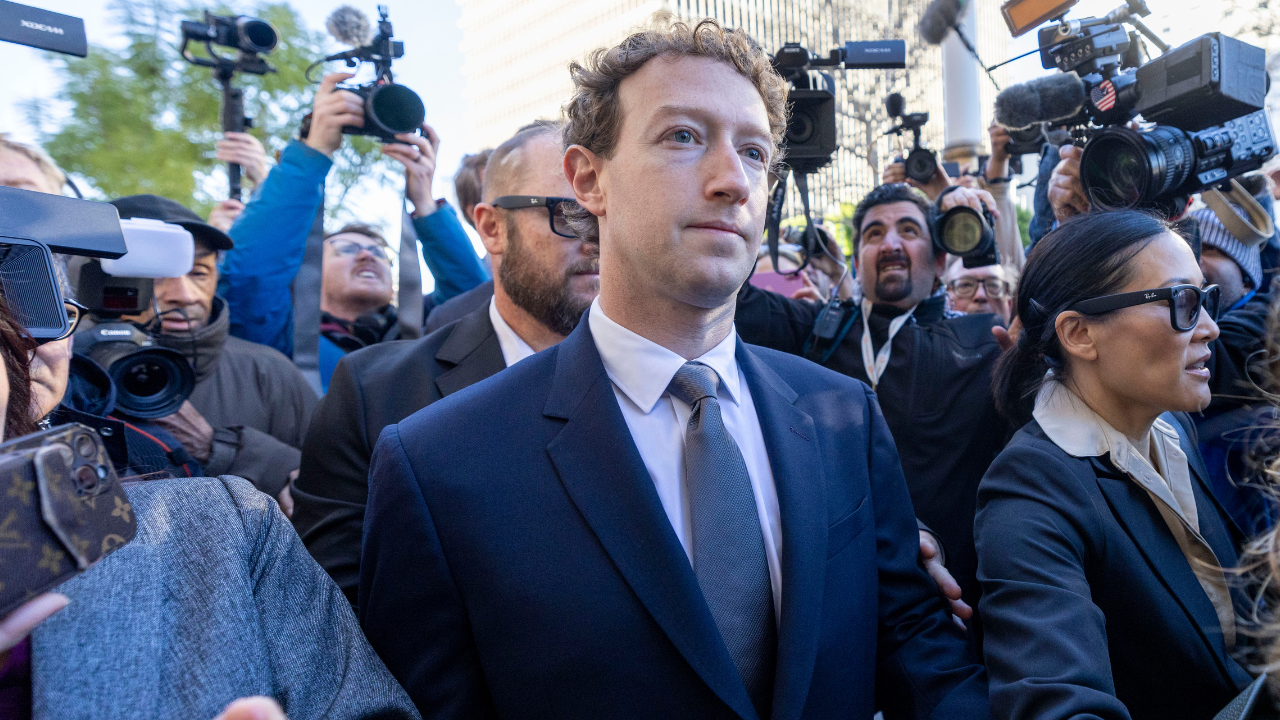
Meta’s workforce reductions, reaching up to 16,000 layoffs or roughly 20% of its staff by mid-2026, illustrate a strategic pivot away from metaverse ambitions toward massive AI infrastructure investments totaling $135 billion. These cuts disproportionately affected Reality Labs and metaverse projects, with the company reallocating employees into AI-related roles and canceling planned hires, reflecting CEO Mark Zuckerberg’s bold AI vision that includes rebuilding teams with top talent and leveraging Meta’s vast data centers and user base to accelerate AI consumer experiences, even amid controversial practices like internal employee screen recording for AI training.
Contrasting with the large-scale layoffs at Microsoft and Meta, companies like IKEA and IBM demonstrate alternative AI workforce transformations that emphasize augmentation over replacement. IKEA’s AI handled nearly half of customer calls, enabling the repurposing of 8,500 call center agents into interior design consultants, which generated an additional €1.3 billion in revenue and preserved institutional knowledge. Similarly, IBM deployed AI tools that automated routine HR and IT inquiries without layoffs, instead reinvesting savings to expand its engineering and sales teams, underscoring a human-centric approach where AI amplifies employee capabilities rather than displaces them.
Emerging AI concierge technologies, as seen with Noam AI, further highlight how automation can reduce repetitive support tasks by over 90% without triggering layoffs, instead enabling companies to redeploy human staff into higher-value roles such as operations and customer success. Rapid deployment capabilities and tangible revenue uplifts—like BNSN AI’s $20,000 organic traffic revenue gain in three months—illustrate AI’s potential to enhance employee satisfaction and operational efficiency, marking a growing industry recognition that AI-driven workforce transformations can balance automation benefits with human capital preservation.





Upskilling Over Unemployment
Companies like IKEA and IBM are leveraging AI to automate routine tasks and reinvest in human skills, turning former support staff into higher-value contributors and boosting both productivity and revenue.
By early 2026, industry giants like Microsoft were already restructuring workforces with surgical precision, cutting roles that AI could replicate while expanding positions focused on building, managing, and leveraging AI systems. This strategic pivot, backed by over $80 billion in capital expenditures, underscored a fundamental shift: professionals must now ask not if AI will take their jobs, but how they can harness AI to enhance their roles, signaling a move toward human-AI collaboration rather than outright replacement.
IKEA’s innovative approach exemplifies how AI can augment rather than displace employees by automating 47% of call center inquiries and repurposing 8,500 agents into interior design consultants, a move that generated an additional €1.3 billion in revenue. This strategy preserved institutional knowledge, reduced hiring costs, and leveraged uniquely human skills like creativity and personalized advice—demonstrating that upskilling and redeployment can unlock new growth opportunities while enhancing customer loyalty.
IBM’s experience further challenges the narrative of AI-driven layoffs by deploying internal AI tools that handle the majority of routine HR and IT inquiries, yet simultaneously increasing headcount and tripling entry-level hiring. CEO Arvind Krishna highlighted a 40% productivity boost among software developers and emphasized that while back-office roles may shrink by about 30%, expanded roles in sales, marketing, and consulting will drive overall workforce growth. However, he candidly acknowledged that only half of employees embrace upskilling, making compassionate transition management and societal support critical.
Across sectors, companies like Globe and smaller firms benefiting from Korea’s government-supported 'workforce doctor' program illustrate the power of human-centric AI training to boost productivity and improve work-life balance, such as enabling a four-and-a-half-day workweek. With over 80% of Globe’s employees equipped with AI tools and thousands completing AI literacy programs, the emphasis is clear: continuous upskilling and responsible AI adoption empower workers to thrive alongside AI, turning technology into a catalyst for human potential rather than a threat.

‘AI Washing’ Exposed
Regulators and analysts are calling out the trend of companies blaming layoffs on AI to mask overhiring and financial missteps, as less than 5% of cuts are truly AI-driven.
By late 2025, a strategic narrative shift emerged among tech companies, with firms increasingly attributing layoffs to AI integration rather than admitting to overhiring or outdated technologies, as this framing proved more palatable to investors. This trend coincided with regulatory responses like New York State’s pioneering legislation mandating disclosure of AI-related layoffs, aimed at enhancing transparency and distinguishing fact from fiction. However, economic pressures such as pandemic-era overstaffing and the costly reallocation of resources toward AI competition remain core drivers behind workforce reductions, underscoring that AI is often one factor among many rather than the sole cause.
Despite widespread media narratives portraying AI as the primary culprit behind tech layoffs, data from 2025 and early 2026 reveal that fewer than 5% of job cuts explicitly cited AI, with economic restructuring and market conditions dominating. Studies by Goldman Sachs and the Brookings Institution found no meaningful correlation between AI exposure and employment trends, suggesting that AI hype often serves as a convenient cover for cost-cutting measures rooted in older business decisions. This 'AI washing' benefits AI labs, media, and executives by framing layoffs as forward-looking efficiency gains, even as premature workforce reductions risk undermining long-term corporate health.
The surge of AI-attributed layoffs in early 2026, exemplified by Block’s massive 40% workforce reduction contributing to over 15,000 AI-cited job cuts in March alone, intensified scrutiny on how companies communicate AI’s role amid divided stakeholder opinions. While firms like Oracle and Meta invest tens of billions in AI infrastructure, the resulting cash crunches drive layoffs framed as cost-cutting rather than direct AI displacement. Corporate leaders, such as PagerDuty’s Jennifer Tejada, emphasize evolving employee roles and productivity enhancements over headcount reduction, yet the challenge remains to balance innovation investments with workforce stability and transparent communication to maintain trust and culture.
By mid-2026, the narrative that AI is the primary driver of tech layoffs faced increasing skepticism as analyses highlighted that many AI-labeled cuts mask broader economic realities including pandemic overhiring, capital expenditure pressures, and market turbulence. Despite massive enterprise spending on generative AI—estimated between $30 to $40 billion—95% of organizations reported no measurable returns, underscoring AI’s experimental status. Meanwhile, stock market surges fueled by AI hype are concentrated in a handful of major tech firms representing a third of the S&P 500’s value, creating economic fragility that could expose deeper vulnerabilities if these AI-driven bets falter.