Munich court holds Google liable for AI overviews
The gist
A German court just declared Google directly liable for lies spun by its AI, shattering tech’s old legal shields and forcing Big Tech to own every algorithmic word.
What to know
- Munich’s Regional Court ruled Google is on the hook for false or defamatory AI-generated Overviews—no more hiding behind ‘just a search engine’ excuses.
- Google faces fines up to €250,000 per violation and must actively police and correct AI errors, with disclaimers dismissed as meaningless.
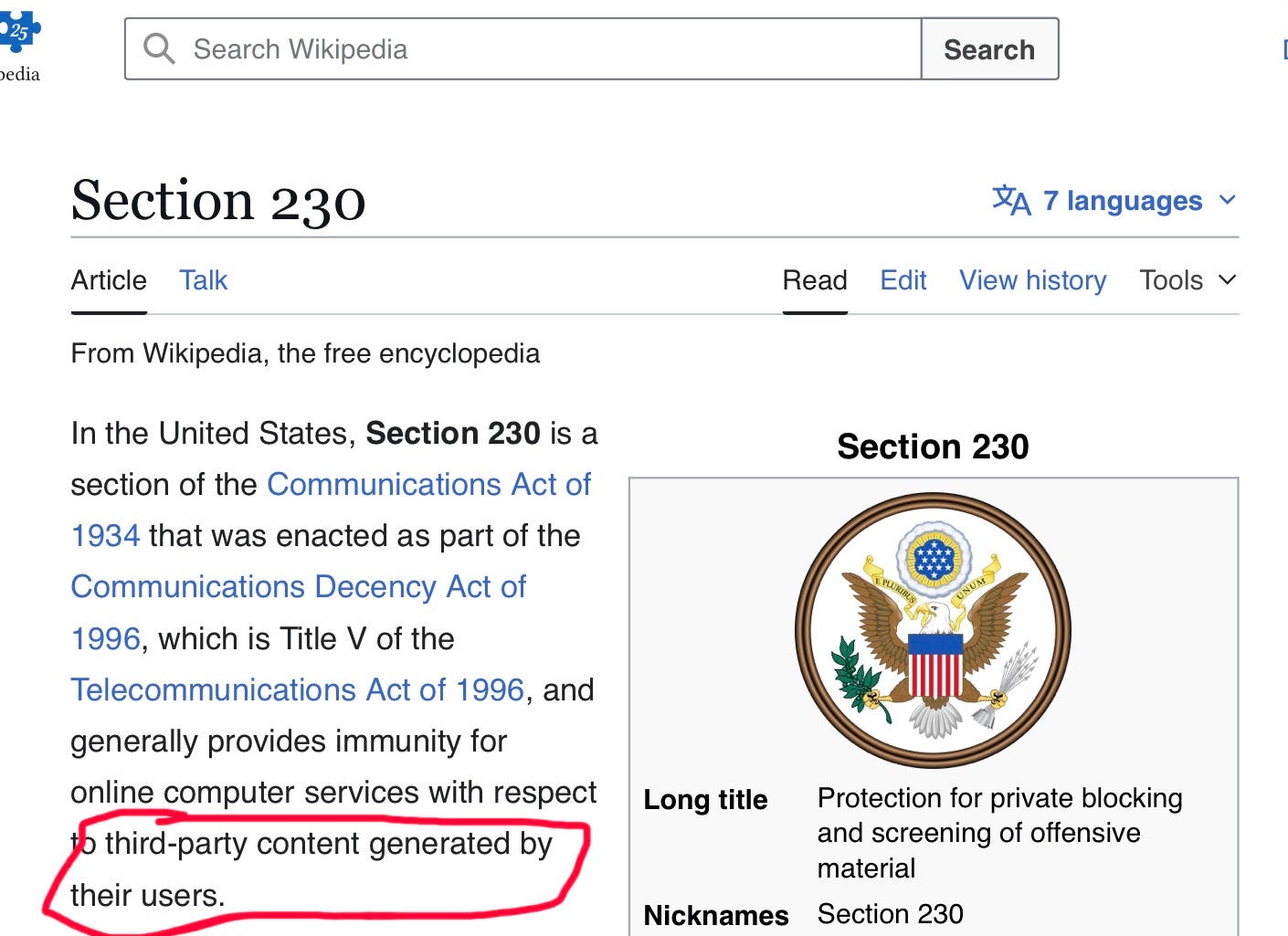
- The decision torpedoes protections like US Section 230, sparking global calls for stricter AI accountability and rewriting the rules for tech giants worldwide.
AI as Author, Not Intermediary
German judges ruled that Google’s AI Overviews create original statements—making Google legally responsible for every AI-generated falsehood, not just a neutral search engine.
In a landmark decision, the Munich Regional Court unequivocally held Google directly liable for false and defamatory statements generated by its AI Overviews feature, marking a decisive departure from traditional intermediary protections typically afforded to search engines. The court emphasized that AI-generated summaries constitute "independent, new, and substantive statements" rather than mere links or neutral information, thereby attributing authorial responsibility to Google. This ruling, which includes potential fines up to EUR 250,000 per violation and mandates Google to bear 80 percent of legal costs, underscores a fundamental legal shift recognizing AI content as the operator's own speech rather than third-party material.
The court drew a clear legal distinction between AI-generated content and conventional search results by asserting that "generation is not intermediation." Unlike traditional search engines that index or link to third-party sources, Google's AI synthesizes and produces new content that does not appear in any cited sources, effectively making Google the creator of these statements. This distinction removes the shield of intermediary protections and subjects Google to strict product liability for the AI's output, regardless of negligence, as the company alone controls and can adjust the AI models responsible for generating such content.
The court decisively rejected Google's defense that disclaimers urging users to verify AI-generated content absolve it of liability, highlighting that warnings about potential errors are insufficient when the AI confidently disseminates defamatory or false statements at scale. Furthermore, Google's failure to promptly remove false claims after cease-and-desist notices from affected publishers was a critical factor in establishing liability. This ruling signals that companies deploying generative AI cannot rely on user skepticism or disclaimers to evade responsibility, especially when their systems produce damaging misinformation with apparent certainty.
Importantly, the court clarified that AI-generated search summaries do not enjoy free speech protections since they are algorithmically produced by corporate entities rather than individual opinions. By framing AI outputs as the product of a designed, trained, and managed algorithm, the ruling establishes that companies like Google bear full responsibility for the content their AI systems generate. This precedent sets a new legal landscape for generative AI in search, where operators must actively prevent and correct falsehoods rather than passively hosting or linking to third-party content.



New Legal Line for AI Content
By treating AI-generated summaries as Google’s own speech, German courts have shattered the traditional liability shield and forced platforms to own up to every AI-created claim.
German courts have drawn a clear legal line between AI-generated summaries and traditional search results by recognizing that Google's AI Overviews produce independent, new, and substantive statements rather than merely linking to third-party content. This distinction means that the AI-generated content is treated as original speech authored by Google, not simply an intermediary presentation of existing information, fundamentally altering the legal responsibility framework for search engines.
This evolving legal stance rejects Google's longstanding defense that it functions solely as an intermediary protected from liability, emphasizing that when AI systems generate novel content—including hallucinated or false claims not found in any linked sources—Google must bear direct authorial responsibility. The court explicitly dismissed Google's argument that user warnings about AI inaccuracies absolve it of liability, underscoring a judicial shift toward holding platforms accountable for the veracity of AI-generated summaries.
Traditional intermediary protections that have long shielded search engines from liability no longer apply to AI Overviews, which are designed as a trusted feature that summarizes, rephrases, and at times invents facts at the top of search results. This shift reflects courts’ recognition that AI-generated summaries are qualitatively different from conventional search listings, demanding a new legal approach that treats these summaries as original content with all attendant responsibilities.
Section 230 Under Siege
The German ruling ignites global momentum to rewrite tech liability laws, signaling the end of blanket protections and demanding direct corporate accountability for AI’s outputs.
The German court's landmark ruling holding Google directly liable for AI-generated false and defamatory content fundamentally challenges the traditional protections afforded by laws like the US's Section 230, which historically shielded platforms from liability for third-party speech. By emphasizing that AI-generated summaries constitute distinct content attributable to the operator rather than mere third-party speech, the decision underscores the inadequacy of existing intermediary liability frameworks and signals a growing recognition within the industry—echoed by Sam Altman's admission of corporate responsibility—that new legal paradigms are urgently needed to address AI's unique risks.
This ruling has catalyzed a broader global debate on AI liability, prompting bipartisan momentum in the US to reconsider or even sunset Section 230 protections, as evidenced by a bill introduced by Senators Lindsey Graham, Dick Durbin, and others aiming to end immunity for AI-related harms. Legal experts like Alex Shahrestani highlight that Section 230 was designed for user-generated content on bulletin boards, not for AI that autonomously authors outputs, positioning companies as publishers rather than neutral intermediaries—a shift that demands businesses implement rigorous accountability measures such as human oversight and audit trails to mitigate legal and reputational risks.
Beyond Germany and the US, the ruling reflects a broader European regulatory trend that distinguishes AI-generated content from human expression, denying such outputs free speech protections and insisting on direct corporate accountability. Judges have explicitly noted that AI content is algorithmically produced rather than an expression of personal conviction, a stance that aligns with wider European efforts to rein in unchecked tech power and encourages organizations worldwide to integrate AI governance into standard risk management practices, as Carolyn Shelby observes, to navigate the evolving legal landscape effectively.