Oura ring 5 shrinks in size, grows in smarts—but subscription and sizing spark debate
The gist
Oura Ring 5 debuts as a sleeker, smarter health wearable—but its shrunken size, premium finishes, and AI upgrades are sparking heated debate over sizing quirks, subscriptions, and value.
What to know
- The Oura Ring 5 is 40% smaller and lighter (just over 6mm wide, 2g), with jewelry-like finishes and a refined sizing range.
- Upgraded sensors and AI features deliver up to 19% better workout tracking and new health insights like Symptom Radar, now also available on older models.
- A $5.99/month subscription for advanced app features and no trade-in option for loyal users have stirred controversy despite the ring’s improved comfort.
Sleek Redesign, Luxe Appeal
Oura Ring 5’s dramatically smaller profile, tighter sizing, and premium finishes transform it into a true piece of jewelry—though the refined fit and high-end options demand careful selection and a higher price.
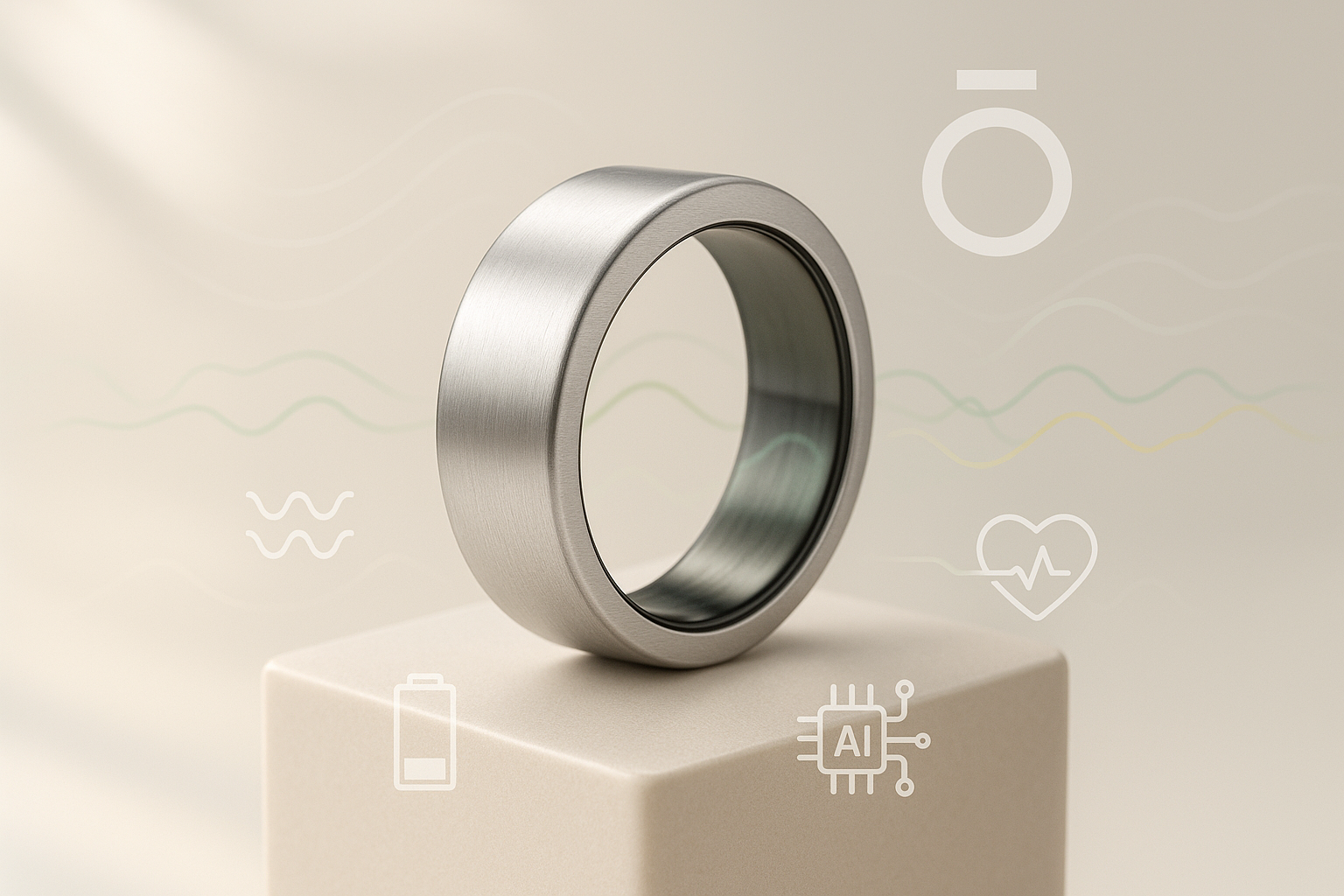
The Oura Ring 5 marks a significant leap in comfort and wearability, boasting a design that is roughly 40% smaller and lighter than its predecessor. With dimensions trimmed from 7.9mm to just over 6mm in width and weight dropping to as little as 2 grams, this iteration achieves a near featherweight feel that users describe as 'completely unnoticeable' on the finger. This sleeker profile, combined with a smoother curvature, allows the ring to resemble traditional jewelry more closely, shedding the bulky smart ring aesthetic of earlier models.
Sizing has undergone a notable refinement in the Oura Ring 5, with the available range narrowed from sizes 4-15 down to 6-13. This adjustment means some users must select different finger placements or adjust their size expectations, as the new sizing tends to fit tighter even at the same numerical value. Recognizing the critical importance of an accurate fit for both comfort and sensor accuracy, Oura provides a free sizing kit that users are encouraged to wear for 24 hours—including during workouts and sleep—to account for natural finger swelling and shrinkage.
Aesthetic customization receives a boost with the Oura Ring 5’s expanded palette of finishes, including base options like Silver and Black, and premium choices such as Gold, Stealth, Brushed Silver, and the newly introduced Desert Rose titanium finish. This latter option offers a masculine yet subtly rose-gold tint, broadening the ring’s appeal as a piece of jewelry rather than just a health device. However, these premium finishes come at a $100 markup, reflecting the brand’s positioning of the ring as both a functional and fashionable accessory.
While the Oura Ring 5 maintains its premium titanium construction, which holds up well against daily wear and active use, it currently lacks the ceramic option available in the previous generation. This absence has drawn some concern regarding durability and smudge resistance, as titanium surfaces tend to show fingerprints more readily. Nevertheless, Oura has enhanced the ring’s scratch resistance through an improved physical vapor deposition coating, making it the most resilient outer surface in the brand’s history and better suited to withstand the rigors of everyday life.
Smarter Sensors, Inclusive Accuracy
Hardware upgrades boost heart rate and workout tracking precision—especially across diverse skin tones—while extended battery life makes round-the-clock wear genuinely effortless.
The Oura Ring 5 showcases a major sensor overhaul that reduces the number of light pathways from 18 to 12 but compensates with a fourfold increase in LED brightness, resulting in a notable 12% boost in nighttime HRV accuracy and up to 19% improvement in workout tracking precision. This redesign also incorporates stronger signal pathways and more powerful LEDs, enhancing measurement accuracy across diverse skin tones—a critical advancement for inclusivity in biometric tracking. As noted in multiple reviews, these hardware enhancements maintain the ring’s compact form factor without sacrificing data fidelity, with overnight heart rate and HRV metrics consistently aligning with reference devices.
Battery life in the Oura Ring 5 sees a modest but meaningful extension, now lasting between six and nine days depending on ring size, compared to the previous 5 to 8-day range. This improvement supports a seamless 'set-and-forget' user experience, allowing users to charge the device roughly once a week, often during routine activities like showering, thereby enhancing continuous 24-hour wearability without frequent interruptions. The balance of smaller physical dimensions with longer battery endurance marks a thoughtful refinement in the ring’s design.
While the Oura Ring 5 introduces new AI-driven health features such as Symptom Radar—which analyzes biometric data during sleep to predict imminent illnesses like colds, flu, or Covid—these capabilities are largely extensions of software updates available to recent Oura ring owners rather than exclusive hardware-driven breakthroughs. Complementing this, the Health Radar feature proactively monitors long-term health patterns, including blood pressure signals and nighttime breathing, delivering subtle nudges without overwhelming users. Additionally, live activity tracking enhancements and expanded health insights, including women’s health updates and GLP-1 medication management, broaden the ring’s utility beyond basic biometrics.
Advanced Features for All Models
Oura’s latest AI-driven health tools, including Health Radar and Symptom Radar, now reach older rings, signaling a shift toward software parity and longer device lifespans for loyal users.
In a surprising and welcomed move, Oura has extended several flagship features of the Ring 5—such as Health Radar, live activity tracking, and AI-driven health coaching—to its older models, including the Oura Ring 3 and 4. This backward compatibility not only democratizes access to advanced health insights like women’s health updates and medication management (e.g., GLP-1 medication insights for Ozempic users) but also marks a strategic shift towards enhancing the longevity and value of existing devices, addressing long-standing user demands for software parity across generations.
The introduction of Health Radar on the Oura Ring 5 represents a significant leap in proactive health monitoring by synthesizing complex metrics—such as Blood Pressure Signals and Nighttime Breathing—into actionable nudges that alert users to long-term health anomalies without overwhelming them with raw data. Complementing this, the Symptom Radar feature can predict illness onset, including colds, flu, or Covid, while live activity tracking enables real-time workout metrics, collectively elevating the ring’s role from passive tracker to an AI-powered health companion.

Comfort Wins, Value Debated
The Ring 5’s near-invisible comfort and subtle style drive upgrades, but modest battery gains, a separate charging case, and a recurring subscription leave many questioning the real value over older, similarly capable models.
By early 2026, users widely praise the Oura Ring 5 for its dramatically reduced size and weight—down from 7.9mm width and up to 5.2g in the Ring 4 to just 6.1mm and 2g—resulting in a comfort level that makes the ring nearly unnoticeable during daily wear. Reviewers like those from BGR and AOL highlight how this 40% size reduction transforms the ring into a seamless, stylish accessory that feels more like jewelry than a tech device, although sizing nuances require careful attention with Oura’s free sizing kit to ensure the perfect fit. This shift toward discreetness and comfort remains the primary motivation for upgrading, as the core health tracking capabilities and app features largely mirror those available on the previous generation.
Despite the Oura Ring 5’s incremental battery life improvement—from a claimed 5-8 days to 6-9 days—and the introduction of a new charging case that can recharge the ring up to five times on the go, real-world gains are modest. Users appreciate the convenience of charging once a week, often during routine activities like showering, which supports a 'set-and-forget' experience, yet some express frustration that the charging case is sold separately, adding to the overall cost burden alongside the $399 base price and ongoing $5.99 monthly subscription fee. This subscription model, while positioned as more affordable than competitors like Whoop, remains a sticking point for many, especially given that the Oura Ring 4 still offers comparable app functionality at a lower price point.
While the Oura Ring 5 introduces sensor enhancements such as increased light brightness leading to up to 19% better workout accuracy and 12% improved nighttime HRV measurements, these improvements are not exclusive to the new model, as recent older rings have received similar software updates. Consequently, users find the Ring 5’s sports tracking capabilities lag behind even basic wrist-worn wearables, limiting its appeal for fitness enthusiasts who require real-time workout data and comfort during exercise. This gap underscores Oura’s continued focus on sleep and recovery metrics, where the ring excels and remains preferred over bulkier wrist devices, but it also highlights a trade-off that prospective buyers should consider.
The redesigned Oura app, featuring a split interface with top-line scores and detailed scrollable data, garners mixed reactions: some users appreciate the richer health insights and new features like Health Radar and Rest Mode that proactively suggest interventions, while others find the navigation less intuitive. Importantly, most of the app’s advanced functionalities require the ongoing membership subscription, which unlocks deeper sleep, heart rate, temperature, and stress data, reinforcing the subscription’s central role in the user experience. This evolving ecosystem, praised by reviewers as the best among smart rings, helps justify the premium pricing for many, although the lack of a trade-in program for loyal customers dampens enthusiasm.