Oura ring 5’s AI push raises price questions
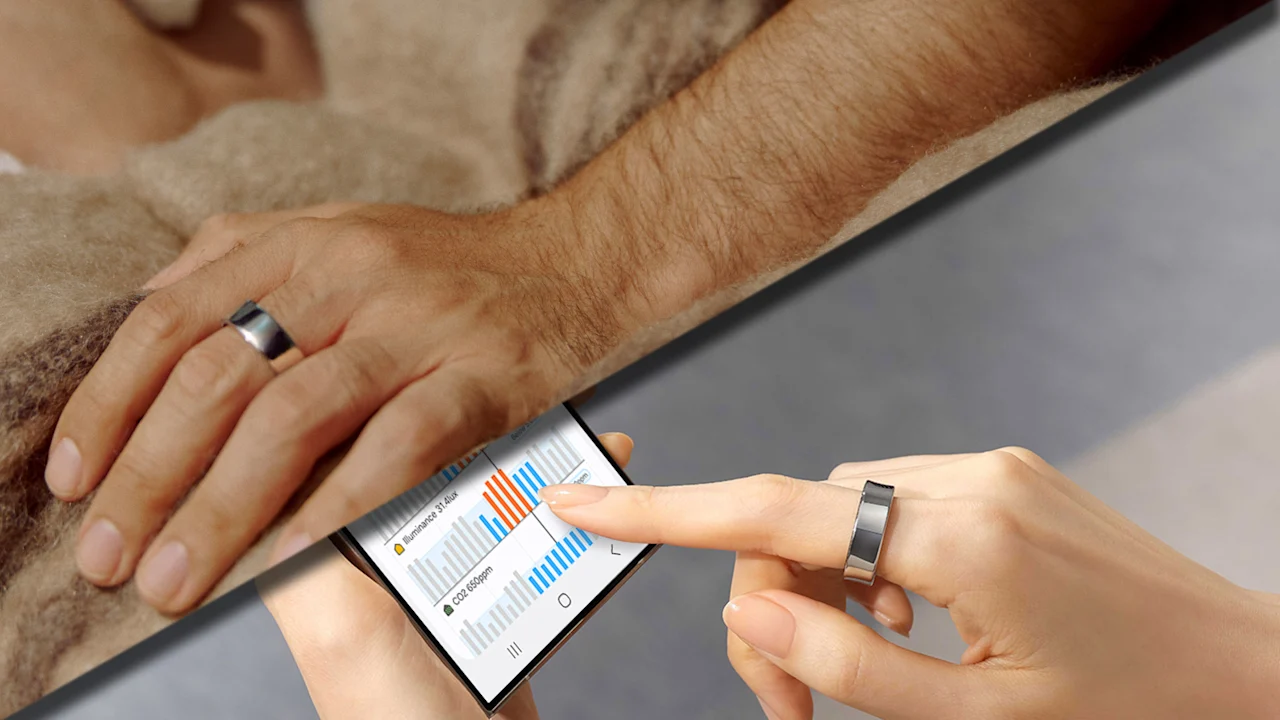
The gist
The Oura Ring 5 dazzles with AI-powered health insights and a sleek titanium design—but its steep price and mandatory subscription ignite fierce debate over true value.
What to know
- Oura Ring 5 tracks advanced biometrics from your finger, delivers early illness alerts, and now leverages a proprietary women's health AI—all in a slimmer, more durable package with up to 7 days of battery life.
- Ownership gets pricey: expect to pay $349 upfront plus a $5.99/month subscription, totaling over $550 in two years—while rivals like RingConn Gen 2 and Ultrahuman Ring AIR skip subscription fees entirely.
- Proper sizing is crucial (sizes 6–13 only), and Oura recommends a free sizing kit to ensure comfort and accurate tracking—especially since the ring is meant for continuous, personal wear.
AI-Powered Precision Tracking
Oura Ring 5’s advanced sensors and proprietary women’s health AI deliver uniquely personalized insights, setting a new standard for accuracy and early illness detection in wearable tech.
The Oura Ring distinguishes itself in the health tracking market by leveraging biometric data captured from the finger, considered the most accurate measurement site on the human body. This precision enables the device to deliver personalized, AI-driven insights, such as early illness detection before symptoms manifest, and tailored health recommendations based on individual baselines. Notably, Oura has integrated a proprietary large language model focused on women's health, enhancing its ability to provide specialized insights in this area.
Beyond standard smartwatch metrics like heart rate, calories burned, and step count, the Oura Ring offers advanced features including detailed sleep cycle analysis, stress level monitoring, and an overall readiness score that synthesizes multiple health factors. The latest models, such as the Oura Ring 4 and 5, have pushed technical innovation further with improved battery life—up to eight days in the Ring 4 and consistent seven-day performance in the Ring 5—alongside enhanced sensor accuracy and AI-driven analytics that refine sleep tracking and recovery insights.
The Oura Ring 5 represents a significant leap in design and technology, achieving a 40% reduction in size and weight without sacrificing sensor accuracy or battery longevity. This smaller, lighter form factor, crafted from scratch-resistant titanium and waterproof to 100 meters, enhances comfort for continuous wear while maintaining robust biometric monitoring. Innovations such as stronger LEDs, fewer but more powerful sensors, and improved skin contact enable precise data capture even during high-motion activities, supporting comprehensive health tracking including live workout monitoring and long-term trend analysis.
Oura has expanded its health ecosystem through strategic partnerships, notably with Quest Diagnostics and Dexcom, allowing users to monitor up to 50 biomarkers and integrate glucose tracking seamlessly. These collaborations, combined with continuous app improvements praised for their intuitive interface and actionable insights, position the Oura Ring as a holistic health platform that supports diverse user needs, from metabolic health to fertility and reproductive wellness.



Subscription Cost Showdown
Oura’s steep long-term price—including a required monthly fee—positions it as a premium choice, while rivals attract budget-conscious users with no-subscription models and comparable tracking features.
The Oura Ring 4 and 5 present a premium pricing model that combines a high upfront hardware cost—starting at $349 for basic finishes and rising to $499 for luxury options like Gold or Rose Gold—with a mandatory subscription fee of around $5.99 to $6 per month. Over time, this subscription significantly inflates the total cost of ownership, reaching approximately $550 after two years and potentially exceeding $750 over five years, as the subscription unlocks the detailed health insights and AI-driven coaching features that differentiate Oura from competitors.
Oura justifies its subscription fees by emphasizing ongoing scientific research, continuous feature updates, and advanced coaching layers within its app, positioning the recurring charge as an investment in evolving health insights rather than a mere access fee. This approach contrasts sharply with newer smart rings like RingConn Gen 2, Ultrahuman Ring AIR, and Samsung Galaxy Ring, which offer core tracking functionalities without any subscription, appealing to users wary of ongoing costs.
When compared to alternatives such as RingConn Gen 2 ($299 one-time), Fitbit Air ($100 one-time with optional premium subscription), and other devices like Garmin vívosmart 5 and Apple Watch Series 11, the Oura Ring’s subscription model emerges as a significant trade-off between cost and software sophistication. While Oura’s app is praised for its smooth interface and slightly more accurate data, many users may find the no-fee core features of competitors more cost-effective, especially if they prioritize long-term affordability over incremental feature enhancements.
The subscription-free version of the Oura Ring app offers only limited data such as basic activity, readiness, and sleep scores with generic labels, withholding critical metrics like heart rate variability, sleep stages, and stress timelines behind the paywall. This limitation diminishes the ring’s standalone value, making the mandatory subscription a near-essential consideration for buyers who want to fully leverage their investment, a factor that has sparked debate among users and reviewers alike.


Fit, Comfort, and Style Wars
Oura Ring 5’s shrunken, ergonomic design demands precise sizing for both comfort and data accuracy, as competitors race to win users with aesthetics, materials, and fashion-friendly finishes.
Sizing remains a critical factor for both comfort and functionality with the Oura Ring, as finger dimensions can fluctuate throughout the day, increasing the risk of loss if the ring is ill-fitting. Oura strongly recommends ordering their free sizing kit—especially since the new Oura Ring 5’s redesigned form factor, which is 40% smaller and available only in sizes 6 to 13 (versus 4 to 15 for Ring 4), means previous sizes may no longer apply. This emphasis on proper sizing is underscored by practical advice to wear the sizing bands for at least 24 hours to gauge fit during daily activities, highlighting how a well-fitted ring is essential for both security and accurate health tracking.
The Oura Ring 5’s ergonomic redesign addresses longstanding user feedback by making the ring significantly smaller, lighter, and thinner—measuring just 6.09mm wide and weighing between 2 to 2.69 grams, down from 7.9mm and up to 3.6 grams in earlier models. This redesign not only enhances comfort for extended wear but also integrates larger optical sensors with improved domes and more powerful LEDs, boosting both skin contact and tracking accuracy across diverse finger types and skin tones. Additionally, the ring’s construction from non-allergenic titanium with an advanced physical vapor deposition coating improves scratch resistance and durability, while its IP68 rating ensures dust and waterproof protection up to 100 meters, marrying style with practical resilience.
Design preferences in the smart ring market vary widely, with competitors like Ultrahuman’s Ring AIR offering six finishes aimed at blending seamlessly into outfits, and Samsung’s Galaxy Ring appealing to minimalists within its ecosystem. In contrast, the Oura Ring 4 and 5 maintain a distinctive presence on the finger, often recognized as a status symbol for health tracking enthusiasts. The addition of a deep rose finish replacing the previous rose gold option on the Oura Ring 5 exemplifies Oura’s effort to balance modern aesthetics with functional design, catering to users who prioritize both style and practicality in their wearable tech.
While the Oura Ring’s fitted nature ensures precise biometric readings, it also limits sharing or passing the device between users unless they share the same finger size, a constraint not present with adjustable wristbands on smartwatches. This exclusivity underscores the importance of selecting the correct size upfront, as the ring is designed for continuous personal use rather than communal or family sharing. Moreover, battery life and charging convenience—such as the Oura Ring 4’s 5 to 8 days per charge and the introduction of a portable charging case—play a pivotal role in user comfort and consistent wearability, factors that directly influence the ring’s practicality in everyday life.
Smart Rings vs. Wrist Giants
Despite surging innovation, smart rings like Oura face an uphill battle against feature-rich, wrist-worn wearables that dominate the market with broader ecosystems and all-in-one connectivity.
By 2026, the fitness tracker market remains largely dominated by wrist-worn devices such as the Apple Watch Series 11 and Samsung Galaxy Watch 8, which blend advanced health monitoring with smart connectivity features like voice assistants, app ecosystems, and Emergency SOS. These multifunctional wearables emphasize design versatility, including slimmer cases and interchangeable straps, setting a high bar for specialized devices like the Oura Ring to justify their niche appeal.
Smart rings like the Oura Ring occupy a distinct but increasingly competitive niche within the broader fitness tracker landscape, appealing to users seeking discreet, jewelry-like wearables without screens. While Oura remains the benchmark for sleep tracking and AI-driven health insights, its mandatory $5.99 monthly subscription and premium pricing contrast with emerging competitors such as RingConn Gen 2 and Ultrahuman Ring AIR, which offer no-subscription models and focus on design or battery life advantages.
The smart ring market has matured from a niche curiosity into a legitimate battleground, with new entrants like Ultrahuman’s Ring PRO promising extended battery life and advanced biointelligence that could shift market dynamics. However, some industry voices suggest that smart rings may be losing relevance compared to wrist-worn devices, which continue to expand in functionality and ecosystem integration, reflecting divergent user priorities between form factor and feature breadth.
Subscription models and platform compatibility significantly influence the competitive landscape, as seen with Oura’s mandatory subscription and Samsung Galaxy Ring’s Android and Samsung device limitations, contrasting with subscription-free or optional-fee devices like Fitbit Air and Amazfit Helio Strap. This divergence affects total cost of ownership and user experience, with affordable, screenless wristbands challenging the premium-priced smart rings by offering core health tracking features without ongoing fees.