Premium pain: soaring insurance costs squeeze homebuyers and deepen divide in california and florida
The gist
Soaring homeowners insurance premiums in California and Florida aren’t just painful—they’re rewriting the rules of who can afford a home and deepening divides across entire communities.
What to know
- California insurance premiums have jumped 84% since 2020, and Florida now has the nation’s highest rates, making mortgage approval tougher and fueling housing inequality.
- Florida’s legislative reforms have helped stabilize its insurance market, letting companies like Windward’s Edison and Florida Peninsula cut premiums—but costs remain sky-high for many.
- Rising insurance and tax bills are squeezing low-income homeowners and renters hardest, echoing the 2008 crisis and threatening a fresh wave of economic and neighborhood instability.
Insurance Surge Fuels Divide
Skyrocketing premiums in California and Florida are fracturing neighborhoods and pricing out low-income buyers, as insurance costs become the new frontline of housing inequality.
Homeowners insurance premiums have surged dramatically in climate-vulnerable states like California and Florida, driven by escalating wildfire, hurricane, and flood risks. California has seen an 84% increase since 2020, with projections for another 16% rise in 2026, while Florida now carries the highest premiums nationwide, continuing to climb despite its historic reputation as an affordable state. This surge is not merely a numeric increase but a catalyst for a broader affordability crisis, as highlighted by Aequitas CEO Darshit Chokshi and mortgage brokers like Damon Germanides, who report growing challenges in securing mortgages amid soaring insurance costs.
The insurance affordability crisis exacerbates regional inequality, with stark disparities between neighborhoods and income groups. In Florida, newer homes built to updated codes withstand storms better than older, vulnerable properties, creating a patchwork of recovery and risk on the same streets. Low-income borrowers pay disproportionately higher effective insurance rates—around $2.10 more per $1,000 of home value than wealthier counterparts—deepening housing inequities. Additionally, renters and affordable housing providers face indirect impacts as landlords pass on rising insurance costs or defer maintenance, further entrenching economic divides.
The escalating insurance premiums are reshaping housing markets by undermining mortgage accessibility and depressing property values, threatening to trigger economic spirals reminiscent of the 2008 crisis. Without affordable insurance, buyers are forced to walk away from purchases—as one mortgage broker recounted a client abandoning a $11,000 insurance quote on a 4,000-square-foot home—while local economies risk contraction due to shrinking property tax bases and stalled real estate activity. This dynamic is particularly acute in hotspots like Los Angeles and Tampa Bay, where premium growth rates of 59% and high income-share burdens respectively spotlight the uneven regional toll of climate-driven insurance shocks.
Florida’s Gamble on Reform
Legislative overhauls are luring insurers back and nudging some premiums down, but market stability remains fragile amid ongoing climate and economic pressures.
Florida's recent legislative reforms have played a pivotal role in stabilizing the state's volatile homeowners insurance market, which had been rattled by rising yields, technological disruptions, and geopolitical uncertainties undermining investor confidence. This regulatory overhaul has not only bolstered insurer profitability but also empowered companies like Windward's Edison and Florida Peninsula to reduce home insurance premiums, signaling a positive shift towards market equilibrium and greater affordability for homeowners.


Mortgages Upended by Volatility
Unpredictable insurance and tax hikes are forcing lenders to rethink mortgage approvals, as rising costs now threaten to derail deals and lock out vulnerable borrowers.
Mortgage underwriting is increasingly challenged by rising homeowners insurance and property tax costs, which are breaking the long-held predictability of the 30-year fixed mortgage. As Damon Germanides highlights from California's market, surging premiums—up 84% since 2020 with another 16% projected in 2026—force brokers to address insurance costs early to avoid loan jeopardy, signaling that traditional underwriting matrices no longer suffice. This shift compels lenders to move beyond interest rates and home prices, focusing instead on total monthly payments that now include volatile insurance and tax expenses, which can inflate debt-to-income ratios and complicate borrower qualification.
Current underwriting practices often fail to anticipate future spikes in insurance premiums, posing significant risks to payment sustainability and borrower qualification. Industry voices warn that while closings rely on binder invoices at the moment of sale, insurance costs can escalate 10-30% annually thereafter, a factor not yet integrated into credit risk assessments. Experts foresee a necessary evolution in underwriting standards to incorporate projected increases in insurance and taxes, ensuring borrowers can sustain payments over time amid unpredictable local market and regulatory shifts, as underscored by Pace's observations on the complexity of forecasting property tax resets.
Rising insurance premiums disproportionately burden low-income borrowers and those in high-risk geographic areas, exacerbating inequality in homeownership accessibility. Stanford researchers note that borrowers earning below 50% of area median income pay roughly $2.10 more per $1,000 of home value in insurance than those above 120% AMI, while markets like Houston and Tampa Bay face compounded challenges from flood and wind exposure. This uneven cost distribution inflates debt-to-income ratios, delays closings, and in some cases disqualifies buyers entirely, highlighting a widening affordability gap that mortgage originators must navigate carefully.
The growing reliance on FAIR Plan insurance in California—now backing 6% of new mortgage originations, up from 1.5% in 2020—reflects deeper structural stress within mortgage underwriting and risk assessment frameworks. Coupled with concerns raised by Darshit Chokshi about inflated replacement cost estimates driving premiums beyond local market values, these trends suggest that inflated insurance costs are not only pricing out buyers but also threatening contract stability. Similar pressures in Florida and Colorado, where premiums have surged dramatically, contribute to a broader squeeze on mortgage affordability across key states, underscoring the urgent need for regulatory scrutiny and market stabilization efforts.



Neighborhoods on the Brink
Escalating insurance costs and insurer exits are deepening post-disaster decline, fueling a cycle of disrepair, falling home values, and rising financial fragility in Florida’s most vulnerable communities.
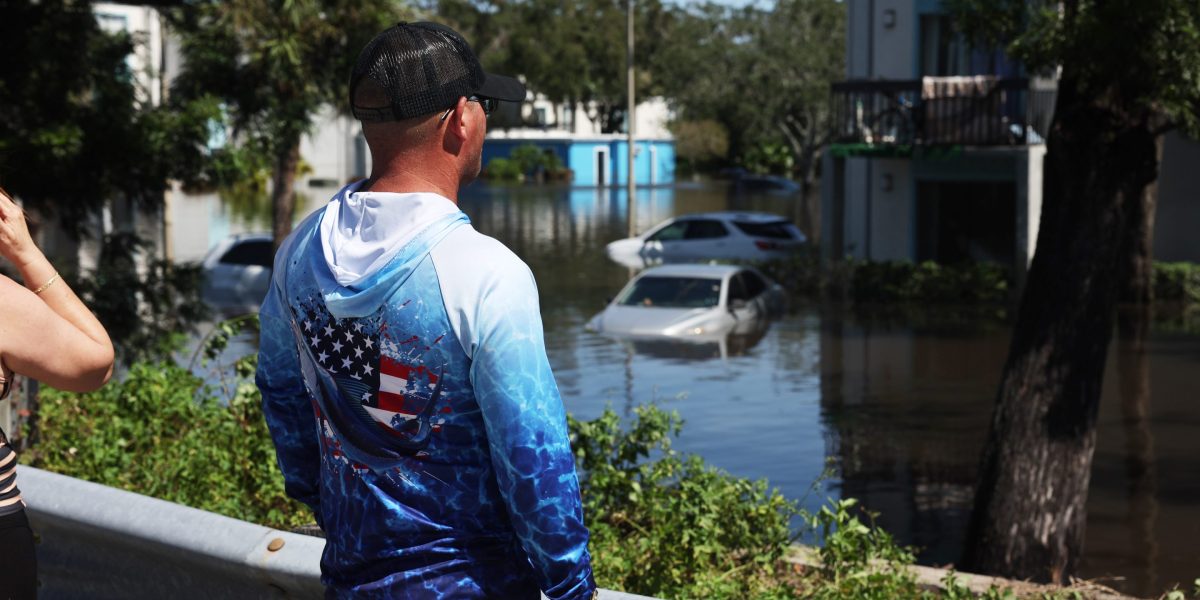
The homeowners insurance crisis in Florida starkly illustrates how vulnerable and lower-income communities bear the brunt of escalating premiums and insurer withdrawals, leading to pronounced neighborhood disparities. In Shore Acres, for example, older bayfront homes remain in disrepair post-hurricanes while newer elevated properties stay intact, underscoring unequal recovery tied to insurance accessibility and rebuilding costs. This dynamic extends beyond homeowners to renters and affordable housing providers, who face rising insurance expenses that landlords often pass on as higher rents or deferred maintenance, deepening housing market inequalities and economic instability.
The withdrawal of insurers and soaring premiums are triggering a downward financial spiral in vulnerable communities, reminiscent of the 2008 subprime mortgage crisis. As many storm-damaged homes carry 'for sale' signs due to prohibitive rebuilding costs, neighborhoods experience decline, falling home prices, and shrinking property tax bases that strain local government budgets. This cycle reduces mortgage accessibility and home equity, disproportionately destabilizing lower-income populations and widening socioeconomic disparities across Florida’s housing markets.
Rising insurance costs are accelerating risk-sorting in Florida’s housing markets, where wealth disparities between residents in federally designated coastal flood zones and those inland compound economic instability. While coastal homeowners often have higher credit scores and down payments, less than 2% of counties account for 65% of uninsured flood losses, disproportionately impacting certain regions and vulnerable populations. Mortgage delinquencies spike following severe weather events—such as the 10,000 delinquencies after Hurricane Beryl in Hustom—further exacerbating inequality and financial fragility in these communities.
A critical barrier to mitigating this inequality is widespread unawareness among homeowners outside federally mandated flood zones about their flood risk and affordable insurance options. As Dr. Howard Botts points out, many are unaware they could obtain preferred flood insurance policies at relatively low costs, leaving them financially vulnerable and reinforcing geographic and income-based risk-sorting. Addressing this knowledge gap alongside Zac Taylor’s call for collective resilience and reforms beyond private markets is essential to curbing the systemic challenges faced by marginalized communities amid the insurance crisis.