RayNeo’s camera-free AR glasses spark privacy debate
The gist
RayNeo’s new camera-free AR glasses are shaking up the market—delivering AI smarts and cinematic visuals without spying on your every move.
What to know
- RayNeo leads with a 23.7% global market share, pioneering Dolby Vision playback and real-time AI-powered SDR to HDR conversion in its GT Series glasses.
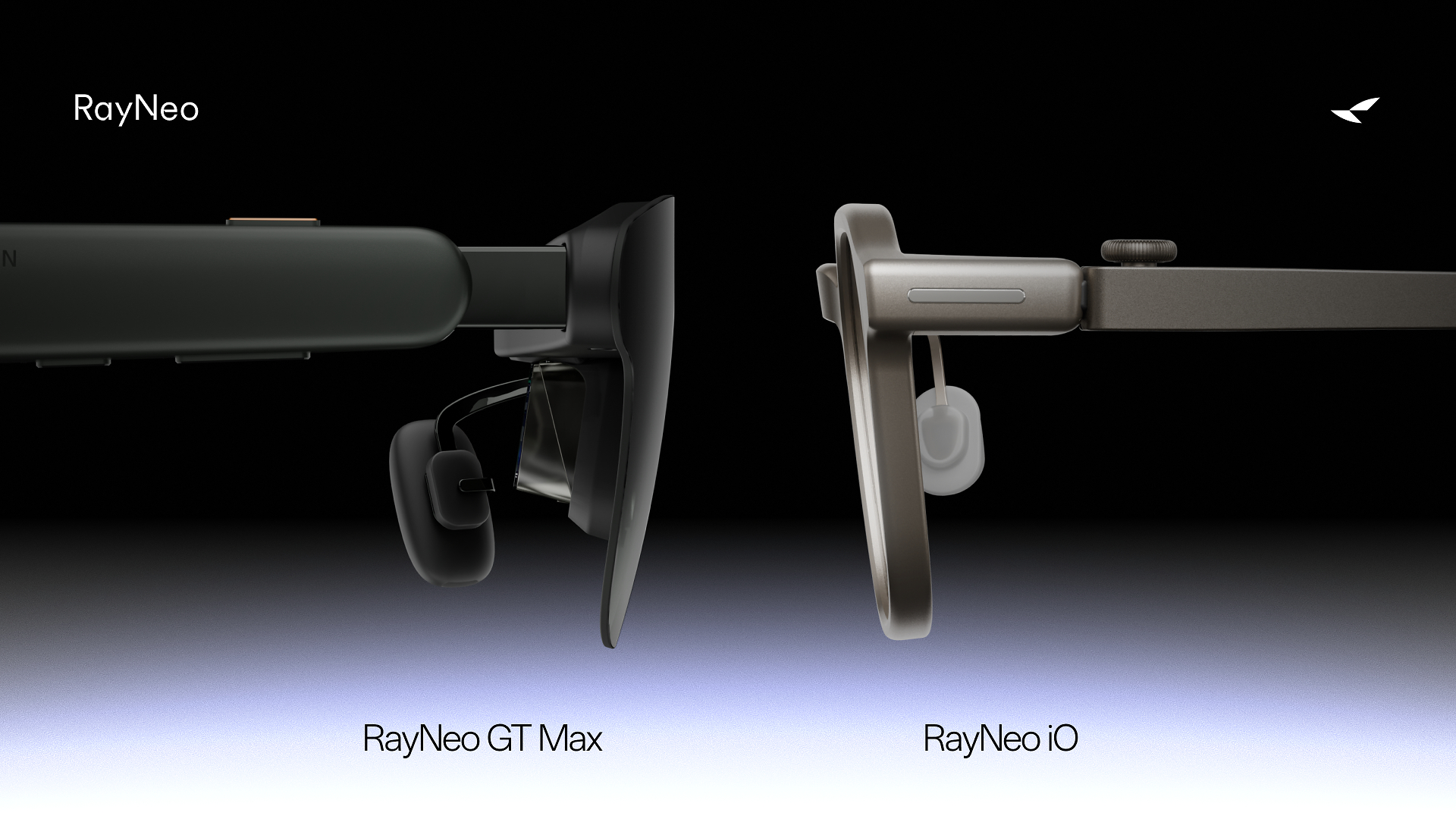
- Its iO Smart Glasses feature a lightweight, camera-free design that prioritizes privacy while offering live captions, multilingual translation, and AI summaries via a heads-up display.
- RayNeo’s physical button and Digital Crown controls set it apart from camera-heavy rivals like Google and Meta—tackling privacy fears head-on in a crowded AR field.
Cinematic AR, Redefined
RayNeo’s GT Series glasses fuse Dolby Vision visuals and Bang & Olufsen-tuned audio for an immersive, portable entertainment experience that rivals traditional screens and headphones.
RayNeo's GT Series AR glasses break new ground as the first in the world to support Dolby Vision playback, offering users a personal cinematic experience with dynamically optimized visuals that surpass traditional HDR. This innovation is further enhanced by real-time AI-powered SDR to HDR conversion, elevating standard dynamic range content into striking, vivid imagery. By partnering with Dolby Laboratories, RayNeo ensures cutting-edge visual technology that redefines augmented reality entertainment.
Audio quality in compact AR glasses is notoriously challenging, but RayNeo's collaboration with Bang & Olufsen has yielded a finely tuned sound profile that balances convincing bass with clear, natural mids. Through rigorous acoustic engineering and professional listening tests, the GT Series delivers immersive, balanced audio that enriches movies, music, and gaming experiences, overcoming the spatial constraints of wearable devices without compromise.
The iO Smart Glasses exemplify RayNeo's commitment to blending cinematic immersion with practical AI-driven productivity. Weighing a mere 33 grams, the iO features a lightweight eye-proximity heads-up display that discreetly delivers live captions, multilingual translation, and AI-generated summaries, enabling hands-free teleprompting and voice recording. As River, RayNeo’s industrial design director, highlights, this integration creates a comfortable, glanceable interface that supports daily use while maintaining a private, cinematic screen experience.

Privacy by Design
RayNeo’s camera-free iO Smart Glasses trade some AI features for uncompromising user privacy, using physical controls and discreet displays to sidestep surveillance fears.
RayNeo’s iO Smart Glasses set themselves apart in the AR market by embracing a camera-free design that directly addresses growing privacy concerns associated with wearable tech. This deliberate omission not only alleviates fears tied to so-called “pervert glasses” but also reflects a thoughtful balance between AI-driven productivity and user privacy, ensuring that AI assistance operates without invasive data capture. As River, RayNeo’s industrial design director, emphasized, integrating an eye-proximity display into a lightweight frame without cameras preserves user privacy while maintaining everyday comfort.
User interaction with the iO glasses is elevated through a unique control system that combines physical buttons with a Digital Crown, reminiscent of Apple Watch controls, allowing seamless navigation without relying on touch gestures or constant smartphone interaction. This intuitive interface not only enhances usability but also supports privacy by minimizing the need for sensor-heavy inputs or camera-based controls. Reviewers have noted that the Digital Crown’s tactile feedback offers a more reliable and less temperamental experience than swiping on the frame, reinforcing RayNeo’s commitment to a user-friendly yet privacy-conscious design.
While the iO’s camera-free approach significantly boosts privacy, it also introduces trade-offs in AI contextual capabilities, as seen with the AI-agnostic Siri Recap feature that functions without visual data input. This compromise has elicited mixed reactions, with some users appreciating the privacy-first stance but others feeling the loss of richer AI interactions. Nonetheless, RayNeo’s integration of glanceable heads-up displays for live captions, multilingual translation, and AI-generated summaries demonstrates a nuanced approach to delivering AI assistance that respects user privacy without sacrificing core functionality.

AR Market’s Diverging Paths
While RayNeo bets on privacy and minimalist design, rivals like Google and HTC chase fashion and AI-rich camera features, revealing a split in how brands tackle user trust and tech adoption.
RayNeo has solidified its position as the global leader in the AR glasses market with a commanding 23.7% share, outpacing giants like Google, Meta, HTC, and Snap through its innovative blend of cinematic Dolby Vision technology and AI-driven productivity tools. Unlike competitors, RayNeo's iO Smart Glasses emphasize a privacy-first, camera-free design paired with a unique control system, offering users a distinct experience that balances advanced AI assistance with robust privacy protections. This approach not only differentiates RayNeo technologically but also addresses growing consumer concerns around surveillance and data security in wearable devices.
Google’s strategy contrasts with RayNeo’s by prioritizing stylish, eyewear-first collaborations with brands like Warby Parker and Gentle Monster, aiming to create smart glasses that users will comfortably wear all day. Their integration of the Gemini multimodal AI platform leverages smartphone offloading to blend physical and digital interactions seamlessly, reflecting a phased approach that starts with audio-only products before advancing to in-lens displays. While Google actively tackles privacy concerns related to camera use, their design philosophy leans heavily on fashion and social connectivity, positioning their glasses as tools to reshape human interaction rather than solely focusing on privacy.
HTC’s partnership with Innovative Eyewear to launch the VIVE Eagle AI camera glasses in the U.S. highlights a competitive niche focused on AI-enhanced features like conversation recording and real-time translation, combined with prescription lens fulfillment and a strong emphasis on all-day wearability and aesthetics. This contrasts sharply with RayNeo’s camera-free iO glasses, underscoring divergent design philosophies where HTC targets utility and AI-driven communication enhancements, while RayNeo prioritizes privacy and cinematic visual experiences. CEO Harrison Gross’s claim that VIVE Eagle offers superior comfort and user-friendliness exemplifies the market’s segmentation between privacy-centric and feature-rich camera glasses.
Meta and Snap represent two distinct challenges within the AR glasses landscape, with Meta struggling to overcome privacy stigma and 'uncool' perceptions despite aggressive AI integration and high-profile fashion collaborations involving celebrities like Kylie Jenner. The social backlash against Meta’s camera-equipped glasses, often labeled pejoratively as 'pervert glasses,' underscores the persistent privacy hurdles that RayNeo’s camera-free design seeks to avoid. Meanwhile, Snap’s high-end Specs glasses, priced at $2,200 and featuring advanced materials and electrochromic lenses, cater to a professional or enthusiast segment, illustrating the market’s broad spectrum from casual wearables to premium, tech-heavy devices. These dynamics, alongside over 50 different AR headsets flooding the market, create a complex competitive environment where privacy, style, and technological innovation vie for consumer trust and adoption.