Retailers shift to end-to-end control in last-mile race
The gist
Retailers are ditching the old speed-at-all-costs playbook and seizing end-to-end control of last-mile delivery to keep customers loyal and costs in check.
What to know
- September 2026 data shows high-control delivery networks hit 95% on-time rates, trouncing the 65.5% of lower-control rivals.
- 88% of shoppers say a late delivery (with just an apology) could end their loyalty, and 55% of retailers now use carriers beyond FedEx, UPS, and USPS.
- Platforms like Veho are scaling up flexible delivery with 120,000 crowdsourced drivers, while East Coast ports surge as shippers chase single-roof freight control.
Control Drives Profits and Loyalty
Retailers with full end-to-end delivery command not only achieve higher on-time rates but also curb rising costs and win customer trust by prioritizing reliability over raw speed.
September’s clearest signal was that end-to-end control had become a strategic dividing line, not an operational nice-to-have. According to the latest Eye on the Last Mile America 2026 research from FarEye, based on more than 3,000 datapoints, high-control organisations reported on-time delivery performance of 95 percent, versus 65.5 percent for lower-control operators, while 88 percent of operators were seeing delivery costs rise at least as fast as revenue, with fuel cited by 70 percent as a top pressure.
That September evidence also tied control to economics, reinforcing a pivot toward full-network command rather than simply spending more on delivery. FarEye found the same organisations experienced a median cost increase of 8.3 percent compared with 14.5 percent for less controlled networks, and framed the answer as orchestration and visibility across fragmented operations, as hybrid delivery models spread and more operators combined owned fleets with outsourced partners that require tighter end-to-end coordination to protect reliability. A second September update showed East Coast ports gaining appeal because shippers increasingly wanted to go full end to end instead of handing freight off after arrival, while research showed reliability outranked maximum speed and broader visibility and more acceptable direct delivery interactions made delivery choice and dependable execution more central to loyalty, conversion, and competitive differentiation.

Carrier Diversification Reshapes Delivery
Retailers are breaking away from legacy shipping duopolies, leveraging flexible networks and customer-facing delivery options to offset surging costs and protect shopper loyalty.
The operating model is shifting because cost inflation and service failure now punish retailers more than a slower promise does. AlixPartners’ Home Delivery Survey found 88% of shoppers say “a late delivery accompanied by nothing but an apology weakens or ends their willingness to buy from that retailer again,” putting roughly 20% of demand at risk, while parcel economics worsened as ground rates ran 34% above the 2018 baseline, average surcharges climbed 13% quarter to quarter, both carriers imposed 5.9% 2026 rate increases, and ground fuel surcharges rose 26% year over year.
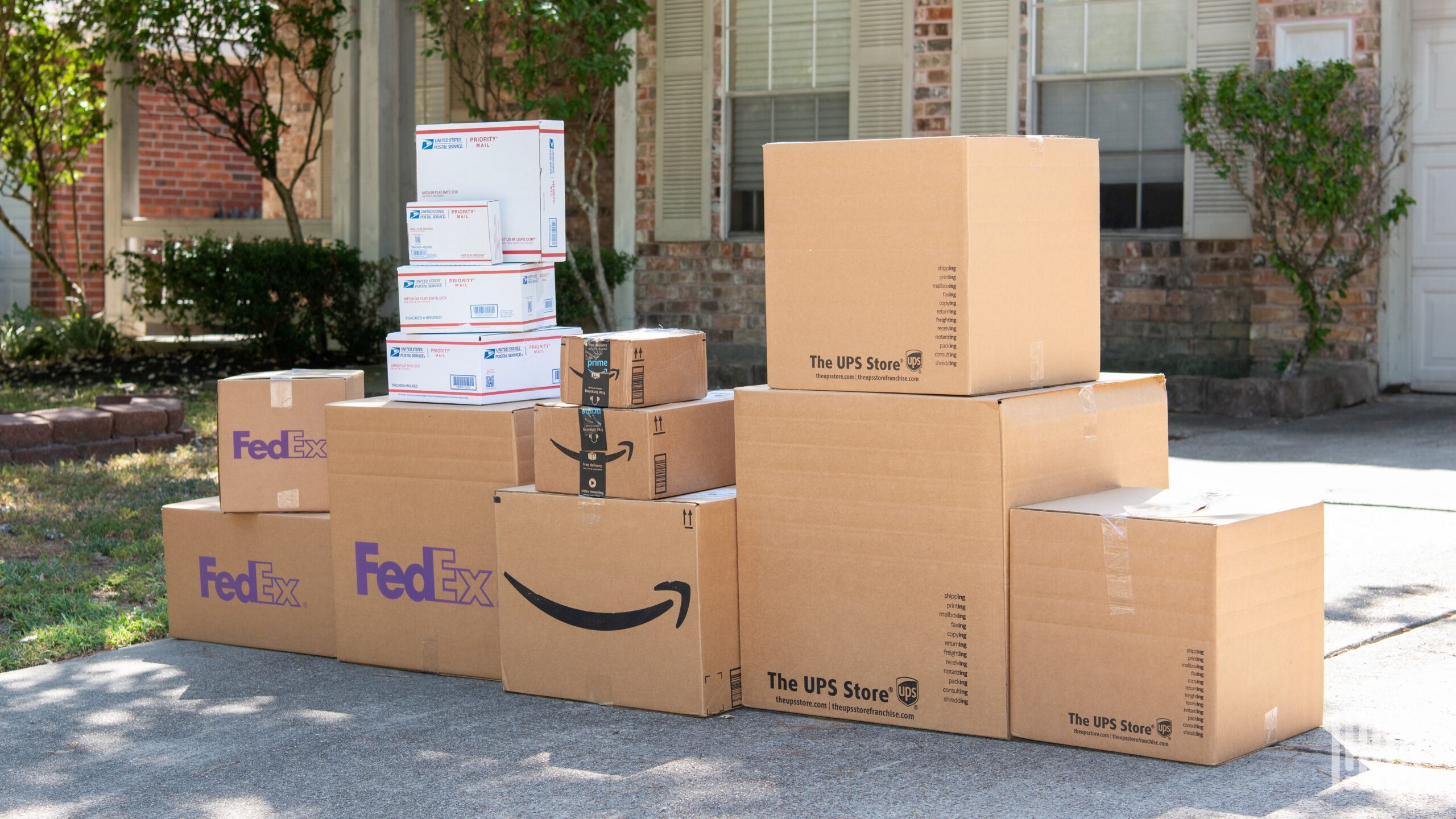
Retailers are responding by building orchestration and visibility across a broader carrier bench instead of buying more speed from a shrinking duopoly. The AlixPartners survey found 55% of retailers using carriers outside FedEx, UPS and the U.S. Postal Service, more than a third shifting volume away from FedEx and UPS, and more than 90% running a mix of last-mile carriers, while FreightWaves reported that diversification is eroding the duopoly as UPS and FedEx walk away from commodity last-mile and “None of this volume growth went to UPS and FedEx.”
That diversification only works if operators can turn network complexity into customer-facing choice, which is why platforms now emphasize flexible service levels, tracking, and personalized controls. Veho, for example, relies on 120,000 crowdsourced drivers using their own vehicles and delivers in nearly 60 markets for brands including Macy’s, Lululemon, Sephora, HelloFresh and Stitch Fix, while retailers increasingly treat options such as adjustable windows, proof of delivery, and real-time updates as conversion and retention tools rather than add-on logistics features.