Retail’s great divide: luxury surges while budget shoppers stretch every dollar
The gist
America’s retail recovery has split in two: luxury and experience spending soars for the wealthy, while everyone else scrambles for deals and stretches every dollar.
What to know
- By May 2026, retail sales climbed 0.9%-1.3% year-over-year, but affluent shoppers drove luxury while middle- and lower-income groups flocked to private labels and bargains.
- Buy Now, Pay Later exploded to a $128 billion market as consumers dodged 20-25% credit card rates—even as delinquencies rise and credit risks mount.
- Amazon Grocery slashed prices on 13,000 items and doubled Whole Foods deals, while the Fed kept rates steady and core inflation stuck at a stubborn 3.4%.
Retail’s Two-Speed Reality
Affluent consumers are splurging on luxury and experiences while lower-income households are forced into bargain-hunting and financial cutbacks, deepening the retail sector’s stark class divide.
By mid-2026, the U.S. economic recovery is distinctly K-shaped, with affluent consumers fueling growth in luxury and experiential markets while middle and lower income groups grapple with inflation and stagnant wages, deepening the wealth gap and reshaping retail demand. Retailers like Amazon Grocery observe this divide firsthand, noting that wealthier shoppers prioritize quality and differentiation, whereas value-conscious consumers increasingly shop multiple retailers weekly to hunt for deals and stretch budgets, often shifting to smaller, more frequent grocery trips to reduce waste and manage costs.
This economic bifurcation is vividly illustrated in consumer spending behaviors and retail sector performance: while wholesale clubs such as Costco see increased fuel pump traffic as affluent shoppers strategically plan purchases, convenience stores experience nearly a 10% decline in pump transactions and in-store sales, reflecting the financial stress on lower-income consumers. Walmart CFO John David Rainey and McDonald’s CEO Chris Kempczinski highlight how households earning $45,000 or less are cutting back on fuel and fast-food spending, signaling a broader retrenchment among value-conscious shoppers.
Despite widespread cutbacks on discretionary spending—over two-thirds of U.S. adults according to EY-Parthenon—affluent consumers maintain nuanced spending patterns, continuing to support smaller luxury purchases, a phenomenon often described as the 'lipstick effect.' Meanwhile, middle and lower income households tighten budgets to achieve financial well-being, with early-stage delinquencies dropping to a three-year low, yet many increasingly rely on buy now, pay later financing for essentials, a trend that may mask underlying credit risks as providers like Affirm and Klarna report rising delinquencies.
The widening K-shaped divide exacerbates credit stress among lower-income consumers who face negative real disposable incomes, leading to increased credit card delinquencies and reliance on savings depletion to sustain spending. In contrast, affluent consumers benefit from deflation in their spending categories and robust equity market gains, with the top 20% of earners accounting for 40% of overall consumption. This growing disparity fuels concerns that escalating financial strain on lower and middle-income groups could slow economic growth and elevate delinquency rates, risks not yet fully accounted for in economic forecasts.



Selective Spending Takes Hold
Consumers are trading down to private labels and stretching budgets with zero-interest financing, yet still splurging on lifestyle categories like beauty and tech even as credit risks mount.
Despite persistent inflation and economic headwinds, U.S. consumer spending demonstrated notable resilience in mid-2026, with retail sales rising between 0.9% and 1.3% year-over-year in May, according to Circana and Pantheon Macro. Marshal Cohen of Circana highlights a shift toward value-driven purchases, private labels, and lifestyle priorities, while Samuel Tombs notes that real spending growth of 0.3% was supported by strong job gains and a robust tax refund season. This selective spending pattern reflects consumers’ willingness to pay for quality but with greater intentionality, reducing impulse buys in a digital-first environment.
The spending landscape reveals a pronounced trade-down trend as consumers gravitate toward private-label brands, which now account for nearly half of apparel sales revenue amid volume declines in discretionary categories like footwear and apparel, per Circana. Yet, consumers continue to allocate funds toward lifestyle and enjoyment sectors such as video games, beauty, and technology, underscoring a nuanced balance between financial caution and the pursuit of personal fulfillment despite inflationary pressures.
To sustain purchasing power amid rising credit card interest rates averaging 20-25%, consumers increasingly leverage 0% financing offers and Buy Now, Pay Later (BNPL) options, with the U.S. BNPL market reaching approximately $128 billion. Mike Sicardi of Bank of America notes a 5.1% year-over-year increase in total card spending in May—the strongest in nearly four years—illustrating how promotional credit products are enabling continued robust spending despite financial strain, especially among middle- and lower-income groups who are borrowing more and saving less to maintain consumption.
Broad-based retail expansion is evident as the Johnson Redbook Index reported an 11.5% year-over-year increase in same-store sales by early July 2026, fueled by seasonal promotions, travel-related purchases, and selective spending on categories like sporting goods and apparel. While some of this growth reflects higher prices rather than increased unit volumes, the diffusion index’s strong breadth—with only two sectors showing negative growth—signals sustained consumer demand and a cautiously optimistic retail recovery despite ongoing inflationary challenges.



Value-Driven Habits Redefine Retail
Shoppers are fueling a surge in resale and thrift, prioritizing budget-friendly experiences and strategic purchases as private-label brands and secondhand platforms outpace traditional retailers.
Amid ongoing inflation and economic uncertainty, U.S. consumers are demonstrating resilient yet increasingly selective spending behaviors, maintaining overall retail sales growth of 1.3% year-over-year in May despite a 1.5% decline in unit demand. This trend reflects a shift toward value-consciousness, with shoppers prioritizing lifestyle and enjoyment categories such as entertainment, beauty, automotive, and technology, as noted by Circana’s observation of gains in video games, toys, and small appliances, underscoring a nuanced balance between necessity and discretionary spending.
Value-seeking behaviors are reshaping retail category dynamics, with private-label brands capturing nearly half (49%) of apparel sales revenue, signaling widespread trade-down strategies amid pricing pressures and volume declines in discretionary categories like footwear and apparel. Concurrently, consumers are adopting more strategic shopping patterns, frequenting wholesale clubs like Costco more often to 'top up' rather than fill gas tanks fully, and shifting toward online channels to avoid impulse purchases, as highlighted by Costco CFO Gary Millerchip and shopper Trevor Chapman, illustrating a broader prioritization of budget management and deal hunting.
The rise of secondhand and thrift shopping epitomizes the intersection of economic and environmental consciousness, with resale platforms such as Vinted reporting a staggering 197% surge in sales in Ireland amid rising fuel and energy costs, while traditional clothing store spending declined by 9%. This shift is complemented by consumers favoring affordable leisure options like cinema visits and dining out over pricier travel, reflecting adaptive lifestyle choices that balance enjoyment with financial prudence and sustainability, as evidenced by cinema sales jumping 53% and restaurant spending climbing 10%.
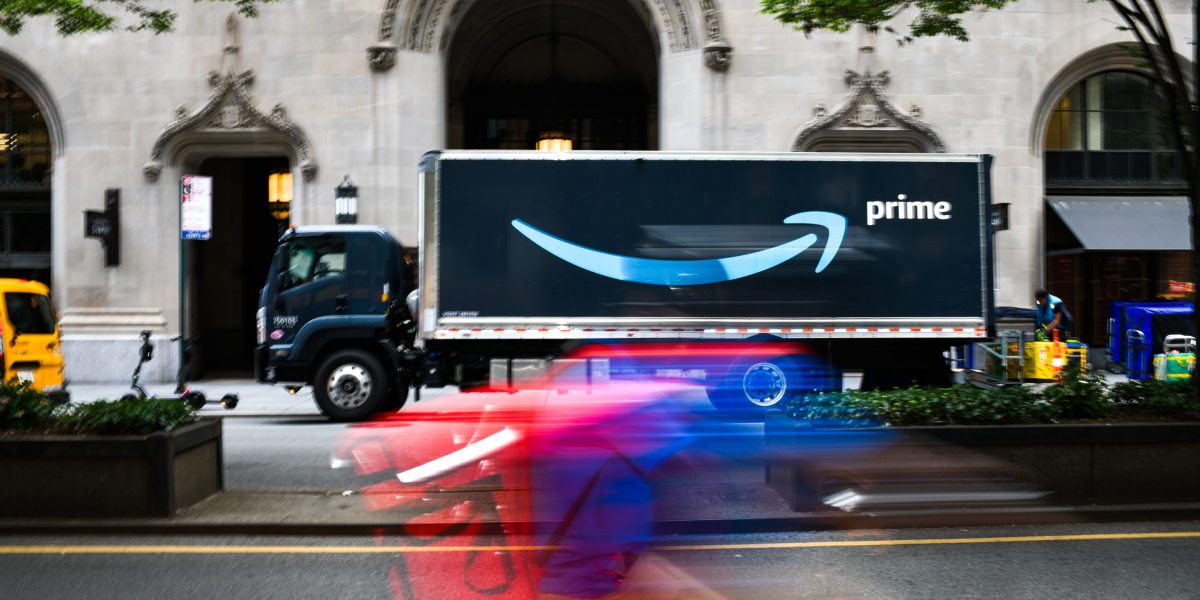
Retailers are responding to these evolving consumer behaviors by intensifying promotional efforts and price reductions to capture deal-driven shoppers who are increasingly spreading their purchases across multiple retailers multiple times per week, as Amazon Grocery’s strategy of cutting prices on 13,000 items and doubling Whole Foods promotions demonstrates. Despite a 9.3% year-over-year increase in Amazon Prime Day sales to $26.4 billion, average order sizes declined from $53.34 to $47.66, signaling cautious spending and a preference for stocking up on essentials rather than discretionary splurges, underscoring the ongoing importance of deep discounts to sustain consumer engagement.

Fed Holds Firm Amid Inflation
The Federal Reserve’s cautious rate pause and persistent inflation are colliding with volatile markets and shifting consumer confidence, as tech supply strains and resilient earnings shape the economic outlook.
The Federal Reserve's decision to hold interest rates steady at 3.5% to 3.75% amid solid economic expansion underscores a cautious but confident monetary policy approach, balancing elevated inflation against robust labor market conditions. With initial unemployment claims falling to 226,000—levels historically consistent with growth—consumer confidence remains supported, even as half of Fed members anticipate potential rate hikes in 2026 to address persistent inflation risks. This nuanced stance reflects the Fed's commitment to price stability while navigating ongoing economic uncertainties.
Inflation continues to challenge the economic landscape, with the core PCE price index rising 3.4% year-over-year in May and a short-term annualized trend hitting 4.1%, driven in part by supply chain pressures linked to surging AI-driven demand for memory and storage components. This dynamic has prompted companies like Apple and Microsoft to increase prices on key consumer electronics, such as MacBooks and Xbox consoles, complicating retail pricing strategies and potentially dampening discretionary spending even as energy prices have eased slightly below $4 per gallon, offering some relief to consumers.
Despite mixed economic signals and market volatility—including a recent 2% pullback in the S&P 500 from its June highs—investor sentiment remains resilient, buoyed by better-than-expected corporate earnings and strong fundamentals. Market participants are focusing on intermediate to longer-term growth prospects rather than short-term headline-driven fluctuations, with experts like Kevin Hassett highlighting nominal GDP growth skewed more towards inflation than real growth but still setting the stage for a broadly solid economic environment supported by sustained profit margins amid inflationary pressures.