Russian hybrid attacks rattle Nato as unity frays
The gist
Russian hybrid attacks—ranging from drone incursions to sabotage—are shaking NATO’s foundations just as political unity in Europe splinters and U.S. support grows uncertain.
What to know
- By mid-2026, Russia has ramped up hybrid warfare across Europe with drone violations in Polish, Romanian, and Estonian airspace and sabotage of critical infrastructure.
- NATO has deployed a German-Dutch rapid response brigade to the Baltics and launched the Eastern Sentry air-defense mission, but U.S. signals of retreat from Article 5 have rattled alliance confidence.
- Rising nationalist parties like Germany’s AfD, fueled by both Russian tactics and domestic unrest, are fracturing European unity and complicating collective support for Ukraine.
Hybrid Warfare Redefined
Russia’s relentless blend of drone incursions, sabotage, and aggressive rhetoric in the Baltics is testing NATO’s resolve while exploiting U.S. uncertainty to probe alliance weaknesses.
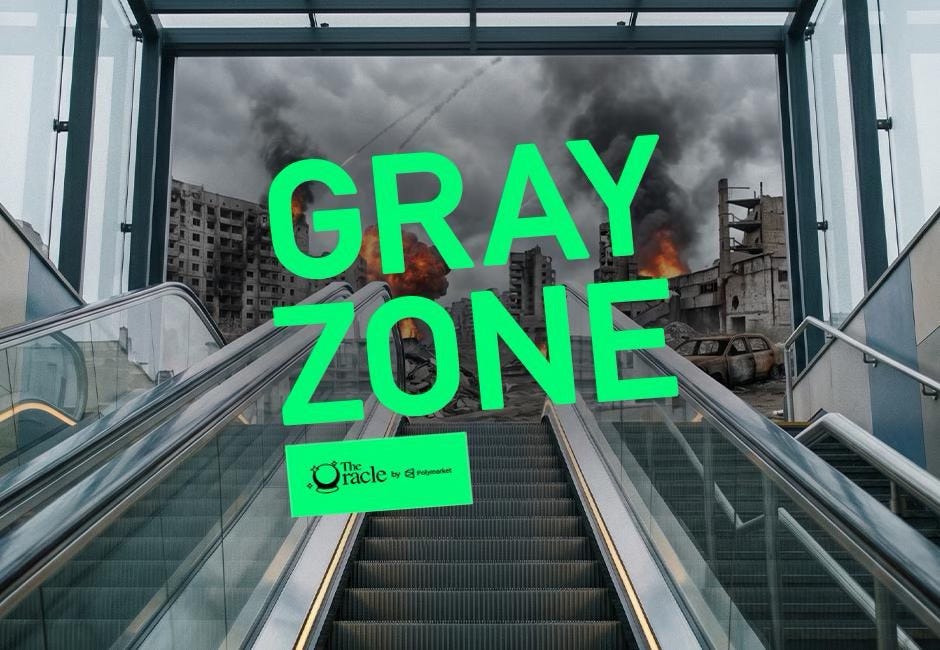
By mid-2026, Russia has significantly escalated its hybrid warfare tactics across Europe, employing a sophisticated blend of drone incursions, sabotage, and gray-zone provocations aimed at destabilizing NATO and reasserting influence, particularly in the Baltic states. Notable incidents include repeated Russian Gerbera-type drone incursions into Polish, Romanian, and Estonian airspace—deliberate acts confirmed by officials like Poland’s Foreign Minister Radosław Sikorski—and sabotage of critical infrastructure such as undersea cable cuts linked to Russian and Chinese vessels. These actions are coupled with aggressive rhetoric about protecting Russian minorities, laying the groundwork for potential military intervention while exploiting perceived wavering U.S. commitment to NATO’s Article 5, thus complicating alliance cohesion and response strategies.
The evolving threat landscape has prompted NATO to adapt rapidly, exemplified by the establishment of a German-Dutch brigade capable of swift deployment to the Baltics without prior North Atlantic Council approval and the launch of the Eastern Sentry air-defense mission to counter persistent drone and airspace violations. Concurrently, Western intelligence warns of escalating provocations, including potential drone attacks on power plants and simulated air raids, signaling a deliberate sequence of hybrid tactics designed to test NATO’s thresholds without triggering full-scale conflict. This nuanced escalation is underscored by market assessments estimating a 17 percent chance of direct NATO-Russia military clashes, reflecting both Cold War echoes and the current precarious balance.
Drone warfare has emerged as a central feature of Russia’s hybrid strategy, with both sides engaging in a high-stakes contest marked by innovative countermeasures and psychological complexity. Russian ghost fleet tankers employ extensive 'Mad Max nets' to fend off Ukrainian drones, while miles of netting near the frontlines create a dystopian landscape of drone defense. This intense focus on unmanned systems spans multiple theaters—from the Black Sea to the Arctic—highlighting a global trend in hybrid conflict. Analysts like Anatole Levin characterize the situation as a mutual delusion, with both Russia and Ukraine overestimating their drone capabilities’ potential to decisively turn the tide.
Recent months have seen a surge in Russian sabotage and covert operations targeting European infrastructure and NATO countries, including a failed drone attack on Germany’s Leipzig/Halle Airport and a suspicious fire at a Polish drone factory. These acts, coupled with warnings from Lithuanian Defense Minister Robertas Kaunas about possible false flag attacks using reassembled Ukrainian drones, underscore Moscow’s intent to sow confusion and undermine European unity. European responses have balanced firm diplomatic measures—such as Germany shutting down a Russian consulate and the EU considering further sanctions—with caution to avoid open conflict, even as the risk of broader escalation, including nuclear threats and secret intelligence diplomacy, looms large.

NATO’s Response Under Strain
Rapid military deployments and new air-defense missions are colliding with U.S. hesitation and internal alliance rifts, exposing just how fragile NATO’s deterrence posture has become.
By mid-2026, NATO has been actively recalibrating its military posture to counter escalating Russian hybrid threats, exemplified by empowering a German-Dutch brigade to rapidly reinforce the Baltic states without prior North Atlantic Council approval and launching the Eastern Sentry air-defense mission in response to repeated Russian drone incursions. These measures reflect the alliance's recognition of heightened tensions, especially with Russia's intensified rhetoric targeting Baltic nations and the unprecedented downing of Russian drones over Polish territory, marking a significant escalation in direct engagements on NATO soil.
Despite NATO's efforts to bolster deterrence, the United States has signaled a retreat from its rapid reaction commitments and Article 5 assurances in Europe, undermining alliance credibility and sowing unease among European members. This shift complicates collective defense readiness amid a complex gray-zone conflict environment, where provocative incidents such as drone attacks and close military encounters with Russian forces challenge traditional deterrence frameworks and raise the specter of a broader NATO-Russia clash, with intelligence and market assessments placing the probability around 17%.
The hybrid warfare tactics employed by Russia—ranging from sabotage of critical infrastructure like undersea cables and covert operations by the so-called 'Russian shadow fleet' to drone attacks on civilian and military targets—have exposed NATO's political and operational vulnerabilities. European leaders, including Sweden's Prime Minister, acknowledge the persistent threat and emphasize preparedness, yet internal alliance tensions, such as political divisions in Britain and controversial U.S. actions like President Trump's Greenland remarks, complicate unified responses and risk eroding the alliance's deterrence posture.
In response to escalating hybrid provocations, U.S. intelligence efforts have intensified, highlighted by CIA Director John Ratcliffe's secretive visit to Moscow aimed at warning Russia against testing NATO's resolve. Concurrently, the U.S. urges NATO allies to accelerate defense spending, training, and production to prepare for potential Russian attacks, recognizing that Russia's wartime economy and military reconstitution could enable limited future strikes despite Putin's current focus on Ukraine. However, NATO members face the delicate challenge of responding robustly to provocations without triggering Article 5, as repeated drone incursions and sabotage fall below the threshold for collective defense activation, thereby straining alliance deterrence credibility and readiness.






Nationalism Disrupts European Unity
Surging populist parties like Germany’s AfD, fueled by local grievances and Russian provocations, are fracturing EU and NATO consensus and threatening sustained support for Ukraine.
By mid-2026, Europe’s political landscape was increasingly fragmented, with rising nationalist and populist parties like Germany’s AfD and France’s National Rally challenging the continent’s unity. The AfD’s surge in eastern Germany, driven largely by domestic issues such as immigration concerns and economic resentment rather than direct Russian interference, reflected deep-rooted local dynamics that complicated narratives blaming Moscow for nationalist gains. This political shift threatened EU and NATO cohesion, as the AfD opposed Ukraine’s EU membership and was less committed to supporting Ukraine against Russian aggression, signaling a potential realignment in European foreign policy priorities.
Russian hybrid warfare tactics, including cyber threats and physical provocations like the drone incidents in Leipzig, exacerbated political instability in Europe by fueling public fear and polarization. These tactics indirectly bolstered nationalist parties such as the AfD, which capitalized on demographic decline and euroskeptic nationalism in eastern Germany to gain electoral support. While the German government used these incidents to rally military mobilization and denounce Russian aggression, some analysts speculated that certain events might have been staged or exaggerated domestically to influence political narratives ahead of critical elections, further complicating the political environment.
The rise of nationalist parties like the AfD, advocating a 'Germany for Germans' agenda and rejecting EU and NATO commitments, intensified political fragmentation and public anxiety about chaos. This fragmentation hindered unified European responses to Russian aggression, as divided public opinion and budgetary constraints in Western Europe limited sustained military and financial support for Ukraine. Moreover, the growing influence of these parties raised the possibility of separate national negotiations with Russia, undermining collective EU and NATO strategies and threatening the continent’s political cohesion.


Infrastructure and Cohesion at Risk
Baltic states face mounting hybrid threats to critical infrastructure as economic pressures and migration crises empower nationalist movements and undermine Europe’s collective security.
By mid-2026, Russian hybrid warfare tactics have increasingly targeted European critical infrastructure, exemplified by Lithuania's warning that Russia might repurpose Ukrainian drones for false flag strikes against Baltic assets. This threat has intensified calls from Baltic leaders for NATO to bolster air defense and counter-drone systems, while simultaneously fueling public anxiety and political mistrust that complicate coordinated security responses across the region.
The hybrid warfare environment is deeply entangled with Europe's political landscape, where migration crises and economic pressures have amplified the rise of nationalist parties like Germany's AfD. These parties exploit public fears stoked by incidents such as suspected Russian drone attacks at Leipzig airport, which are designed to sow chaos and undermine government credibility. As a result, political fragmentation grows, with parties opposing Ukraine support and EU expansion threatening to weaken collective security frameworks and complicate unified European responses.
Economic constraints in Western Europe, highlighted by former UK Defence Minister turned Chancellor's remarks on funding shortages without tax hikes or social welfare cuts, further strain Europe's ability to sustain military and humanitarian aid for Ukraine. This fiscal squeeze, combined with the societal pressures from migration and hybrid threats, creates a challenging environment for maintaining cohesive and effective security infrastructure across the continent.
Gray-Zone Escalation and Diplomacy
Covert Russian provocations and ambiguous U.S. leadership have forced Europe into risky gray-zone diplomacy, where miscalculation could tip the continent into direct confrontation.
By mid-2026, European leaders found themselves navigating an increasingly perilous gray zone of hybrid warfare marked by covert Russian provocations such as drone incursions into NATO airspace, sabotage, and cyberattacks. The Ukrainian drone strike that crossed into Romanian airspace, causing injuries, sharply illustrated the risks of miscalculation that could inadvertently trigger NATO involvement, underscoring the fragile balance of deterrence. Meanwhile, secret diplomatic discussions, including a notable CIA Director John Ratcliffe visit to Moscow, sought to warn Russia against escalating attacks on NATO, reflecting the high-stakes efforts to manage tensions without spiraling into open conflict.
Germany emerged as a frontline actor in Europe's diplomatic pushback against Russian hybrid warfare, publicly attributing a drone attack near Leipzig airport to Russia and responding with expulsions and consulate closures. Chancellor Friedrich Merz's call for stronger sanctions and increased military aid to Ukraine marked a decisive shift from traditional diplomatic responses, signaling a readiness to escalate punitive measures amid growing evidence from German and U.S. intelligence. However, the attribution process remained fraught with uncertainty and suspicion, with analysts like Anatol Lieven highlighting possibilities ranging from Russian incompetence to false-flag operations designed to intensify pressure on Moscow or influence domestic politics.
The broader NATO alliance grappled with internal political constraints and uneven leadership, particularly amid ambiguous U.S. commitments that sowed doubts about collective defense guarantees. Statements from the U.S. Mission to NATO were criticized as weak, while political figures like former President Trump openly questioned Article 5 obligations, exacerbating fears that such indecision could embolden Russian aggression and increase the risk of miscalculation leading to wider conflict. This leadership vacuum forced European nations to manage provocations largely on their own, complicating efforts to maintain alliance cohesion and coherent deterrence strategies in the face of escalating hybrid threats.
The evolving nature of hybrid warfare, including British provision of cruise missiles enabling strikes deep into Russian territory and Russia's retaliatory sabotage threats against Britain, has intensified the risk of severe escalation beyond conventional battlefields. Intelligence and diplomatic channels remain active but face challenges in timely attribution and coordinated responses, as seen in the four-week delay in blaming Russia for the Leipzig drone incident. Defense officials emphasize the urgent need for NATO to develop calibrated collective mechanisms—such as targeted sanctions and punitive measures—that address hybrid attacks falling below Article 5 thresholds, aiming to deter further aggression without triggering full-scale military confrontation.