Tariffs ignite sovereignty fears as separatism surges
The gist
Tariffs have turned Canada’s U.S. trade fight into a high-stakes sovereignty crisis, fueling separatist surges in Quebec and Alberta.
What to know
- New U.S. surtaxes and steel-aluminum tariff amendments in late September 2026 ignited fears that Canada’s independence is under attack.
- Separatist parties are now major players, with Quebec’s Parti Québécois winning 59 of 127 seats and Alberta’s separatist movement gaining ground.
- Despite rumors of U.S. meddling, evidence is thin—but America’s massive appetite for Canadian oil gives Washington powerful leverage.
Tariffs Trigger National Anxiety
The rapid escalation from trade policy to existential crisis has fueled a surge of nationalist symbols and sharpened regional political divides across Canada.
By early October 2026, the trade fight had plainly moved from policy dispute to national stress test. Tariff measures were formalized in late September 2026, setting up the early-October 2026 escalation window referenced in the claim: “(2026, September 23). United States Surtax Order (2026), SOR/2026-186, P.C. 2026-785. Canada Gazette, Part II, 160(19), 3016-3037,” and a related order amending steel and aluminum surtaxes was also issued on September 23, 2026, reinforcing that tariff-related pressure was actively increasing just before early October 2026.
That economic escalation coincided with rhetoric and political signals that made the dispute feel existential inside Canada. The August analysis described a “change in mentality” in Toronto—“I never saw Canadian flags… two, three years ago”—while also asking, “How is Quebecois about this… are they feeling antsy or are they more patriotic than ever about Canada?” and answering with polling claims that “strong support for Carney is about 75%,” as October commentary tied the tariff standoff to Alberta referendum ballots and a Quebec provincial contest, sharpening already visible tensions.



Trade Dispute Fuels Distrust
Canadian leaders now view U.S. tariff tactics as an assault on sovereignty, hardening public opinion and making compromise nearly impossible.
What makes the dispute acute now is that many Canadians no longer read U.S. trade pressure as ordinary bargaining, but as an attempt to narrow Canada’s room to act as a sovereign state. Analysis says Washington wants Canada’s tariff policy aligned with its own while denying it normal reciprocal treatment, and some in Canada believe U.S. actors aimed to wreck negotiations altogether, making trade talks look like proof that political hostility and economic leverage are being used together rather than separately.
That perception is feeding back into domestic politics, hardening public opinion and making a unified trade response harder to sustain. Polls show strong support for Carney is about 75% in the country as a whole, while support rates for that aspect are upward of 80% of the population, leaving him with great difficulty in returning to the negotiating table on trade even as Canada weighs diversification that could trigger warnings about free trade agreements with non market economies, including China and Canada’s 2017 attempt to establish free trade talks with China. The sovereignty anxiety is deepened by the sense that existing protections are no longer dependable, and one analysis says the president is increasingly chipping away at the agreement, warning that beginning January 1st of 2027 Trump has threatened additional tariffs, including on auto parts, which up until now have not been subject to a tariff.

Separatist Wins Redraw the Map
Quebec's new separatist government and Alberta's rising movement have transformed regional discontent into a direct challenge to federal unity.
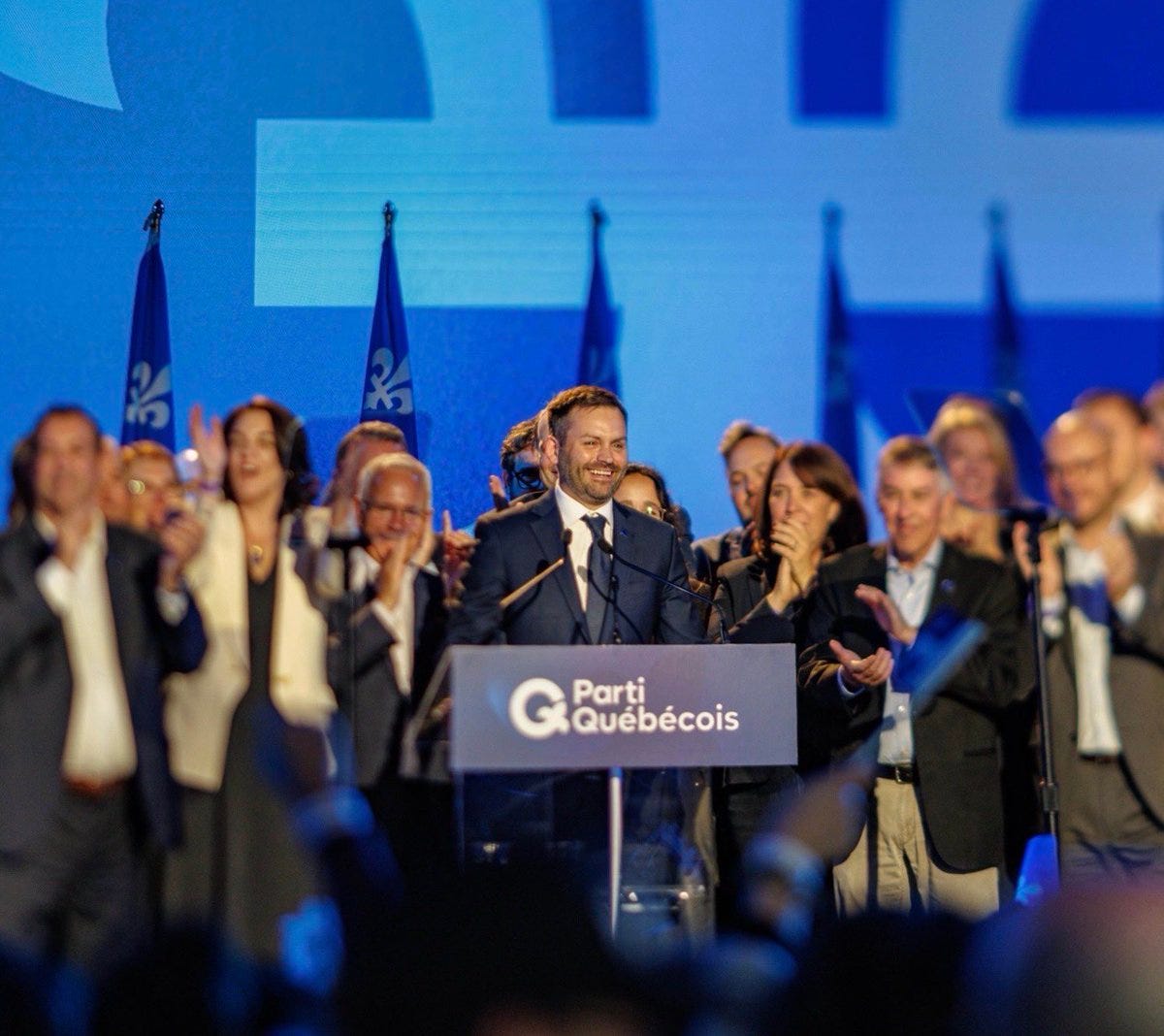
In Quebec, separatist politics are no longer a latent identity current but an immediate governing force. The Line’s Andrew Potter writes, “For the first time since 2014, Quebec will have an explicitly separatist government,” and adds that Parti Québécois leader Paul St-Pierre Plamondon “has pledged to aggressively seek independence, eventually through another referendum,” after the PQ won a minority government with 59 of 127 seats, turning sovereignty from a background grievance into an active source of pressure on Ottawa and a live test of federal cohesion.
That pressure is not confined to Quebec: in Alberta, the sovereignty question has also become an active electoral contest, evident in polling focused not just on opinion but on whether federalist voters are motivated enough to turn out. At the same time, Quebec’s political mood has sharpened the domestic fracture line, with some polls showing “Support for Kearney and Quebec is, according to some polls, at 85%, as opposed to about 75 for the rest of the country,” underscoring how provincial responses are diverging inside the federation rather than remaining abstract grievances.
American Meddling: More Smoke Than Fire
Despite fears of foreign interference, claims of U.S. orchestration rely on circumstantial evidence and strategic suspicion, not concrete proof.
The argument that separatist momentum is being encouraged or exploited by U.S. interests rests largely on commentary that layers strategic inference onto real asymmetries, not on settled proof of direction or coordination. Geopolitical Monitor, for example, uses “US crude oil import data from the Energy Information Administration (EIA)” to argue Washington holds unusual leverage: from 2000 to 2025 overall U.S. crude imports fell “by about one billion barrels,” while imports from Canada rose from “493 million barrels in 2000 to 1.43 billion barrels in 2025,” leaving Canada responsible for almost two-thirds of U.S. crude imports.
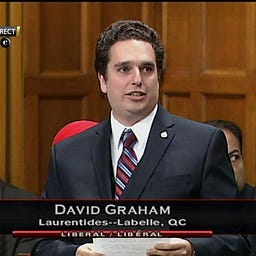
That leverage thesis is then extended by opinion writers into a foreign-influence narrative around separatism, but the evidentiary base remains mostly allegations and investigative citations rather than adjudicated findings. In The Line and in David Graham’s commentary, the warning is that “Halloween 2026’s scariest moment will be coming to terms with the reality of Canada’s disparate separatist movements, and to what extent they serve American interests,” with both pointing readers to Globe and Mail reporting on alleged Washington contacts; even the harder-edged atmosphere is framed through context such as Politico’s report that “the Canadian military has had to prepare scenarios for an American invasion of Canada,” “as acknowledged by the Prime Minister.”