Tesla wins 5,000 vegas robotaxi permits—but cautious rollout looms
The gist
Tesla just scored a record 5,000 robotaxi permits for Las Vegas, but safety hurdles and regulatory red tape mean Sin City’s self-driving revolution will be more crawl than sprint.
What to know
- Nevada regulators have given Tesla the green light to deploy up to 5,000 robotaxis—by far the largest autonomous fleet approval in U.S. history.
- Despite the big headline, actual rollout will be slow, with just 2,500 vehicles planned next year and strict limits on fully driverless operations.
- Tesla’s camera-only Full Self-Driving system faces fierce industry criticism and mounting safety concerns, fueling debate about whether it’s truly ready for prime time.
Vegas Becomes Robotaxi Epicenter
Las Vegas is now the largest robotaxi testbed in the U.S., with 7,000 permits split among Tesla, Waymo, and Uber, but layered regulations and airport restrictions signal a tightly controlled experiment.
Nevada regulators have dramatically expanded robotaxi permits in Las Vegas, authorizing a combined total of 7,000 vehicles for Tesla, Waymo, and Uber’s Aviari, with Tesla receiving the lion's share of 5,000 permits—up from a previous cap of just 10. This historic approval marks the largest single authorization for robotaxi operations in any U.S. metropolitan area, positioning Las Vegas as a critical proving ground for autonomous vehicle deployment amid its complex urban environment and 24-hour demand.
The expanded permits encompass a broad geographic scope within Clark County, including Harry Reid International Airport and Henderson Executive Airport, although service at these airports requires separate authorization from the Clark County Department of Aviation. This layered regulatory approach ensures that while companies can operate widely across the region, sensitive zones like airports remain subject to additional oversight, potentially delaying full service rollout in key transportation hubs.
Nevada’s regulatory framework imposes stringent operational requirements on all robotaxi operators, mandating comprehensive vehicle inspections, insurance documentation, fare submissions, crash reporting, and accessibility compliance. Companies must also provide 24-hour emergency contacts for first responders and cannot commence operations until all conditions are verified by the Nevada Transportation Authority, reflecting a cautious yet supportive stance that balances rapid innovation with public safety oversight.
Despite the unprecedented permit allocations, Tesla views the 5,000-vehicle cap as a maximum ceiling rather than an immediate deployment target, with company engineers expressing satisfaction at reaching approximately 2,500 vehicles within the next year. This tempered rollout plan underscores the operational challenges of scaling fully autonomous fleets in a demanding urban environment, especially given Tesla’s relatively small current active robotaxi fleet of about 20 vehicles nationwide.
Reality Check on Tesla's Rollout
Tesla's massive permit win masks strict operational caps and persistent service flaws, with real-world robotaxi deployment lagging far behind regulatory allowances and customer expectations.
Despite Tesla's ambitious application for 5,000 robotaxi permits in Las Vegas, the Nevada Transportation Authority imposed stringent operational limits, authorizing only 10 fully autonomous vehicles restricted to a specific corridor with speed caps. This cautious regulatory stance contrasts sharply with Tesla's freer operations in Austin, Texas, where safety monitors are not required, underscoring Nevada's hesitancy to fully embrace large-scale autonomous deployment within its jurisdiction.
Tesla's real-world robotaxi service continues to grapple with significant operational shortcomings, including routing inefficiencies that result in excessively long trip durations and incorrect drop-offs, as well as limited customer support responsiveness. These issues persist despite heavy discounting and regulatory approvals, revealing a substantial gap between permit allowances and practical service reliability, with only about 20 to 30 unsupervised vehicles active nationwide—far below the permitted scale.
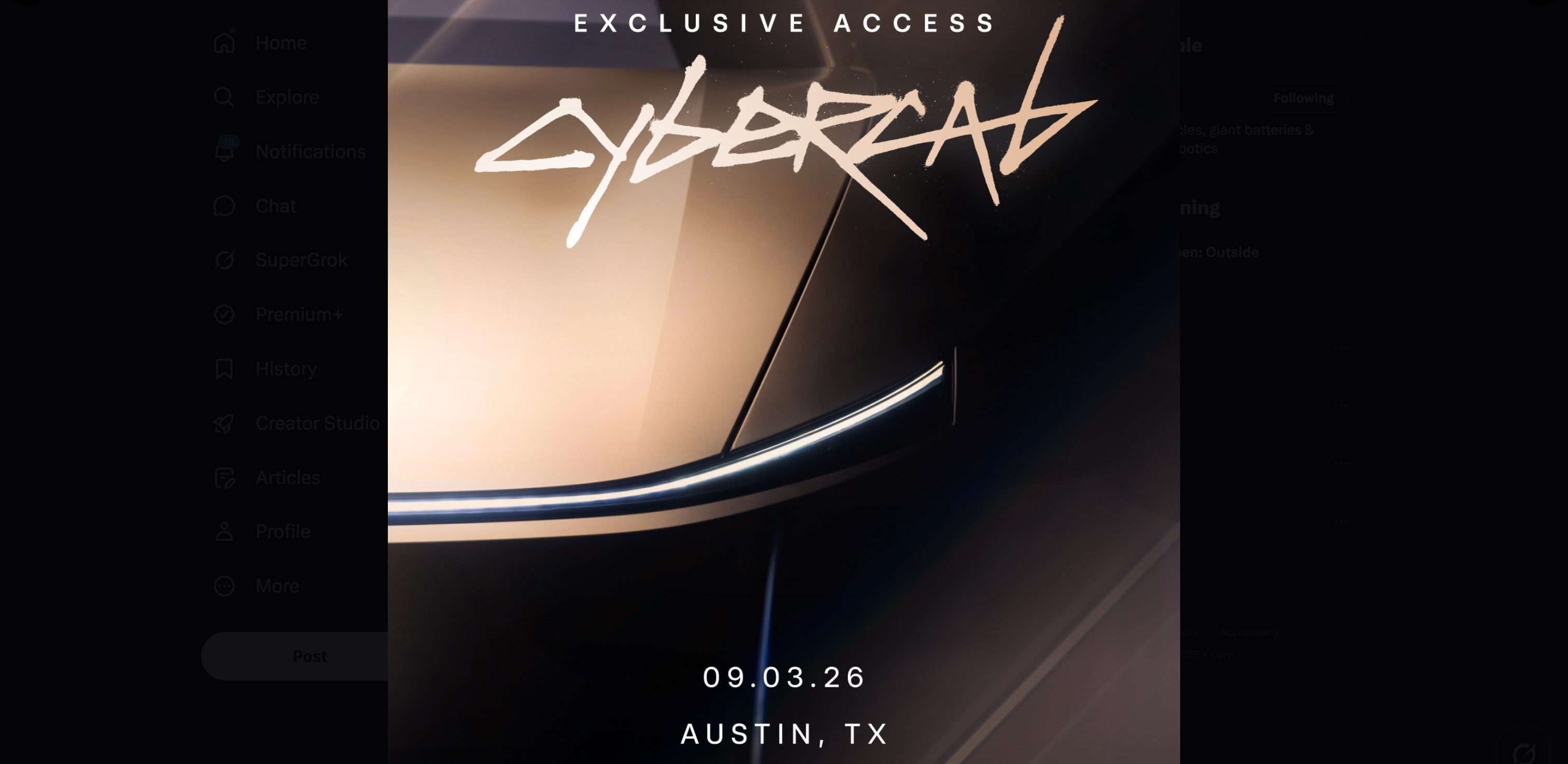
The introduction of Tesla's Cybercab, a new two-seat robotaxi platform, exemplifies ongoing deployment challenges; while it offers improved energy efficiency, it reduces passenger capacity and relies on the same Full Self-Driving software that has demonstrated reliability problems, such as collisions with obstacles. Tesla must accumulate extensive driving data with this new chassis, initially operating retrofitted vehicles with manual controls, which delays scaling and highlights the operational calibration hurdles still facing the company.
Tesla's cautious approach to scaling its robotaxi fleet reflects a recognition that software reliability remains the primary bottleneck, with Elon Musk emphasizing the need for near-perfect operational performance—'99.999999% reliable'—before significant expansion. This focus on the 'march of nines' reliability metric explains why, despite regulatory green lights for thousands of vehicles, Tesla's active unsupervised fleet remains minuscule, and even a modest increase of 10 vehicles in Las Vegas would represent a 50% jump in their national deployment, illustrating how nascent and fragile the current operational stage truly is.

Tesla’s Scale Versus Rivals’ Strategy
Tesla’s fleet dominance and vertical integration give it a unique edge in Nevada, but competitors like Waymo and Uber are betting on different business models that could reshape the robotaxi race.
Tesla's authorization to deploy up to 5,000 robotaxis in Nevada dramatically outpaces competitors like Waymo and Aviari, who each received permits for 1,000 vehicles, positioning Tesla as the dominant player in fleet size. This advantage is bolstered by Tesla's vertical integration, which allows for rapid and cost-effective expansion by manufacturing its own vehicles and leveraging autonomous driving technology already operating in hundreds of thousands of cars. The company's strategic shift towards a large-scale, single-market deployment underscores its focus on owning the cost curve, contrasting with rivals who emphasize data ownership or demand aggregation.
Tesla's stock responded positively to Nevada's permit approval, surging over 5% despite a challenging year-to-date decline, reflecting investor optimism about the company's transition toward recurring revenue through robotaxi services. However, analyst opinions remain mixed, with some cautious due to Tesla's thin operating margins and heavy capital expenditures—expected to exceed $25 billion in 2026—while others highlight the validation of Tesla's deliberate and measured rollout strategy, particularly around the Cybercab's scalability.
While Tesla pursues a deep, concentrated deployment in Nevada, other major players like Uber, Waymo, and Zoox adopt diverse strategies that reflect different competitive moats: Waymo focuses on trust and data ownership, Uber emphasizes demand aggregation through partnerships with Motional and Zoox, and Zoox prioritizes product experience. Uber's recent launch of its first European autonomous ride service in Zagreb exemplifies its broader market approach, highlighting how the robotaxi industry is evolving into a multifaceted ecosystem with no single dominant model.
Despite the large permit allocation, Tesla plans a cautious and gradual rollout, aiming initially for around 2,500 vehicles and transitioning from Model Y crossovers to the purpose-built Cybercab to enhance scalability and operational efficiency. This measured pace tempers investor expectations for rapid scaling but aligns with analyst views that Tesla’s methodical approach and specialized vehicle design will better validate the technology and support sustainable growth in the competitive robotaxi market.

Safety Doubts Shadow Tesla’s Autonomy
Regulators and industry peers challenge Tesla’s camera-only approach and FSD reliability, citing legal gaps, technical risks, and alarming misuse that threaten public trust in its autonomous ambitions.
Tesla’s Full Self-Driving (FSD) system faces significant safety and regulatory challenges, highlighted by its Cybercab’s lack of federally mandated features such as a foot-operated service brake, which raises unresolved legal risks amid its large-scale deployment in Nevada. Despite Tesla’s insistence on a camera-only approach to autonomy, critics including Waymo and Whimo argue that true Level 4 autonomy demands purpose-built systems validated by extensive driverless miles, not incremental improvements on Level 2 driver-assist technology. This fundamental disagreement underscores ongoing skepticism about Tesla’s readiness to safely operate fully autonomous robotaxis at scale.
Industry leaders like Waymo emphasize that Tesla’s reliance on camera-only sensors and end-to-end AI systems without independent validation layers poses substantial safety risks, warning that architectures processing raw pixels directly into steering commands risk 'black box failures.' They argue that safe autonomy requires a multi-sensor suite including LiDAR, radar, and high-definition maps, and that billions of miles driven under human supervision cannot substitute for fully autonomous driving experience. This critique not only challenges Tesla’s technical approach but also highlights the broader complexity of achieving reliable, large-scale autonomous vehicle deployment.
Tesla’s FSD system continues to demonstrate reliability issues in real-world operation, as evidenced by incidents such as a 66-minute trip for a 2.3-mile route in Texas and failure to detect large obstacles like a full-size log, raising serious safety concerns even as Nevada expands Tesla’s robotaxi permits dramatically. Compounding these risks, there is a troubling trend of Tesla owners circumventing driver monitoring systems using dongles and steering wheel weights, engaging in illegal and dangerous behaviors such as sleeping or gaming while the vehicle is in motion, further complicating regulatory oversight and public trust in Tesla’s autonomous capabilities.