Tesla’s market share soars as cybertruck stalls, waitlists grow
The gist
Tesla’s U.S. EV market share is surging past 60%—but explosive Model Y sales can’t hide the company’s struggle to meet demand or the Cybertruck’s bumpy road.
What to know
- Model Y sales jumped 22% and now make up 67% of Tesla’s business, offsetting sharp declines in Model 3 and Cybertruck demand.
- Waitlists for Tesla’s base models and Cybertruck now stretch into 2027, even as overall production lags far behind the company’s 2.375 million annual capacity.
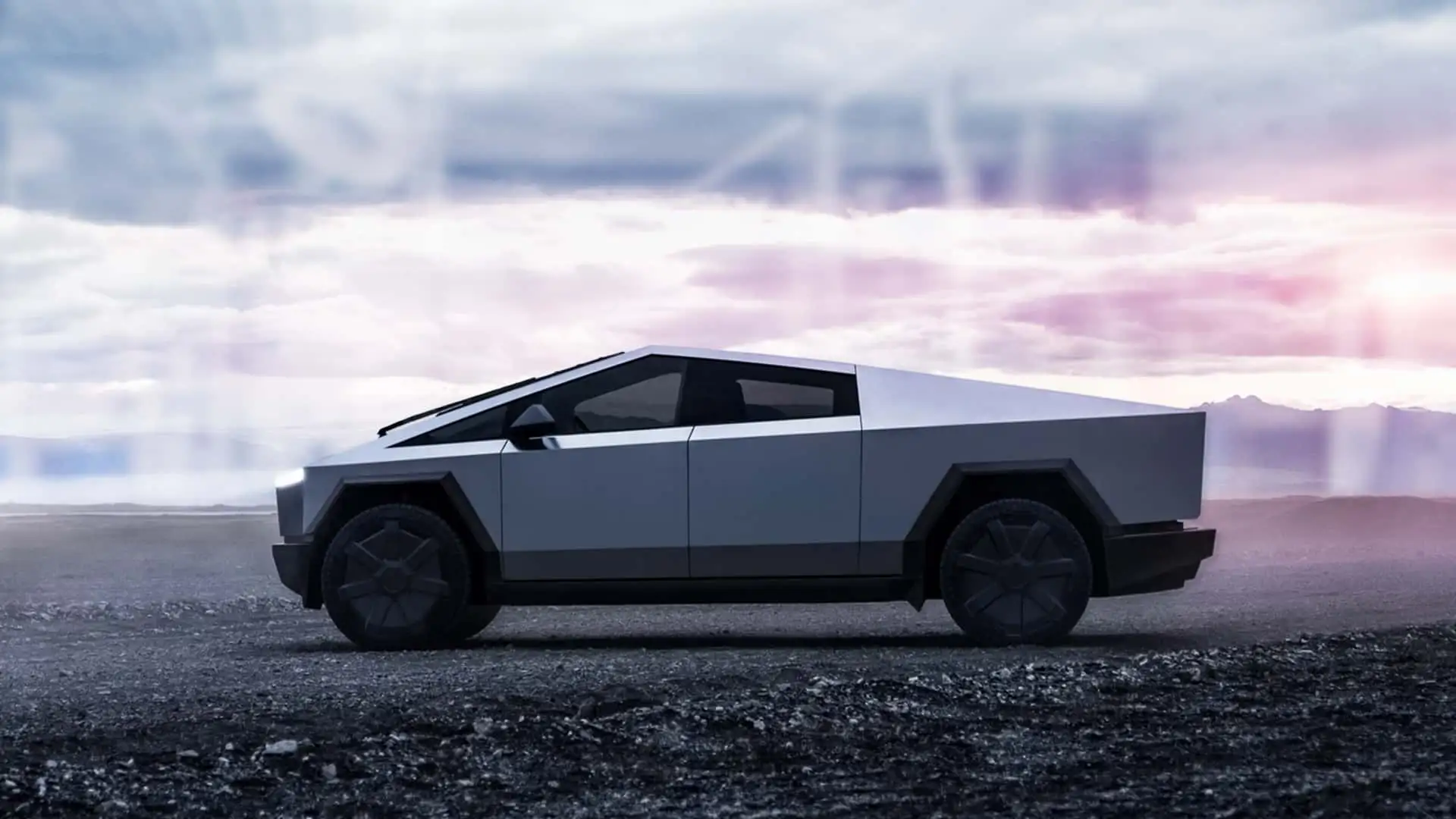
- Cybertruck sales plunged 32% year-over-year to just 7,263 units in H1 2026, as steep price hikes and negative buzz fuel talk of a historic flop.
Tesla Dominates Shrinking Market
Even as overall EV sales contract and rivals retreat, Tesla’s grip on the U.S. market tightens, with Model Y’s surge masking sharp declines elsewhere.
By early 2026, Tesla managed to increase its U.S. EV market share to 54.2% in Q1 despite an 8% drop in its own sales, a feat largely attributable to a sharper contraction in the overall EV market. This resilience was bolstered by industry-wide headwinds such as the expiration of federal tax credits and regulatory shifts, which led many automakers to scale back EV investments, indirectly reinforcing Tesla's dominant position even without new model launches.
Tesla’s Model Y emerged as the linchpin of its market strength, with a 22% sales increase accounting for 67% of Tesla’s total sales, effectively offsetting steep declines in the Model 3 and Cybertruck, which fell nearly 40% and 45% respectively. This concentrated success in the Model Y helped Tesla maintain a commanding presence amid a shrinking and challenging EV landscape.
By mid-2026, Tesla’s market share surged to over 60% even as the U.S. EV market continued its contraction, marked by nine consecutive months of declining registrations and an 11% drop in June to just over 100,000 vehicles. While legacy rivals suffered a combined 31% plunge in registrations, Tesla’s relative strength highlighted its ability to dominate a shrinking market, with June’s registration numbers hinting at a potential stabilization after a prolonged downturn.


Growth Stalls Amid Product Drought
Tesla’s failure to launch new models leaves factories underused and sales momentum flat, as autonomy ambitions take priority over fresh vehicles.
By mid-2026, Tesla's electric vehicle growth has clearly stagnated, largely due to an aging product lineup with few new launches to invigorate demand. Key models like the Model 3 and Cybertruck saw steep sales declines of nearly 40% and 45% respectively, while the Model Y, benefiting from a 22% sales increase and accounting for 67% of Tesla's sales, remains the company's primary growth driver amid a shrinking overall EV market.
Tesla's production is operating well below its installed capacity of over 2.375 million units annually, with Q2 2026 output at just 451,758 vehicles, projecting roughly 1.8 million for the year—significantly underutilizing its manufacturing potential. This underperformance signals demand constraints rather than supply issues, exacerbated by the delayed launch of a cheaper next-generation vehicle that was anticipated to spark a new growth wave but remains absent more than two years later.
Elon Musk's strategic pivot toward autonomy and robotics has diverted Tesla's focus away from expanding its passenger vehicle lineup, contributing to the company's stalled delivery momentum. Market analyses and shareholder updates describe Tesla as 'between two major growth waves,' with the current lull reflecting a shift in priorities that has delayed new vehicle introductions and impacted the company's historic trend of rapid EV delivery growth.
Long Waits for Base Models
Waitlists for Tesla’s most affordable trims now stretch into 2027, exposing a deep mismatch between surging demand and limited production.
Tesla is grappling with a pronounced demand-supply imbalance, particularly for its base Model 3, Model Y, and Cybertruck configurations, where delivery wait times have stretched into 2027. This bottleneck underscores the intense consumer appetite for Tesla's more affordable offerings, which outpaces the company's current production capacity and inventory levels.
In contrast, higher-spec versions of Tesla’s vehicles enjoy markedly shorter delivery windows, often just weeks or a few months, highlighting a strategic production and inventory focus that favors premium configurations. Additionally, buyers seeking quicker access might find inventory vehicles available sooner depending on geographic location, illustrating a nuanced supply dynamic that balances demand across different trims and markets.
Cybertruck: Price Hikes Backfire
Steep price increases and controversial design choices have slashed Cybertruck sales, fueling talk of a flop despite millions of reservations.
Tesla's repeated price hikes for the Cybertruck, including a $5,000 increase in August 2026 that pushed the entry-level Dual Motor AWD model to $74,990, starkly contrast with the vehicle's initial $40,000 projected starting price and the brief $59,990 introductory offer. Despite over two million reservations and ambitious production targets of 250,000 units annually, actual sales have been disappointing, with only an estimated 7,263 units sold in the first half of 2026—a 32% year-over-year decline—highlighting a disconnect between demand and Tesla's pricing strategy.
The Cybertruck's market reception has been hampered not only by pricing but also by its polarizing design, quality concerns, and the negative impact of Elon Musk's political controversies, leading Bloomberg to speculate it could eclipse the Ford Edsel as the biggest automotive flop. This unfavorable perception, combined with Tesla's decision to raise prices amid a 94% shortfall in sales relative to planned capacity, signals a strategic pivot from volume-driven growth to maximizing revenue per unit, a notable departure from Tesla's original promise of an affordable electric truck.
Tesla's pricing strategy has further compressed the Cybertruck lineup, with the Premium AWD trim now priced at $84,990—just $15,000 less than the top-tier Cyberbeast model—potentially narrowing consumer choice and diluting perceived value. This pricing compression coincides with a sharp decline in US sales, where quarterly figures dropped 45.1% year-over-year to 3,519 units in Q1 2026, and annual sales fell from 39,000 units in 2024 to 20,200 in 2025, suggesting that escalating prices may be dampening broader consumer demand.