Texas data center freeze hits grid, revenue
The gist
Texas just hit pause on nearly 50 GW of new data centers, freezing a fifth of the U.S. market and putting billions in AI-fueled growth at risk.
What to know
- Governor Greg Abbott’s moratorium has stalled almost 50 GW of Texas data center projects—about 20% of the entire U.S. pipeline.
- Delays could cost $8–15 billion by 2027, with up to 60% of that capacity tied to lucrative AI data centers.
- ERCOT and utilities are scrambling, tightening audits and pushing developers toward off-grid solutions as grid congestion and regulatory uncertainty spike.
Winners, Losers, and AI Fallout
Texas’s data center freeze is redrawing the industry map, favoring well-funded players and pushing others toward off-grid power as billions in high-value AI projects hang in the balance.
Governor Greg Abbott's moratorium on new data center grid interconnections in Texas has effectively frozen approximately 49.8 to 50 GW of projects, representing nearly 20% of the entire U.S. data center development pipeline. With Texas accounting for about 90% of the 474 GW interconnection queue in ERCOT, where data centers dominate, this pause puts a substantial portion of the nation's data center expansion on hold, underscoring Texas's pivotal role in the industry’s growth trajectory.
The moratorium is projected to cause significant delays that could translate into multi-billion-dollar revenue losses, with BloombergNEF estimating potential cumulative costs ranging from $8 billion to $15 billion by early 2027. These losses are particularly acute given that a large share—up to 60% or more—of the delayed capacity is AI-related, which commands premium leasing rates and rapid deployment timelines, intensifying the financial strain on developers and investors alike.
This regulatory pause is reshaping the competitive landscape, creating a divide between well-capitalized developers who have secured interconnections and speculative projects now facing heightened uncertainty and financial risk. As Mark McNees observes, the moratorium acts as a market filter, potentially weeding out projects that are primarily on paper, while accelerating a strategic pivot toward behind-the-meter power generation solutions—exemplified by Meta’s 1 GW data center near El Paso utilizing an on-site natural gas plant—which could alter both the economics and environmental footprint of Texas data centers.
Grid Bottlenecks Hit Breaking Point
A tidal wave of speculative data center requests is overwhelming Texas’s grid, forcing regulators to halt new connections and utilities to rethink infrastructure as reliability risks and costs mount.
Texas faces unprecedented grid congestion with ERCOT processing over 1,800 large-load interconnection requests totaling approximately 474 gigawatts—more than five times the state's all-time peak load—with about 90% attributed to data centers. This overwhelming queue has prompted Governor Greg Abbott to impose a moratorium and order a comprehensive audit of all data center projects to safeguard grid reliability by filtering out speculative or unviable proposals that risk clogging the interconnection pipeline and exposing residents to higher costs or power disruptions.
The moratorium reflects a broader recognition among key transmission utilities like Oncor, whose parent company Sempra publicly supports the pause, that the current interconnection pipeline is unsustainable and demands a critical reassessment of infrastructure and operational strategies. This shift underscores the urgent need for interregional transmission projects and stronger coordination between grid operators, as highlighted by the Department of Energy’s National Transmission Needs Study, to alleviate bottlenecks that cost the U.S. grid an estimated $12 billion in 2024 alone.
Operational challenges are further compounded by regulatory actions such as the Public Utility Commission of Texas’s emergency curtailment obligations on co-located data centers, reflecting acute grid constraints that extend beyond the moratorium itself. ERCOT’s suspension of the Batch Zero classification process and delays in interconnection study deadlines reveal the depth of bottlenecks caused by both the overwhelming queue and intensified regulatory scrutiny, forcing transmission operators to recalibrate investment and operational priorities amid ongoing uncertainty.
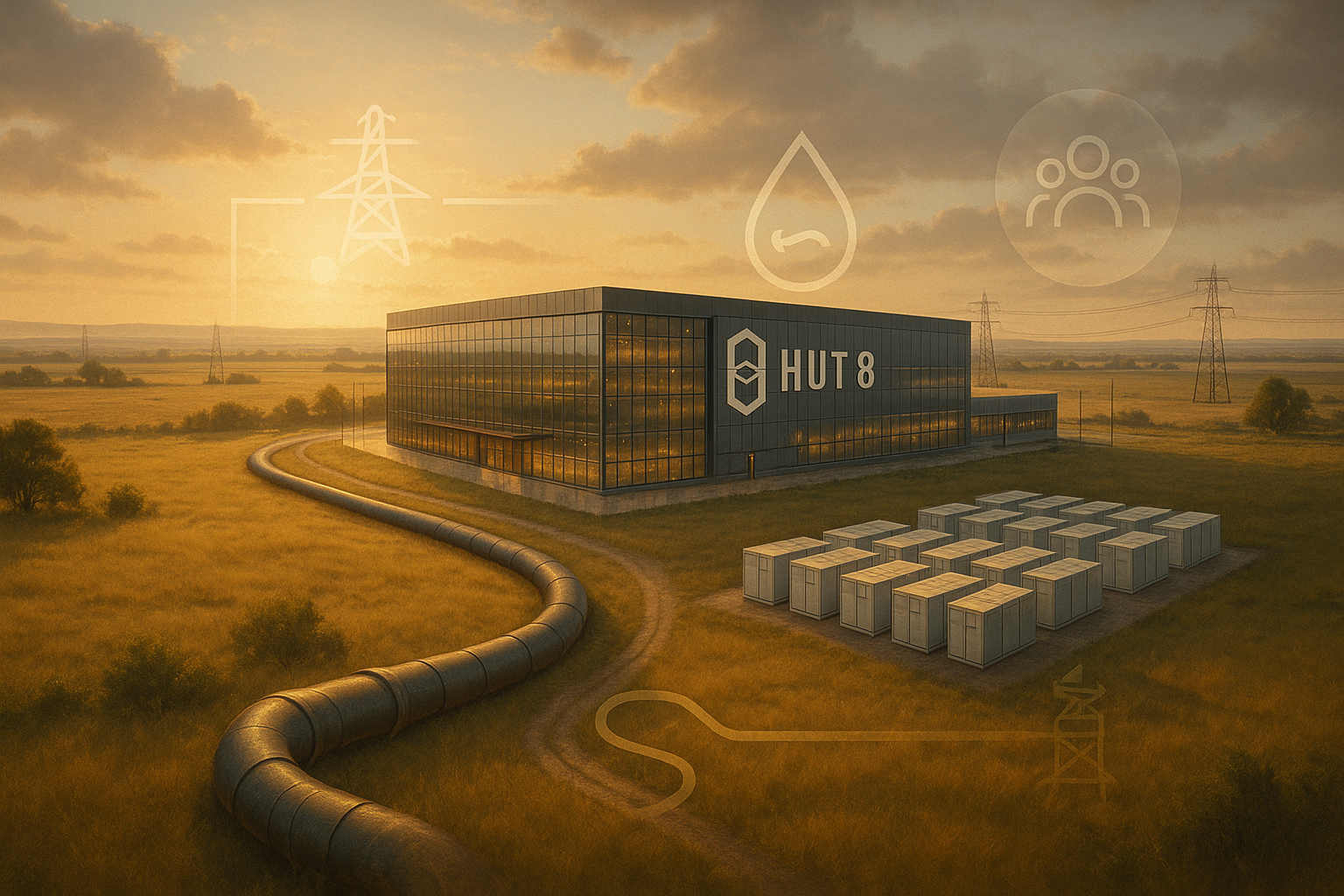
The audit mandated by Governor Abbott aims to prioritize viable data center projects by requiring detailed disclosures on financial assistance, electricity use, on-site generation, water consumption, cooling technologies, and community impact mitigation. This rigorous vetting process is designed to thin out weaker or speculative proposals—many of which involve companies reserving multiple sites as hedges or before securing financing—thereby improving grid management and enhancing long-term reliability without necessarily halting the largest, most prepared data center developments.

Audits and Off-Grid Pivots Surge
Sweeping audits and stricter requirements are delaying projects and driving a surge in off-grid solutions, as utilities and developers scramble to adapt to new regulatory realities and queue chaos.
Transmission utilities such as ERCOT are grappling with significant regulatory uncertainty following Governor Abbott's directive to audit all data center interconnection projects, which has led to the postponement of critical transmission planning activities including the Batch 0 Transmission Planning Study. This delay disrupts established timelines, pushing back key milestones like the August 7th classification notices and potentially extending through November, thereby complicating investment decisions and operational planning amid a surge of over 430 gigawatts of interconnection requests.
The audit process imposes extensive new disclosure and verification requirements—ranging from detailed electricity consumption forecasts and on-site generation plans to water use and community impact assessments—that front-load interconnection risk and compel utilities and developers to recalibrate their operational strategies. ERCOT treats successful audit completion and Public Utility Commission approvals as prerequisites for energization, financing draws, and major procurement, reflecting a strategic shift to manage grid congestion and ensure compliance in an environment marked by a massive 474 GW interconnection queue, 90% of which is data center-related.
In response to the moratorium and audit-induced delays, transmission utilities are incorporating project-specific covenants emphasizing power supply flexibility, water-efficient cooling technologies, and community impact mitigation to align with evolving policy goals and manage grid constraints. Concurrently, there is a growing strategic pivot toward accommodating behind-the-meter and off-grid generation, with over 20 GW of such capacity announced for 2024–2025, enabling some developers to bypass queue delays and alleviate operational bottlenecks amid the regulatory morass.
