The onion flips InfoWars script: satire, justice, and human creativity take center stage in AI-soaked media war
The gist
The Onion has hijacked InfoWars, flipping a notorious disinformation engine into a satirical livestream that fights fake news with real-time wit and human creativity—no AI allowed.
What to know
- The Onion now hosts weekly satirical broadcasts on the former InfoWars platform, using live engagement to confront media mistrust and disinformation head-on.
- Over $100,000 from themed merch sales is being donated to Sandy Hook families, mixing sharp satire with social responsibility amid ongoing legal battles.
- Rejecting AI-generated content, The Onion is betting on authentic storytelling, subscription models, and viral marketing to stand out in an era of algorithm-fueled outrage and media fatigue.
Satire Reclaims Disinformation
The Onion’s legal and creative gambit transforms InfoWars from a hub of conspiracy into a live, philanthropic satire engine directly tackling media mistrust and weaponized narratives.
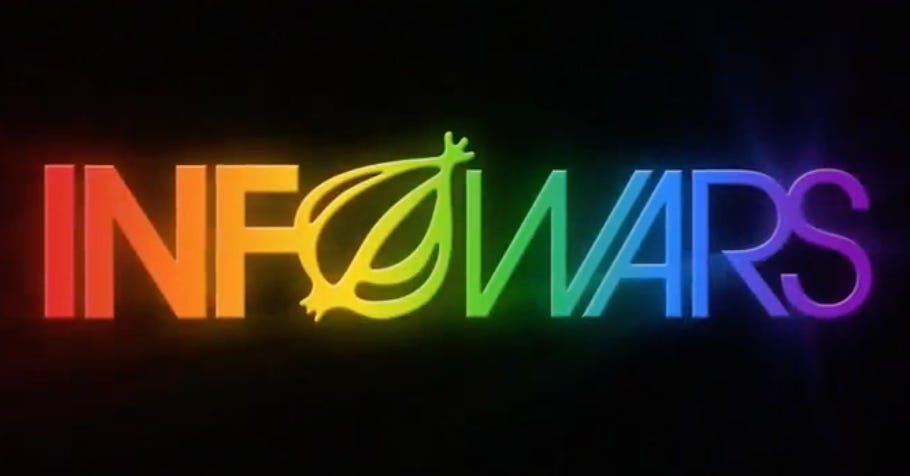
The Onion’s acquisition and relaunch of InfoWars marks a bold strategic pivot that transforms a notorious disinformation hub into a cutting-edge satirical livestream platform. By scheduling weekly broadcasts every Thursday at 8 p.m. across multiple video platforms, CEO Ben Collins emphasizes their 'grand designs' to innovate satire through real-time engagement, directly confronting media mistrust and disinformation in a polarized digital landscape. This approach not only reinvents satire’s format but also positions The Onion at the forefront of addressing contemporary media crises through humor.
Navigating complex legal battles, including Judge Lopez’s nullification of the 'deeming order' and multi-court litigations, The Onion demonstrated unwavering commitment to reclaiming and repurposing the InfoWars brand despite significant pushback. Their contingent bid victory to acquire the IP underscores a strategic willingness to confront legal hurdles head-on, reflecting a brand philosophy that prioritizes satirical engagement and social impact over conventional media constraints. This legal perseverance enables The Onion to transform a toxic legacy into a platform for critical media commentary.
The Onion’s relaunch innovatively blends satire with social responsibility by channeling over $100,000 from rainbow-colored InfoWars merchandise sales to Sandy Hook families, intertwining ethical accountability with brand strategy. This move elevates satire beyond entertainment into a tool for justice, as seen in their original programming that parodies Alex Jones’ old show while directly addressing the harm caused by disinformation. Such integration of philanthropy and provocative content exemplifies The Onion’s mastery of authentic brand positioning without resorting to parody disclaimers, resonating with audiences craving genuine social critique.
Looking ahead, The Onion envisions InfoWars evolving through multi-phase satire that initially lampoons conspiracy culture before expanding into a broader comedy network supported by subscription-based streaming infrastructure. As Tim Heidecker explains, this phased approach leverages new digital formats and authentic casting—such as hiring former reporters like Brad Holbrook—to blur lines between parody and reality, enhancing comedic impact. By embracing social media virality, experiential marketing, and reactive content that riffs on current technological trends, The Onion is redefining satire’s role amid AI disruption, political polarization, and widespread media mistrust.



AI’s Erosion of Trust
A tidal wave of AI-generated content is undermining reader confidence and incentivizing low-effort misinformation, forcing media to urgently defend human authorship and transparency.
The rise of AI-generated content poses a dual-edged challenge to journalism and satire, as exemplified by a UK journalist producing 110 AI-assisted articles in a single day, raising alarms about content volume overshadowing quality and trust. Max Spero of Pangram highlights a breakdown in the traditional writer-reader social contract, warning that AI's ability to bypass the effort of idea formulation incentivizes the spread of low-effort 'slop,' thereby eroding the value and credibility of human-authored work.
Transparency in AI authorship emerges as a critical ethical imperative to maintain audience trust, with Tom Rachman emphasizing that undisclosed AI use constitutes deceit that offends readers. Moreover, AI's weaponization by bad actors—such as replacing Russian troll farms with scalable AI-driven disinformation campaigns—underscores the urgent need for provenance verification to safeguard media integrity in an era where AI-generated content can amplify political agendas at unprecedented scale.
The current internet business model, heavily reliant on traffic driven by outrage and low-quality content, is increasingly unsustainable amid AI disruption, as noted by Cloudflare's CEO who advocates for a shift toward value-driven media prioritizing truth and filling knowledge gaps. This transition is underscored by a staggering 187% growth in AI bot traffic in 2025 versus only 3.1% human traffic growth, signaling a restructuring of web dynamics where AI-powered answer engines bypass traditional click-based exchanges, challenging publishers to innovate around human authenticity and distinctive voices to retain audiences.
Despite AI's rapid advancement in automating commodity news and generating high-quality digital avatars, industry leaders including The Onion and journalists like Ben Smith stress the irreplaceable value of human authenticity, creativity, and personal credibility in journalism and satire. Fernando Machado warns that unchecked generative AI risks homogenizing marketing content and eroding brand differentiation, while The Onion explicitly rejects AI-generated content as a 'flattening force' that diminishes discourse quality, underscoring a strategic commitment to human-driven brand identity amid AI saturation.





Independent Media Under Siege
Political and algorithmic forces are squeezing independent journalism, as polarization, targeted attacks, and digital echo chambers threaten the scrutiny and plurality vital to democracy.
Independent journalism is under intensified assault from political forces aiming to suppress dissent and narrow the marketplace of ideas, as evidenced by the Trump White House's publication of a 'media offenders' list targeting critics not for factual errors but for their independence. This authoritarian impulse to restrict access and reduce media plurality threatens the democratic scrutiny essential for a healthy society, underscoring the vital role that independent voices play in preserving accountability amid rising political polarization.
Digital platforms and their algorithmic recommendation engines exacerbate political polarization by prioritizing emotionally charged content that maximizes engagement, creating echo chambers that deepen public mistrust in media. As highlighted in 'Pay Attention,' these outrage cycles reward sensationalism over thoughtful analysis, while media CEOs express deep concern that such algorithm-driven feeds erode public understanding of the value of high-quality independent journalism, complicating efforts to maintain an informed citizenry.
The growing mistrust toward Silicon Valley’s AI community mirrors the broader crisis of confidence in influential tech and media sectors, producing a polarized landscape where technological advancements evoke both admiration and skepticism. Chamath Palihapitiya describes this as 'a tale of two cities,' reflecting how digital disruption and political divisions complicate independent journalism’s mission to navigate these tensions and provide credible, unfiltered accountability.
Media leaders emphasize the urgent need to defend independent journalism and intellectual property rights to ensure undeterred, legally protected reporting that serves the public interest. They advocate for a shift away from sensationalism toward solution-oriented journalism that offers hope and actionable steps, which can help counteract media fatigue and polarization. Furthermore, as AI-driven information tools become pervasive, the availability of high-quality, independently produced, and verified information is paramount to sustaining a healthy democracy where citizens can discern truth amid complexity.




Human Creativity as Brand Strategy
The Onion is betting on real people and original satire—eschewing AI and leveraging fan-powered models—to build trust and stand out in a landscape flooded with synthetic content.
In an era where AI saturation threatens to homogenize brand marketing, The Onion distinguishes itself by doubling down on authentic human storytelling and creative authenticity, deliberately rejecting AI-generated content to preserve nuanced discourse and a distinct satirical voice. This approach aligns with industry warnings from leaders like Chipotle's Fernando Machado, who cautions that unchecked generative AI risks creating a 'wind tunnel' effect that commoditizes brand differentiation, underscoring the critical value of trust-building and genuine human relationships in PR and brand strategy amid a shrinking media landscape.
The Onion is innovating its brand strategy through a multifaceted model that combines fan-funded subscriptions and a white-label creative agency, enabling monetization of brand partnerships without compromising editorial integrity. This human-driven creative approach leverages its signature razor-sharp satire to engage both legacy and Gen Z audiences via provocative content, social media virality, and experiential marketing, effectively rewriting the media playbook in a complex landscape grappling with AI disruption and political polarization.
By relaunching InfoWars as a satirical platform evolving from direct parody into a broader comedic network, The Onion embraces new digital formats such as independent streaming sites and subscription models to expand its comedic reach beyond traditional boundaries. Tim Heidecker emphasizes this human-driven creative vision, highlighting the involvement of diverse young creators who use technology innovatively while mocking AI’s limitations to build audience trust and offer a 'calming presence' amid widespread media mistrust and AI anxiety.