Toyota’s EV surge sparks culture shift amid fierce rivals
The gist
Toyota is charging into the EV fast lane, posting triple-digit sales growth, billion-dollar U.S. investments, and a dramatic cultural reboot to outpace Tesla and China’s EV juggernauts.
What to know
- Toyota’s U.S. EV sales soared 136% in H1 2026, making it the nation’s fourth-largest EV seller with nearly 22,000 units moved.
- The automaker is dropping almost $1 billion on Kentucky and Indiana plants to roll out three new BEVs in 2026, including the compact Urban Cruiser and an upgraded bZ4X.
- Chairman Akio Toyoda is spearheading a company-wide transformation, with the next-gen all-electric Corolla leading Toyota’s no-turning-back pivot to electrification.
Toyota’s EV Lineup Expands
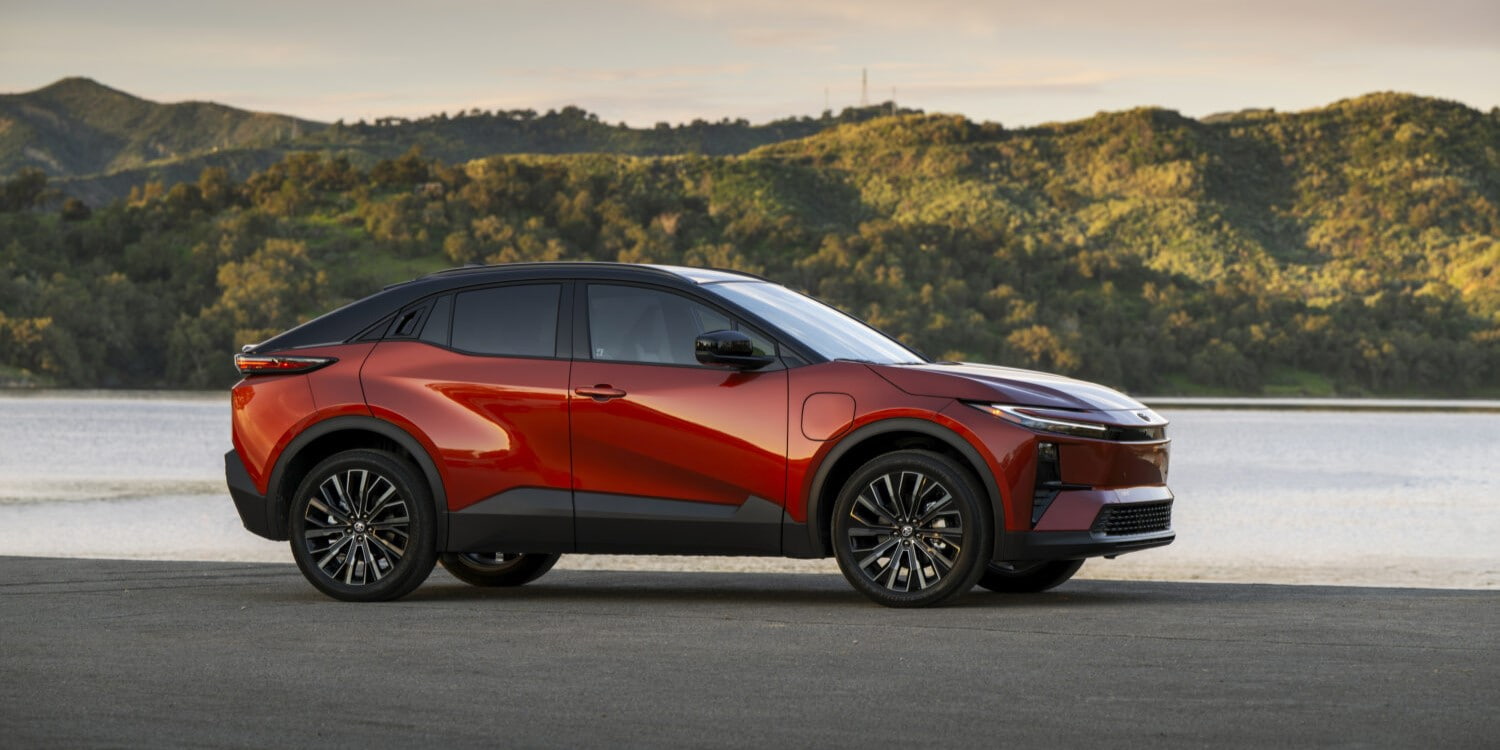
Toyota shook off its hybrid-only image in 2026, launching a trio of new EVs—including the all-electric C-HR—at competitive price points and with major improvements that finally put it ahead of lagging rivals.
By early 2026, Toyota expanded its electric vehicle lineup with the launch of the all-electric C-HR hatchback, priced at $38,135 for the base SE trim. While this price exceeded some expert predictions of $25,000–$30,000, it remained competitive by staying below the average transaction price for new vehicles and most EVs. The C-HR rounded out Toyota’s recent trio of electric offerings, which included the all-electric Highlander SUV and updates to the bZ Woodland wagon, signaling a strategic broadening of its EV portfolio beyond its traditional hybrid focus.
After years of criticism for its slow EV adoption and hybrid-centric strategy, Toyota made a decisive push in early 2026 by launching four new competitive electric vehicles to catch up in the rapidly evolving EV market. Notably, the 2026 bZ4X model addressed the shortcomings of its problematic predecessor with a 25% longer range and faster charging capabilities, contributing to strong early sales that outpaced rivals like GM’s Chevy Equinox EV in Q1 2026. This shift underscores Toyota’s commitment to shedding its laggard reputation and establishing a more formidable presence in the electric vehicle arena.


Breaking Into the Top Four
Toyota’s revamped EV models and aggressive market push catapulted it into the U.S. top five, with sales surges outpacing Ford and GM and its bZ SUV outselling entire competitor lineups.
By the first half of 2026, Toyota's electric vehicle sales in the U.S. had more than doubled compared to the same period in 2025, reaching nearly 22,000 units sold—a remarkable 136% increase. This surge was largely fueled by the expanded availability of new models such as the bZ Woodland and C-HR, which complemented the existing bZ crossover lineup and enhanced Toyota's appeal in the competitive EV market.
Toyota's strategic enhancements to its EVs, including a mild refresh of the BZ4X that boosted range by 25% and introduced NACS as standard, significantly elevated its market position. This helped the BZ model leap from not even ranking in the top ten EVs in early 2025 to surpassing last year's number three champion by Q1 2026, underscoring rapid sales growth and improved consumer interest.
The rapid sales momentum propelled Toyota into the top five EV sellers in the U.S. by mid-2026, with a 225% sales surge in Q2 alone and a 4.7% market share that placed it fourth behind Tesla, Chevrolet, and Hyundai. Notably, Toyota's electric SUV, the 2026 bZ, ranked as the fourth-best-selling EV in the country, outselling key competitors like the Chevrolet Equinox EV and the entire Ford EV lineup, signaling Toyota's emergence as a formidable player in the American EV landscape.
Billion-Dollar U.S. Bet
Toyota’s nearly $1 billion investment in Kentucky and Indiana plants marks a high-stakes gamble on U.S. EV manufacturing, even as it carefully balances electrification with strong gas and hybrid demand.
Toyota is making a bold push into electric vehicle production in the U.S., committing nearly $1 billion to its Kentucky and Indiana plants, with Kentucky becoming a hub for battery electric vehicle (BEV) manufacturing. This investment underpins Toyota’s strategy to expand its EV lineup aggressively, introducing three new BEV models in 2026—including the compact Urban Cruiser SUV, the C-HR+, and an updated bZ4x—positioning the company to accelerate even as the broader EV market shows signs of slowing.
The 2027 Highlander EV, Toyota’s first U.S.-manufactured electric SUV, represents a significant milestone in both production and model expansion, boasting up to 320 miles of range, 338 horsepower, and bidirectional charging capabilities. However, its launch has been delayed to allow for further refinements, a move influenced by the unexpectedly robust demand for the existing gas and hybrid Highlander models, highlighting Toyota’s cautious yet strategic balancing act between electrification and sustaining its combustion engine sales.
Looking ahead, Toyota plans to transition the Highlander nameplate to an EV-only lineup starting in 2027 by discontinuing gas and hybrid versions, while continuing to offer the combustion-powered Grand Highlander. This nuanced approach underscores Toyota’s commitment to electrification without abruptly abandoning its traditional powertrains, reflecting a pragmatic strategy to navigate evolving consumer preferences and market dynamics.


Zero Carbon, No Matter What
Toyota is sticking to its global zero-emissions roadmap through 2050, maintaining electrification momentum despite dramatic U.S. policy reversals and regulatory uncertainty.
Despite the Trump administration's repeal of the EPA's greenhouse gas emissions endangerment finding, which effectively removes the federal scientific basis for emissions standards, Toyota remains steadfast in its global commitment to achieving zero carbon emissions by 2050. This long-term vision transcends U.S. regulatory fluctuations and is reflected in strategic decisions made years earlier, such as the electrification of the Highlander nameplate. Toyota’s approach ensures it maintains a presence across all vehicle segments, including electric vehicles, even if current EV volumes remain modest.
Toyota’s relatively muted public response to the EPA repeal contrasts with other automakers and underscores its global outlook and strategic patience. As the world’s largest automaker, producing around 10 million vehicles annually for diverse international markets, Toyota prioritizes a broad, long-term perspective over reacting to short-term U.S. policy shifts. This global stance enables the company to navigate regulatory uncertainty while steadily advancing its zero carbon goals.

Crisis Spurs Culture Shift
Facing fierce pressure from Tesla and BYD, Toyota’s leadership declared a sense of crisis, making the next-gen Corolla EV a symbol of its urgent internal reinvention and break from incrementalism.
By mid-2026, Toyota was undergoing a profound cultural transformation fueled by a palpable sense of crisis, as acknowledged by Chairman Akio Toyoda who remarked on the urgency to reinvent the company amid intensifying competition from Tesla and Chinese automakers like BYD. This internal reckoning was vividly embodied in the development of the next-generation Corolla EV, which, built on a versatile new platform, became a flagship project symbolizing Toyota’s commitment to innovation and electrification—a clear departure from its traditional incremental improvement approach.
Toyota’s candid admission that it 'cannot survive' by clinging to traditional methods underscored the high stakes driving its strategic pivot, with the next-gen Corolla EV emerging from a 'top-secret' development site as a tangible manifestation of this urgency. Engineers openly acknowledged losing ground to Chinese competitors, highlighting the Corolla EV not just as a new model but as a cultural touchstone representing Toyota’s accelerated push for flexibility and faster development cycles to reclaim its competitive edge.
Iconic Corolla Goes Electric
The all-electric Corolla’s launch embodies Toyota’s urgent push to modernize, as the company races to catch up with rivals’ digital prowess and admits its old strategies can’t sustain market leadership.
By mid-2026, Toyota's strategic pivot toward full electrification is epitomized by the upcoming launch of a next-generation all-electric Corolla, signaling a bold reinvention of one of its most iconic models to secure relevance in the evolving EV market. However, this shift comes amid mounting pressure from Tesla and nimble Chinese competitors who have redefined consumer expectations around software integration, charging convenience, and continuous digital updates—areas where Toyota’s traditional incremental improvement approach is proving insufficient.
Toyota Chairman Akio Toyoda’s candid admission on NHK of a 'considerable sense of crisis' within the company underscores the urgency driving a cultural transformation aimed at accelerating development cycles and embracing greater flexibility. This internal reckoning reflects Toyota’s recognition that maintaining its market leadership in a rapidly innovating landscape requires shedding legacy mindsets and adapting swiftly to the disruptive forces reshaping the automotive industry.