Trump-xi summit tests managed rivalry
The gist
A fragile peace emerged from the Trump-Xi summit, but unresolved rifts over Taiwan and rare earths keep U.S.-China rivalry on a knife’s edge.
What to know
- Trump and Xi agreed to limited trade deals—including 200 Boeing jets and $17B a year in U.S. farm goods—plus new boards to manage economic tensions.
- Taiwan remains the flashpoint, with Xi warning mishandling could spark conflict and U.S. hesitation over arms sales rattling Taipei.
- China’s stranglehold on rare earth minerals and naval expansion shifts power toward parity, leaving Washington exposed and global markets wary.
Stalemate, Not Breakthrough
The Trump-Xi summit entrenched a new era of managed rivalry, where mutual restraint, institutionalized dialogue, and ambiguous red lines define a tense but necessary coexistence.
The Trump-Xi summit epitomizes a strategic stalemate marked by cautious diplomacy and mutual constraints rather than breakthrough agreements, signaling a shift toward a new paradigm of 'constructive strategic stability.' This framework, emphasized by Xi Jinping and highlighted by analysts like Ali Wyne and Wu Xinbo, reflects a managed competition where both powers acknowledge their interdependence and the necessity of coexistence, moving away from zero-sum perceptions toward parity, resilience, and mutual restraint. As Wu Xinbo noted, the summit's central political outcome was the establishment of mechanisms to promote cooperation, manage competition, and contain differences, underscoring the importance of sustained dialogue and institutionalization to preserve peace amid unavoidable rivalry.
China’s growing leverage, particularly through its control over critical minerals and rare earth supplies, has fundamentally altered the power dynamics with the United States, compelling Washington to engage with Beijing as a more equal partner. This shift is exemplified by China’s dominance in shipbuilding capacity—with over 370 naval vessels compared to the U.S. Navy’s projected 287—and its strategic use of export controls, which have placed the U.S. on the back foot. However, possessing these choke points is insufficient without sustained political will, a challenge compounded by U.S. domestic polarization and political tensions that undermine its ability to maintain a long-term strategic competition, as noted by analysts reflecting on Trump’s more conciliatory tone and the summit’s relaxed atmosphere.
While the summit avoided direct confrontation on contentious issues such as Taiwan arms sales and technology restrictions, this ambiguity contributes to a delicate balance that may raise escalation risks. As Henrietta Levin observed, ambiguous signals on Taiwan and regional commitments could invite Chinese tests and weaken U.S. leverage in future crises. Both sides appear to view cooperation as weakness and dominance as the goal, resulting in limited tangible outcomes and a dynamic defined more by suspicion and mutual vulnerability than partnership. Nonetheless, dialogue on shared global risks like AI and cybersecurity remains a priority, albeit with guarded diplomacy to protect sensitive knowledge and strategic interests.
Chinese analysts widely interpret the summit as marking a historic milestone that may surpass Nixon’s 1972 visit in reshaping international relations, framing it as the opening of a 'new paradigm' characterized by strategic stalemate and managed competition. This détente is tactical, granting Beijing 'time and space' while providing Washington 'breathing space,' reflecting mutual constraints amid systemic uncertainties and domestic political risks. However, optimism is tempered by concerns over implementation risks, future U.S. administrations, and alliance dynamics, underscoring the fragility beneath the veneer of strategic stability and the critical importance of managing flashpoints like Taiwan to sustain peace.




Trade Truce, Strategic Tensions
Behind modest trade deals and new oversight boards, both sides treat commerce as a security issue, cementing a transactional détente while deeper structural rifts persist.
The Trump-Xi summit marked a cautious but deliberate recalibration of US-China economic relations, highlighted by limited trade agreements including China's commitment to purchase 200 Boeing aircraft and at least $17 billion annually in U.S. agricultural products through 2026-2028. These deals, while falling short of initial expectations—such as Boeing's shares dropping 3.8% after the announcement of a smaller-than-anticipated plane order—reflect a pragmatic approach to sustaining key American industries like aerospace and agriculture amid persistent strategic rivalry. The establishment of new bilateral bodies, namely the U.S.-China Board of Trade and Board of Investment, signals a structured effort to manage ongoing economic competition and tariff tensions, with the tariff truce extending for 90 days though details remain preliminary and contested.
Both the United States and China increasingly frame trade and technology as matters of national security rather than purely economic issues, which tempers the scope of agreements and fosters a transactional diplomacy focused on risk management rather than strategic resolution. This shift is evident in the summit’s limited commercial deals that avoided contentious topics like Taiwan, chip export restrictions, and rare earth minerals access, underscoring the enduring structural tensions beneath the surface. Nonetheless, the summit’s cautious optimism is buoyed by mutual recognition of economic interdependence and resilience, with China’s control over critical rare earth minerals remaining a leverage point despite U.S. efforts to diversify supply chains.
The summit also reflected a nuanced divergence in priorities: while Washington emphasized immediate business outcomes such as Boeing sales, soybean purchases, and rare earths access, Beijing focused on longer-term structural reforms including tariff reduction and expanded investment access for Chinese companies in the U.S. This dual-track approach, supported by the presence of major U.S. executives like Nvidia’s Jensen Huang and Elon Musk, highlights China’s role not only as a vast market but as an indispensable supply chain and regulatory partner. As Wu Xinbo noted, despite geopolitical concerns, U.S. business leaders remain optimistic about China’s economic resilience and market opportunities, anticipating a stabilization or even gradual improvement in bilateral trade relations.




Taiwan and Minerals: Pressure Points
Xi’s uncompromising stance on Taiwan and China’s rare earth dominance expose U.S. vulnerabilities, as ambiguous summit outcomes leave both security and supply chains on edge.
Taiwan remains the most intractable point of friction between the US and China, with Beijing demanding Washington halt arms sales and unequivocally oppose Taiwanese independence to preserve peace in the Taiwan Strait. Xi Jinping escalated rhetoric during the summit, warning that mishandling Taiwan could precipitate a clash or even conflict, framing the island as the 'red line of red lines' in bilateral relations. Meanwhile, Taipei fears that any rhetorical concessions or wavering U.S. support, such as President Trump's post-summit hesitation over a $14 billion arms package, would undermine morale and embolden Beijing’s pressure tactics, underscoring persistent security and diplomatic tensions. (Insights [1,4,5,8,9,11,19,22,23])
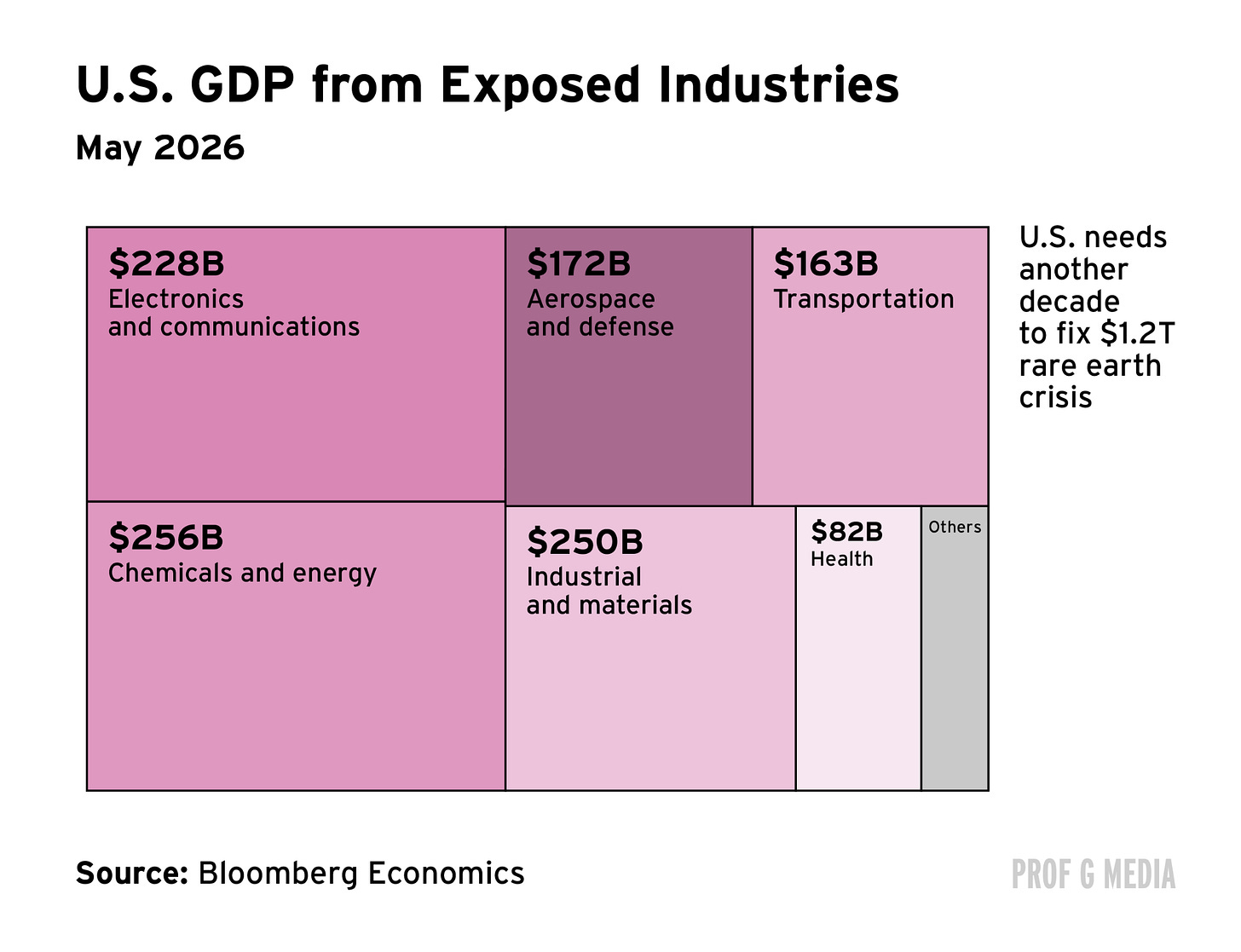
China’s strategic leverage over rare earth minerals remains a critical and unresolved vulnerability for the United States, despite Washington’s efforts to diversify supply chains through stockpiling, mining partnerships, and investments. The failure to extend the Busan rare earths agreement—a key truce on tariffs and mineral supply signed the previous year and set to expire in November—signals Beijing’s reluctance to concede on this front, leaving the US exposed amid munitions strains exacerbated by the Iran war. At best, the summit yielded only vague promises from China to address U.S. concerns, highlighting the enduring economic and security implications of China’s control over rare earth processing and magnet production. (Insights [2,3,6,7,10,13,14,15,16,17,18,21,24])
China’s Confident New Playbook
Emboldened by historic lessons and rising leverage, Beijing blends assertive diplomacy and selective engagement to shape a multipolar order where U.S. cooperation is no longer optional.
Chinese analysts widely interpret the Trump-Xi summit as a watershed moment marking a strategic stalemate characterized by managed competition and mutual recognition of power parity. Experts like Wu Xinbo emphasize that China’s newfound confidence and experience in dealing with Washington underpin this shift toward a “constructive China–U.S. relationship of strategic stability,” with Taiwan identified as the critical test for sustaining peace. This evolving framework moves beyond rivalry to institutionalize dialogue and cooperation mechanisms across trade, security, and diplomacy, reflecting a pragmatic balance between competition and collaboration.
Rooted in Xi Jinping’s strategic vision, which draws on historical lessons from Mao and the Soviet Union’s collapse, China pursues economic diversification and broad international partnerships to avoid vulnerabilities and assert its global stature. Analysts note Xi’s methodical leadership style balances reverence for Mao with pragmatic adjustments, fostering a China that is both more assertive and strategically confident. This vision aligns with the summit’s outcomes, including the establishment of the U.S.-China Board of Trade and Board of Investment, signaling a long-term commitment to sustained economic engagement rather than short-term transactional gains.
The summit’s diplomatic choreography and signaling reveal China’s growing leverage in global geopolitics, notably through its control over rare earth minerals and its nuanced handling of sensitive issues like Iran and Taiwan. By omitting contentious topics such as rare earths and Iran from official readouts, Beijing strategically withholds leverage while encouraging regional peace initiatives like the Abraham Accords. This approach underscores China’s role as an indispensable player in resolving complex global conflicts—from Ukraine to North Korea—highlighting a multipolar world order where China’s cooperation is essential for stability.
Chinese analysts perceive the summit as a signal of a broader geopolitical recalibration, with China capitalizing on the erosion of the post-World War II rules-based order to assert a new global framework that challenges U.S. dominance. The summit’s outcomes and subsequent high-level engagements, including Xi’s upcoming meeting with Vladimir Putin, reflect Beijing’s strategic vision to reshape international diplomacy and strengthen ties with key partners like Russia and Iran. This emerging G2 dynamic, as described by scholars like Sun Liping and Zheng Yongnian, suggests a historic pivot with far-reaching implications for global power structures.