Trump’s Iran gambit and immunity fund ignite GOP civil war, cracking open 2026 battlegrounds
The gist
Trump’s hardline Iran policy and $1.8 billion immunity fund have ignited a GOP civil war, paralyzing legislation and cracking open the 2026 battleground map.
What to know
- Trump’s $1.8 billion immunity fund for January 6 defendants sparked fierce backlash from GOP senators like Ted Cruz and Lindsey Graham, ultimately killing the proposal by mid-2026.
- Infighting over Trump’s Iran gambit and controversial endorsements—including Ken Paxton in Texas—has fractured the GOP, stalling key bills and alienating moderates.
- The rejection of Trump-backed Randy Feenstra in Iowa and GOP chaos in Texas are opening doors for Democrats in once rock-solid Republican states heading into the 2026 midterms.
Iran Gambit Fuels GOP Chaos
Trump’s aggressive Iran strategy and a controversial immunity fund triggered unprecedented GOP infighting, deepening party fractures and stalling key legislative agendas as economic and geopolitical turmoil escalated.
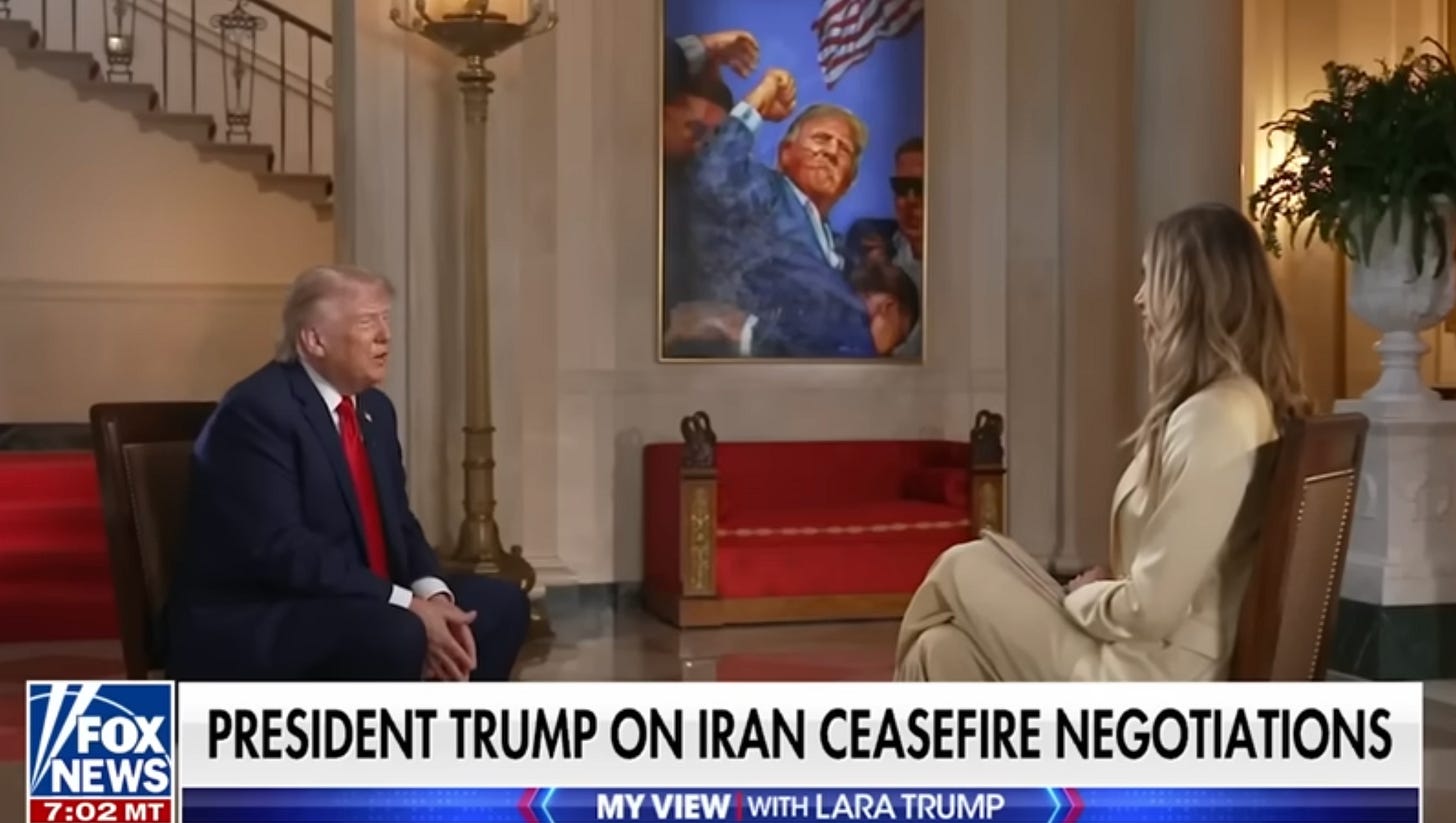
By early 2026, Trump’s aggressive foreign policy stance toward Iran, marked by escalating military tensions and economic sanctions, has plunged the GOP into unprecedented internal turmoil. The intensifying conflict has not only heightened geopolitical instability but also exacerbated soaring economic uncertainties, fueling fierce backlash within Republican ranks. This volatile mix has deepened party fractures, as factions clash over the strategic wisdom and domestic repercussions of Trump's Iran approach, undermining GOP unity at a critical juncture.
Compounding the discord, Trump’s controversial proposal of a $1.8 billion immunity fund tied to Iran-related operations has ignited a historic corruption firestorm, further exposing deep GOP divisions. Critics within the party decry the fund as a reckless political gambit that risks legislative paralysis amid soaring economic and geopolitical turmoil. This convergence of foreign policy aggression and contentious financial maneuvers has intensified internal conflicts, stalling Republican legislative agendas and reshaping intra-party dynamics ahead of the 2026 midterms.

Immunity Fund Sparks Revolt
A $1.8 billion legal defense fund for January 6 defendants fractured the GOP, sparked legislative paralysis, and exposed deep distrust as Trump’s refusal to disavow the plan fueled ethical and political crises.
Former President Trump's proposal for a sprawling $1.8 billion immunity fund aimed at covering legal fees for January 6 defendants ignited fierce backlash within the Republican Party, exposing deep fractures and fueling historic corruption fears. Senators including Ted Cruz, Lindsey Graham, and Thom Tillis vocally condemned the fund as a "payout pot for punks," with Cruz noting that "fiery does not begin to cut it" to describe the intensity of opposition among roughly half of the 45 senators present. This internal GOP revolt not only underscored ideological divides but also fractured U.S. political alliances amid broader geopolitical and economic turmoil.
The controversy surrounding the immunity fund proposal precipitated significant political paralysis within the Republican Party, stalling critical legislation such as Department of Homeland Security and ICE funding bills. Infighting over the fund deepened existing GOP fractures, with the so-called "Wounded Bear Caucus" of senators opposing the plan and courts intervening to disrupt the fund’s implementation. By early June 2026, the slush fund portion of the settlement was effectively dead, as reported by Politico and Axios, illustrating how the proposal's fallout contributed to legislative gridlock in Washington.
Despite Acting Attorney General Todd Blanche’s public claims that the administration had abandoned the immunity fund, Trump himself refused to disavow the proposal, stating, "I love [the fund]. I think it’s so important," and blaming a "radical left judge" for blocking it. This contradictory messaging sowed further distrust within the GOP, with Senate Judiciary Committee Chair Chuck Grassley demanding explicit clarity from Trump to prevent the fund’s weaponization. Meanwhile, the administration quietly maintained a controversial agreement shielding Trump and his family from liability for ongoing audits, raising ethical concerns and exacerbating party divisions.



Endorsements Backfire in Battlegrounds
Trump’s divisive endorsements in Texas and Iowa fractured Republican unity, alienated moderates, and opened doors for Democrats in once-safe GOP strongholds, signaling a seismic party realignment ahead of 2026.
Trump’s endorsement of divisive candidates like Ken Paxton has become a lightning rod for internal GOP fractures, signaling a strategy rooted more in desperation than strength. By unseating longtime Senator John Cornyn—a reliable Republican who was widely expected to cruise to re-election—Trump not only blindsided party leadership but also deepened rifts within the GOP, as figures like Cornyn, Bill Cassidy, and Thom Tillis openly opposed Trump’s agenda following these moves. This internal discord has contributed to legislative paralysis, with Republican senators stalling major bills ahead of the 2026 midterms, underscoring how Trump’s endorsements are reshaping party dynamics beyond mere electoral contests. [1, 6, 7, 8, 11, 12]
The Texas Senate race epitomizes the perilous consequences of Trump’s divisive endorsements, as backing scandal-plagued Attorney General Ken Paxton has fractured the GOP and jeopardized a traditionally safe Republican seat. Despite Paxton’s impeachment, FBI investigations, and corruption allegations, Trump’s support mobilized a narrow, highly partisan base—only about 7 percent of registered voters turned out in the runoff—alienating moderates and energizing Democrats like James Talarico, who now see a viable path in Texas. Republican strategist Brad Todd called Trump’s endorsement a “100-million-dollar mistake,” highlighting the high stakes and potential for a seismic political realignment in 2026 as GOP leadership, including Senate Majority Leader John Thune, faces the dilemma of backing a controversial candidate to hold the seat against a “far-left liberal.” [4, 9, 10, 13, 15, 16, 17, 18, 19, 20]
Trump’s influence is showing signs of erosion in other GOP strongholds, as evidenced by the rejection of his endorsed gubernatorial candidate Randy Feenstra in Iowa. Despite Trump’s “Complete and Total Endorsement” branding Feenstra as “MAGA all the way,” Iowa Republicans nominated Zach Lahn, who garnered support from unconventional allies including RFK Jr.’s 'Make America Healthy Again' crowd and former Rep. Steve King. This loss not only exposes growing resistance within the party to Trump’s divisive endorsements but also opens the door for Democrats like Rob Sand to mount competitive campaigns in traditionally Republican states, signaling a potential reshaping of electoral dynamics ahead of the 2026 midterms. [21, 22, 23, 24, 25, 26]