Trump’s Iran peace deal shatters GOP unity as Israel strikes and strait tensions ignite global fallout
The gist
Trump’s Iran peace deal has splintered the GOP, enraged Israel, and thrown the Middle East into a fresh round of diplomatic and military chaos.
What to know
- Vice President JD Vance and Jared Kushner back the $300 billion deal, but security hawks like CIA Director John Ratcliffe and Senator Marco Rubio call it a strategic blunder that could empower Iran’s military machine.
- Israel’s government has lashed out with strikes in Lebanon, sabotaging fragile US-Iran negotiations and risking a broader conflict with Hezbollah.
- The Strait of Hormuz is back in play as Iran and Oman negotiate control and fees, while critics warn the deal’s cash windfall could fuel Iran’s proxies and leave major security threats unresolved.
GOP Civil War Erupts
Trump’s Iran peace deal has fractured the Republican Party, exposing deep rifts between populist allies and national security hawks who warn of strategic disaster and internal betrayal.
The Trump-brokered US-Iran peace deal has deeply fractured the conservative GOP, sparking fierce debate and infighting over its terms and strategic implications. While figures like Jared Kushner and Vice President JD Vance have vocally supported the agreement, key security officials including CIA Director John Ratcliffe and Senator Marco Rubio remain highly skeptical about Iran’s nuclear concessions, reflecting a broader split within the party and administration. This division underscores a contentious political landscape where even former Trump allies, such as Mike Pence, publicly denounce the deal as a repeat of Obama-era appeasement, intensifying intra-party tensions.
Prominent conservative Republicans have condemned the deal as a humiliating capitulation that dangerously empowers Iran both financially and militarily. Senators Bill Cassidy and Ted Cruz have criticized the agreement for potentially funneling tens of billions of dollars to Iran’s hardline leadership without securing meaningful nuclear concessions, with Cassidy lamenting that "Reagan is rolling over in his grave" and warning of the human and economic costs tied to lifted sanctions and rising fuel prices. This narrative of strategic failure is echoed by former Representative Adam Kinzinger, who called the deal "disgusting" and predicted it would leave the US facing a better-armed adversary in the future.
The deal’s opacity and perceived flaws have fueled widespread frustration and skepticism within GOP ranks, contributing to a complex and volatile domestic political fallout. Critics, including conservative commentator Ben Shapiro, have singled out Vice President Vance as a scapegoat amid accusations that the agreement fails to meet critical nuclear and regional security goals. This backlash is compounded by the fact that many Republicans openly opposing the deal are those who have lost their seats, highlighting deep party fractures and raising questions about the future direction of GOP foreign policy amid soaring corruption probes and geopolitical instability.
The broader conservative narrative frames the peace deal as a historic foreign policy blunder born from perceived weakness rather than strength, with editorials and analysts labeling it potentially the "biggest foreign policy blunder in U.S. history." The Wall Street Journal editorial criticized President Trump for "blinking" under Iran’s economic pressure, suggesting the memorandum of understanding was reached from a position of vulnerability that undermines American leadership. This harsh assessment reflects not only strategic doubts but also the intense domestic political fallout as the GOP grapples with the ramifications of a deal that has reshaped regional risks and stirred market turmoil.





JD Vance’s Gamble
Vice President JD Vance champions the deal as a bold break from past diplomacy, arguing it leverages sanctions and regional instability to force Iranian compliance—despite fierce doubts from security hardliners.
Vice President JD Vance has emerged as a central architect and staunch defender of the 2026 US-Iran peace deal, positioning it as a strategic Trump-era power play designed to stabilize the Middle East amid escalating regional tensions and media skepticism. Alongside Jared Kushner, Vance publicly supports the agreement despite skepticism from figures like CIA Director Ratcliffe and Secretary Rubio, emphasizing national unity over partisan factionalism in navigating the complex diplomatic landscape. He underscores the deal's unprecedented nature, highlighting its clear goals and conditional sanctions relief tied to Iran’s nuclear compliance, a stark departure from previous bipartisan approaches.
Vance carefully distinguishes this landmark deal from the Obama-era JCPOA by stressing its broader scope beyond nuclear limitations to include Iranian proxies and terrorism, addressing key Republican and Israeli concerns. He frames the agreement as engaging Iran at its weakest point—after the destruction of much of its nuclear and conventional military capabilities—while maintaining leverage through sanctions and diplomatic pressure. Despite acknowledging Iranian tactics to potentially circumvent inspections, Vance argues that the deal’s linkage of economic incentives to compliance offers pragmatic leverage, reflecting a nuanced understanding of Tehran’s motivations and limitations.
In public communications, including a notable interview with Ross Douthat, Vance highlights the deal’s strategic significance in reopening the Strait of Hormuz, reducing global energy risks, and reshaping Middle East geopolitics amid fierce Israeli opposition and shifting oil markets. He acknowledges Israeli security concerns but contends much opposition stems from misinformation, asserting that the deal ultimately benefits the entire region—including Israel—by balancing Gulf state support with continued sanctions leverage. Vance also signals a willingness to prioritize American national interests even when they diverge from Israeli political goals, underscoring his pragmatic approach to diplomacy amid regional complexities.
Beyond diplomacy, Vance situates the peace deal within a broader narrative of moral leadership and political realism, revealing behind-the-scenes tensions in managing a fragile peace process. He connects his diplomatic efforts to a personal journey of faith, as detailed in his memoir 'Communion,' framing his role as both a political and moral endeavor. Additionally, Vance expands his public discourse to address emerging global challenges such as AI risks and inequality, signaling a multifaceted leadership profile that extends beyond the immediate geopolitical arena.


Israel’s High-Stakes Sabotage
Netanyahu’s government is actively undermining the US-Iran deal with military strikes in Lebanon, risking wider war and forcing Washington to navigate the fallout of Israeli defiance and Hezbollah retaliation.
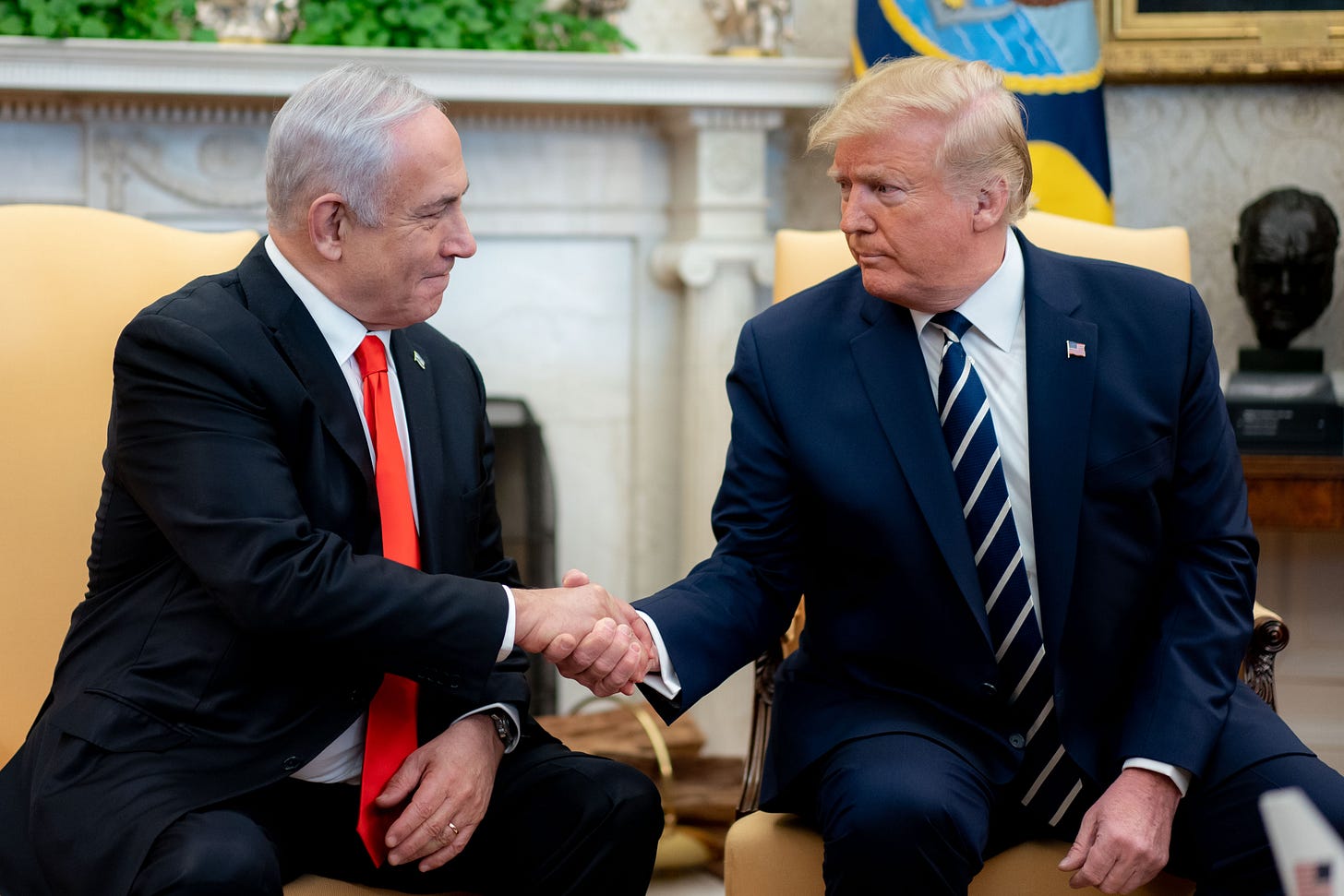
Israel, under the leadership of Prime Minister Benjamin Netanyahu and hardliner Bezalel Smotrich, has vehemently opposed the US-Iran peace deal brokered under Trump, actively undermining it through a series of military strikes, particularly in southern Lebanon and Beirut. Netanyahu’s government has rejected ceasefire terms and threatened collective punishment, signaling a strategic choice to sabotage rapprochement efforts with Iran by escalating military aggression precisely when the deal neared signing. This hardline stance reflects Netanyahu’s political survival mode and a broader Israeli fear of a stable, unsanctioned Iran, which they view as a strategic nightmare, thereby complicating the fragile peace process and fueling regional tensions.
Israeli military actions in Lebanon have been a critical destabilizing factor, directly contributing to the collapse of US-Iran peace talks as Iran refused to proceed with negotiations until Israel ceased its attacks. The conflict between Israel and Hezbollah, which Israel justifies as defensive responses to ongoing Hezbollah aggression, has resulted in significant casualties on both sides and heightened the risk of a wider regional conflagration. These strikes have not only undermined diplomatic efforts but also threatened global energy markets, as the fragile peace deal teetered on the edge amid splintering alliances and escalating violence.
The Israeli government’s refusal to withdraw from southern Lebanon and its commitment to exacting a 'very heavy price' for attacks have deepened rifts with the United States, complicating Washington’s peace efforts and raising concerns about America being drawn into conflicts driven by Israeli decisions. Former US Defense Secretary Mark Esper highlighted Hezbollah’s role as a key spoiler to the peace deal, with its continued attacks on Israeli forces providing Israel justification for ongoing military responses. This dynamic has forced the US to recalibrate its military posture amid Trump’s unpredictable Iran policy moves, underscoring how Israeli opposition and Hezbollah’s actions collectively undermine regional stability and the peace process.


Strait of Hormuz Power Play
Iran’s push to monetize and control the Strait of Hormuz amid volatile oil markets and a $300 billion windfall exposes the peace deal’s failure to curb proxy warfare and leaves global security on a knife’s edge.
The Strait of Hormuz remains the epicenter of escalating US-Iran tensions, serving as a critical chokepoint for global energy supplies and a strategic leverage point for Iran. Despite a fragile US-Iran peace deal brokered under Trump that temporarily reopened the strait and paused a naval blockade, ongoing volatility persists as Iran and Oman negotiate future management and potential fee structures, signaling Tehran's intent to institutionalize control and monetize this vital corridor. This precarious balance has triggered significant disruptions in global oil markets, with Brent crude prices swinging from a peak of $126 per barrel down to around $82, reflecting the short-term nature of Iran's blockade tactics and the resilience of global energy flows, which rebounded from near zero in early April to millions of barrels by June. (Insights [1, 3, 7, 27, 28, 30, 40, 42, 47, 68, 69])
The peace deal’s strategic concessions, including a reported $300 billion payout and de facto Iranian control over the Strait of Hormuz, have sparked fierce criticism and fears of an 'unconditional surrender' that risks US interests and regional stability. Israeli opposition and sabotage threats exacerbate these tensions, with Israeli strikes in southern Lebanon provoking Iranian warnings that further attacks could unravel the fragile ceasefire. Meanwhile, the release of $100 to $120 billion in frozen Iranian assets raises alarms about funding for proxy groups such as Hezbollah, Hamas, and Iraqi militias, perpetuating a cycle of regional instability. This complex web of military, economic, and proxy dynamics underscores the deal’s failure to address ballistic missile programs and militant groups, leaving critical security gaps that fuel ongoing geopolitical fractures. (Insights [6, 9, 11, 12, 13, 21, 50, 52, 53, 54, 55, 71])
The US approach under Trump reflects a calculated blend of public peace overtures and covert leverage tactics amid the volatile Strait of Hormuz environment, aiming to bolster military-industrial influence while managing escalating regional conflicts. However, this strategy has revealed deep strategic miscalculations, fracturing traditional alliances and exposing Pentagon budget strains as military and security challenges mount. Cyber and AI battles have quietly emerged as a new front in this tech cold war, reshaping the geopolitical landscape beyond conventional military confrontations. The ongoing ambiguity around sanctions relief and frozen assets further complicates the economic and diplomatic calculus, with conflicting narratives about the control and use of these funds highlighting the fragility of the deal and its broader implications for global markets and diplomacy. (Insights [2, 5, 15, 17, 20, 36, 37, 38, 39, 58, 59, 70])
Despite the historic US-Iran peace deal and the reopening of the Strait of Hormuz, the region remains fraught with geopolitical brinkmanship, as escalating tensions deepen political divides internationally and complicate ongoing negotiations in Switzerland. Israel’s unpredictable stance and exclusion from the deal negotiations continue to fuel regional instability, particularly in Lebanon, while the deal’s failure to address Iran’s nuclear development short of weaponization and the existence of militant proxies like Hezbollah and Hamas leaves critical security threats unresolved. Europe’s lack of a coherent strategy further underscores the international power dynamics at play, suggesting that the Gulf’s strategic importance will continue to drive high-stakes battles over peace, power, and political polarization throughout 2026. (Insights [44, 45, 46, 48, 49, 60, 61, 62, 63, 64, 65, 66, 67])