Trust moves from buzzword to leadership benchmark in 2026
The gist
In 2026, trust jumped from corporate buzzword to the leadership metric that separates high-performing teams from those left in the dust.
What to know
- Leadership writing from May to October 2026 agreed: trust and transparent communication became the must-have conditions for real results, not just soft skills.
- Economic uncertainty, layoffs, and AI disruption forced leaders to show early candor—Fast Company found people were 54% more likely to support change when told why their role mattered.
- By late 2026, trust was measurable: Harvard Business Review called it 'connection capital' and new metrics linked trust directly to productivity, retention, and company reputation.
Trust Drives Real Execution
By 2026, leaders were judged by how visibly they built trust—turning transparency and honest reasoning into the foundation for high-performing, resilient teams.
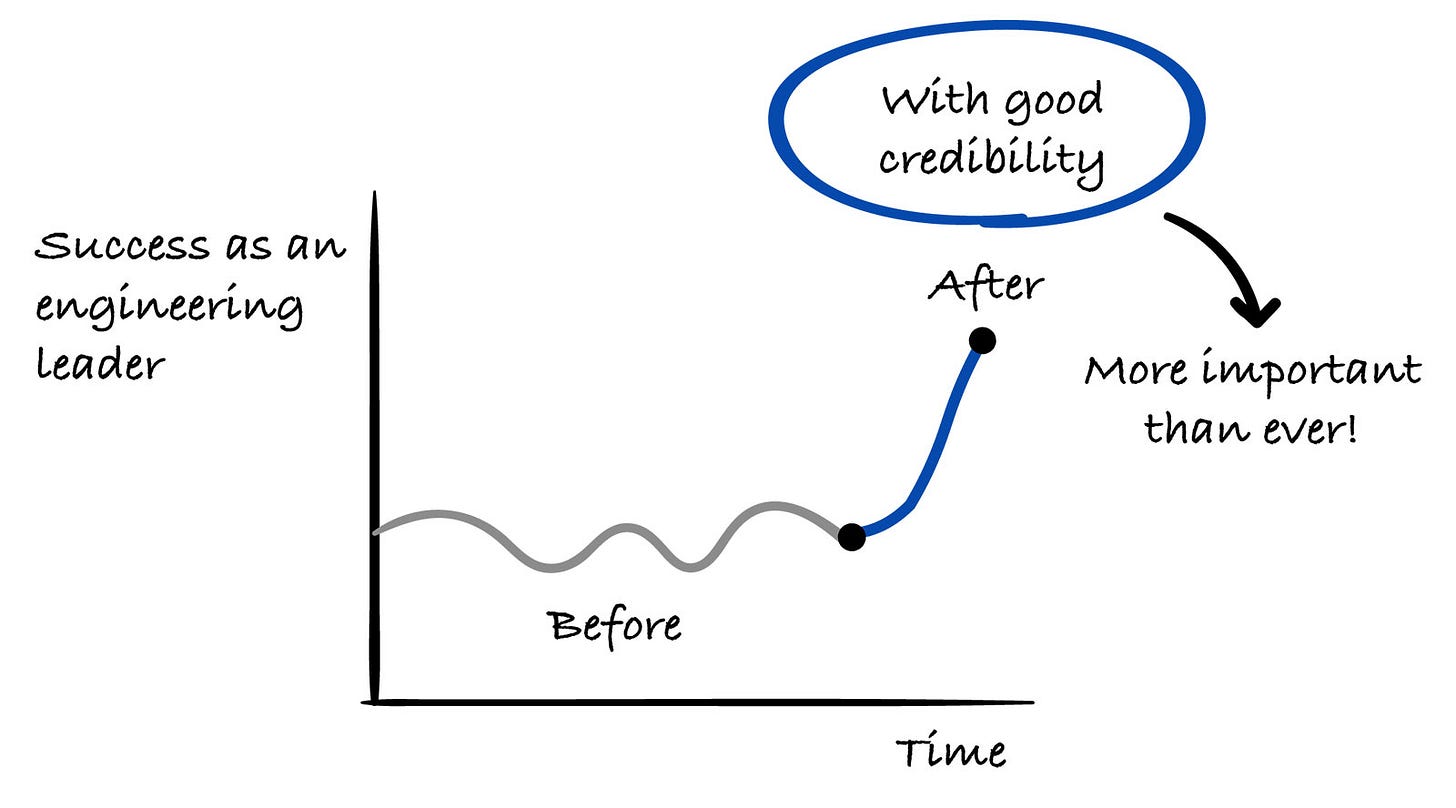
By mid-2026, leadership writing was converging on a common explanation for durable team performance: trust and transparency were not soft extras but the conditions that made strong execution possible. Blog for Engineering Managers argued in April that visible team practices were merely “outputs of trust, not inputs,” and that uncertainty was manageable only when bad news was translated honestly and non-negotiables were explained with the real reason, while USA TODAY Money in July drew the same line between bosses chasing tasks and leaders who create conditions where people can do their best work through clear communication and follow-through.
That theme broadened across sectors by late summer and early fall, as performance, retention, and change management were increasingly discussed through the language of trust. USA TODAY Money cited ezCater research showing 79% say having friends at work helps improve company performance, and 69% say socializing makes them more productive and more likely to stay; in August, Blake Evans of Rush University System for Health said he closes meetings and a monthly town hall with more than 700 team members with “Thank you for your leadership,” while Jamie Holcombe said in September that “speed without culture leads to burnout and broken trust” and leaders must explain the mission before tasks.


Candor Becomes Operational Habit
Leadership accountability shifted from hitting targets to openly sharing context and trade-offs, with radical transparency speeding team decisions and adaptability.
What changed in 2026 was not simply a louder call for trust, but a more operational definition of leadership itself: less scoreboard management, more continuous accountability for how leaders communicate, listen, and regulate the emotional impact they have on teams. Duct Tape Marketing argued that accountability can no longer mean only “did you meet your numbers,” but must include whether a leader is “a transparent and honest place to land,” while Supply Chain Now described a “never normal” environment where leaders must pair facts and analytics with emotion because “you got to connect” and “build trust.”
That shift is showing up in concrete operating habits designed to speed decisions without sacrificing morale: explaining context, widening access to information, and involving people in trade-offs as conditions change. Capital H Podcast argued that when leaders give people “the why and the context,” teams react better and can make tougher collective calls, while Evan Carmichael’s CEO example pushed the model furthest, insisting, “I love that there is no privacy, privileged access to information,” adding that “if the CEO's direct staff is 60 people, the number of layers you've removed in a company is probably something like seven,” a structure he ties to faster pivots after 2020, when he began sizing up CEOs by “What’s your ability to pivot?” after “all distribution channels… shut down.”




Uncertainty Demands Early Honesty
Leaders who explained tough changes up front—before outcomes were final—prevented anxiety and built buy-in, as candor became essential for navigating layoffs and AI disruption.
By May, the case for candor was already shifting from etiquette to necessity: Fast Company warned that “Change can create confusion and frustration when expectations aren’t clear or supported,” and urged CEOs to “Lead with radical transparency… communicate them candidly along the way” because employees absorb uncertainty before outcomes are visible. That waiting period is not abstract, since “Change can greatly disrupt daily work,” and when people were explicitly told why their role in a change initiative mattered, they were 54% more likely to support it—evidence that ambiguity hardens into anxiety unless leaders explain what they know early.
As instability deepened into layoffs and AI change, the communication burden moved even earlier, into the period before final calls were made: Security Weekly said “when utilization is pegged for a certain duration of time, it’s a warning sign,” even citing workers running 10% over expected utilization as a trigger for immediate conversations rather than delayed recognition. The same logic appeared in layoff guidance—“If this is just the first round of layoffs and more are to come… you damned sure shouldn’t lie to them and tell them that no more layoffs are coming,” because “It only takes one second round of layoffs” to destroy trust—and in the advice that “Some sort of transition compensation should be offered… What I decided on was one week of full-time pay for each year of service, with a minimum of two weeks of pay,” underscoring the need to prepare and communicate before the moment of separation. In AI adoption, meanwhile, “virtual upskilling sessions are almost pointless”; instead, “people in the room with the CEO, with their leaders, laptop opened… immersed… in as simple as… a couple of three hour workshops” could “meaningfully” move forward, because employees experience fear, overload, and mixed signals long before any formal decision settles.



Trust Proved by Visible Action
Employees measured trust by leaders’ consistency between words and actions, with credibility built through admitting limits, inviting challenge, and making honesty routine.
What changed in practice was not a new slogan but a more observable leadership routine: trust had to be seen. Inside the ICE House argued that leaders make it visible by doing what they said they would do, because inconsistency is the fastest way to break trust, while Dara Treseder made the same idea measurable through a say do ratio: anything she says, she works to do, knowing nobody has a 100% say do ratio all of the time, but leaders can invest in getting close to 90% of the time.
Visible trust-building also meant leaders stopped treating certainty as the performance and started treating candor as the job: saying I don’t know, inviting pushback, and repeatedly explaining the why behind decisions so employees did not fill in the blanks themselves. Harvard Business Review captured the payoff when Ed Bastian said leaders must tell teams what they know and do not know and why decisions are being made; over the last two years, employee engagement stayed just as strong throughout the pandemic as ever, a contrast with opaque management styles that employees readily recognize, including the healthcare leader who recalled seeing eight traits of a toxic leader and recognizing every one in a former boss.



Trust Quantified as Business Asset
Trust evolved into a measurable form of capital, tracked through fulfilled promises, peer confidence, and direct links to productivity and partnership value.
By mid-2026, trust was already being recast as something leaders could accumulate, spend, or lose, not merely praise. Harvard Business Review described it as a reputation signal visible in whether peers and bosses trust you, whether you meet commitments, and whether you are known for being “pretty straight” instead of “spinning” bad news, while Measuring Partner Relationship Quality With Connection Capital went further by calling that compounding reserve “connection capital,” a health metric built through “every promise kept” and reflected in referrals, bigger deals, upsell, and long-term partner success.
By late 2026, that language had hardened into explicit measurement logic tied to AI-era output: Redefining L&D Metrics With Trust and AI-Enabled Analytics described trust as a “currency” that can be tracked and linked to productivity outcomes, including before-and-after changes from specific actions. Engineering Leadership showed what that looks like on the ground, laying out “3 options” after a director returns “hyped” about productivity gains: (1) “They believe you and just ask a few more questions,” (2) “They don’t believe you, and start asking other leads,” (3) “Starts” planning adoption without the team—turning belief, confidence, and implementation success into observable indicators of trust’s value.