Walmart’s tap-to-pay shift sparks wallet wars at checkout
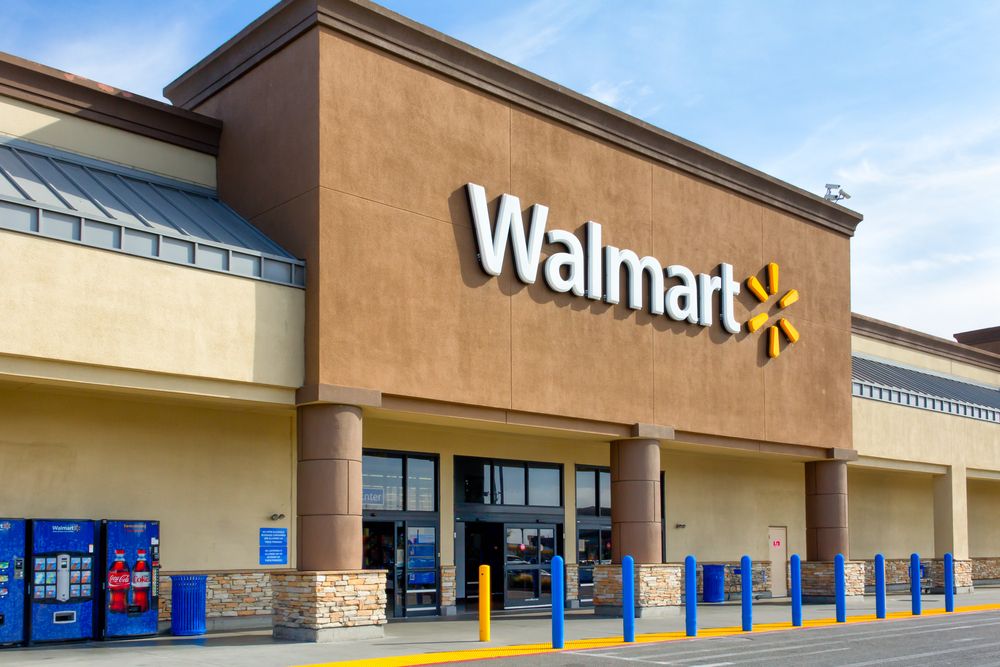
The gist
Walmart’s tap-to-pay U-turn is igniting a battle between banks and wallet brands for prime real estate in your pocket.
What to know
- Starting August 2026, Walmart began rolling out Apple Pay and Google Pay at select stores, aiming for nationwide tap-to-pay by year-end and fuel station support by mid-2027.
- Shoppers can now pay at Walmart with Apple Pay, Google Pay, Samsung Pay, contactless cards, and wearables—all at the same terminal.
- Banks are scrambling to stay top-of-wallet as easy tap-to-pay puts every card and app in direct competition for your checkout dollar.
Walmart Ends Payment Standoff
Walmart’s embrace of tap-to-pay marks the end of a decade-long resistance, setting a nationwide timeline that aligns with Apple Pay’s dominance and a surge in U.S. mobile wallet adoption.
Walmart’s reversal became concrete in late August 2026, a moment one report framed as ending a “decade-long standoff” when Apple Pay and Google Pay were set to roll out nationwide beginning Aug. 24. Walmart and Sam’s Club said they would start tap-to-pay at select locations on that date, letting shoppers pay with “contactless cards, smartphones, or smartwatches,” and another analysis said Walmart had already begun accepting tap to pay at select stores with a full U.S. rollout due by year-end.
The company also attached a longer timetable to the shift, saying fuel locations would follow after the in-store rollout, with “Walmart’s gas stations will support the technology by mid-2027.” That schedule fit a market in which, according to Capital One figures last updated July 26, “more than 90% of U.S. retailers accept Apple Pay,” Apple Pay holds a 92% share of the U.S. mobile payment market, and U.S. users are “on pace to grow from 70 million to more than 84 million in the next four years.”


Checkout Becomes a Wallet Battlefield
Open tap-to-pay terminals at Walmart erase proprietary barriers, forcing banks to fight for top-of-wallet status as consumers gain unprecedented freedom—and security concerns rise alongside choice.
Walmart’s NFC acceptance matters because it replaces a single retailer-controlled payment path with an open one: customers can now tap phones, smartwatches or cards, including Apple Pay, Google Pay, Samsung Pay and other wearables, instead of being funneled through one app-defined checkout. As one analysis put it, “The 2026 decision therefore represents more than another checkout feature,” because interoperable tap-to-pay breaks the old proprietary gate and lets multiple wallet brands and contactless credentials compete at the same terminal. That shift moved from theory into rollout when, on Sept. 24, Walmart and Sam’s Club began introducing Tap to Pay at select U.S. locations.
That openness also changes the competitive pressure on issuers: once checkout is wallet-agnostic, banks have to make sure their card is the one loaded, defaulted and trusted inside those wallets, or they lose spend and interchange to another issuer. The shift was already visible before Walmart opened its terminals—“The OnePay debit card has supported Apple Pay since 2022”—and it is now reinforced by consumer behavior, with Nuvei research finding “57% of respondents feel meaningful differences between payment methods and expect to find the one they prefer waiting for them,” while security concerns remain salient as “The FTC reported that consumers lost a record $3.5 billion to imposter scams in 2025.”