Wayfair surges as hybrid retail bet fuels investor buzz
The gist
Wayfair’s hybrid retail gamble sent shares soaring 25% as investors cheered its best margin performance in five years and a bold brick-and-mortar push.
What to know
- Wayfair’s Q1 2026 revenue jumped 7.4% with a 5.2% adjusted EBITDA margin—the highest since 2021—even as free cash flow stayed negative.
- The company plans to open five U.S. stores by 2027, betting that blending digital ease with in-person shopping will capture more customers amid 12.2% nonstore retail growth.
- Strategic cuts in marketing spend (down 4.4%) and sharper AI-powered personalization helped boost revenue per active customer by 5.2%.
Investors Bet on Turnaround
Wayfair’s record-setting margins and surging stock price stand out in a sector where even strong earnings often trigger selloffs, highlighting a rare pocket of investor optimism amid persistent cash flow concerns.
Wayfair's financial performance in mid-2026 showcased steady revenue growth of 7.4% year-over-year, supported by improved operating efficiency and a notable adjusted EBITDA margin of 5.2%, its best Q1 result in five years. This solid profitability, alongside favorable market conditions such as lower fuel costs reducing logistics expenses, fueled strong investor optimism, driving the stock up as much as 25.3% post-earnings and sustaining a market cap near $12.4 billion despite ongoing challenges like negative free cash flow and margin pressures. Analysts and investors alike remain cautiously optimistic, hoping Wayfair can leverage active customer growth and better advertising returns to translate market share gains into sustained profitability.
The broader online retail sector delivered robust Q1 results with a collective revenue beat of 2.3% against consensus and next-quarter guidance exceeding estimates by 4%, highlighting strong underlying fundamentals across players like Chewy, Revolve, and Amazon. Yet, this financial strength contrasts sharply with market sentiment, as most stocks—including Amazon, Coupang, and Carvana—experienced significant post-earnings declines, with Amazon’s shares dropping over 10% despite 16.6% revenue growth and EPS beats, and Coupang plunging as much as 24.5% after missing revenue expectations. This disconnect underscores investor caution, possibly reflecting concerns about growth sustainability and margin pressures despite impressive operational metrics.
Hybrid Retail Gains Momentum
Wayfair’s push into physical stores signals a broader industry pivot toward omnichannel strategies, fueled by macro tailwinds and a race to blend digital convenience with in-person engagement.
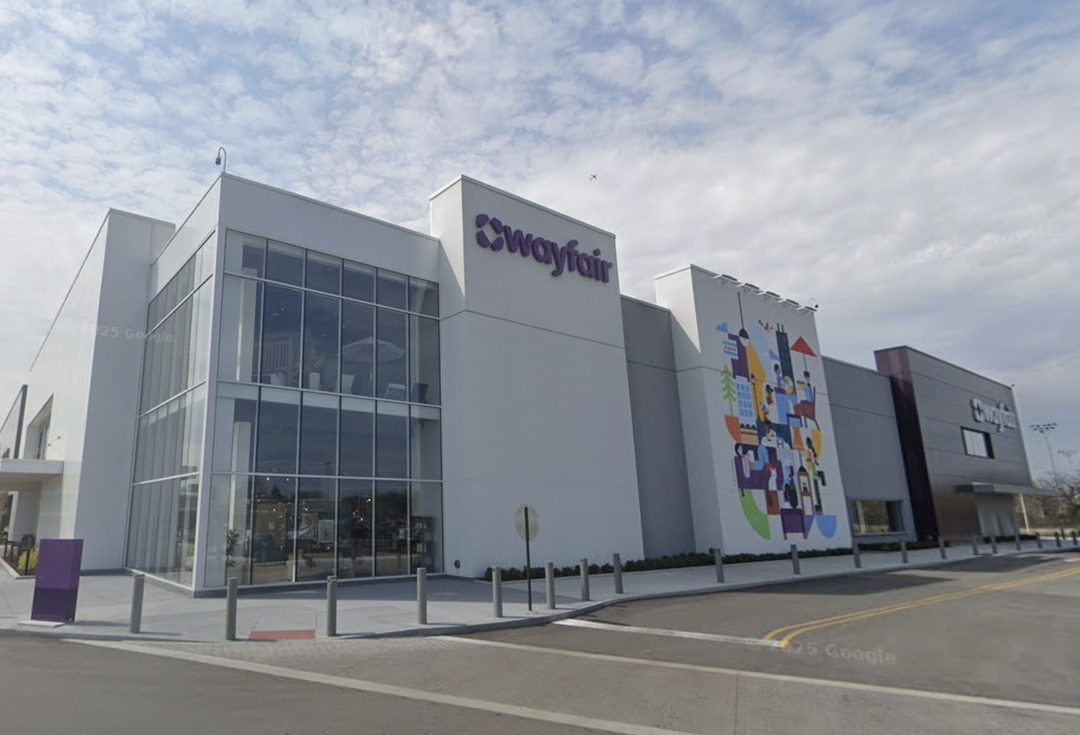
By mid-2026, Wayfair is boldly transitioning from its online-only roots to a hybrid retail model, planning to open five brick-and-mortar stores across the U.S. by 2027. This strategic expansion leverages the sustained 12.2% growth in nonstore retail sales and aims to blend the convenience of digital shopping with the tactile experience of physical stores, positioning Wayfair to capture a broader consumer base.
Simultaneously, Revolve exemplifies a different facet of online retail evolution by harnessing a vibrant community of fashion influencers to shape its merchandising strategy, underscoring the growing importance of social media-driven commerce. This influencer-centric approach, combined with industry-wide investments in fulfillment automation, omnichannel capabilities, and AI personalization, reflects a broader shift where ecommerce growth is increasingly fueled by deepening customer engagement and the migration of offline categories into the digital realm.
Favorable macroeconomic trends such as lower fuel costs and normalized shipping routes further bolster these strategic expansions by reducing logistics expenses and enhancing discretionary consumer spending. For companies like Wayfair, these conditions create a supportive environment to optimize their blended online-offline retail strategies, promising improved operational efficiency and stronger market positioning.


Efficiency Meets Customer Loyalty
Wayfair’s disciplined cost controls and mobile-first, loyalty-driven growth are boosting repeat orders but squeezing margins, spotlighting the delicate balance between operational efficiency and profitability.
By mid-2026, online retailers like Wayfair have aggressively invested in fulfillment networks, automation, and AI-driven personalization to meet rising consumer demands for convenience and rapid delivery, reflecting a broader industry shift where ecommerce growth is now fueled more by increased purchase frequency and the migration of offline categories online than by new online adopters. This strategic emphasis on operational efficiency is critical to capturing greater wallet share and enhancing the overall shopping experience amid intensifying competition.
Wayfair’s operational strategy exemplifies a disciplined balance between growth and profitability, as CEO Niraj Shah highlighted the company’s achievement of a 5.2% adjusted EBITDA margin in Q1—the best in five years—by focusing on maximizing EBITDA dollars faster than revenue growth. This approach is further supported by disciplined marketing spend that decreased by 4.4% even as revenue rose 7.4% to $2.93 billion, demonstrating effective cost management that bolsters both top-line expansion and bottom-line strength.
While Wayfair’s investments in customer retention and loyalty programs have successfully driven repeat orders—accounting for nearly 80% of all transactions—and increased revenue per active customer by 5.2% to $591, these initiatives have exerted pressure on gross margins, which declined to approximately 30%. This margin compression underscores the trade-off between enhancing customer experience and maintaining profitability, a dynamic further complicated by the company’s mobile-first strategy that now accounts for nearly 65% of fulfilled orders, highlighting the importance of seamless digital engagement in operational efficiency.
Complementing revenue growth and customer engagement efforts, Wayfair has also achieved improved operating performance through rigorous cost management, including a 2.7% reduction in selling, operations, technology, and general expenses—primarily driven by lower compensation costs following earlier layoffs. These expense controls, alongside a focus on marketing discipline, have reinforced the company’s ability to sustain profitability amid ongoing market challenges.