Wealth transfer gets a makeover: family drama, crypto conundrums, and the rise of the 400-year plan
The gist
As trillions in family wealth change hands, estate planning is getting a radical overhaul—think crypto inheritance puzzles, addiction-proof trusts, and 400-year family dynasties.
What to know
- 77% of parents now bring young heirs into advisor meetings, while almost half of inheritors plan to ditch their family’s financial advisor for someone who 'gets' them.
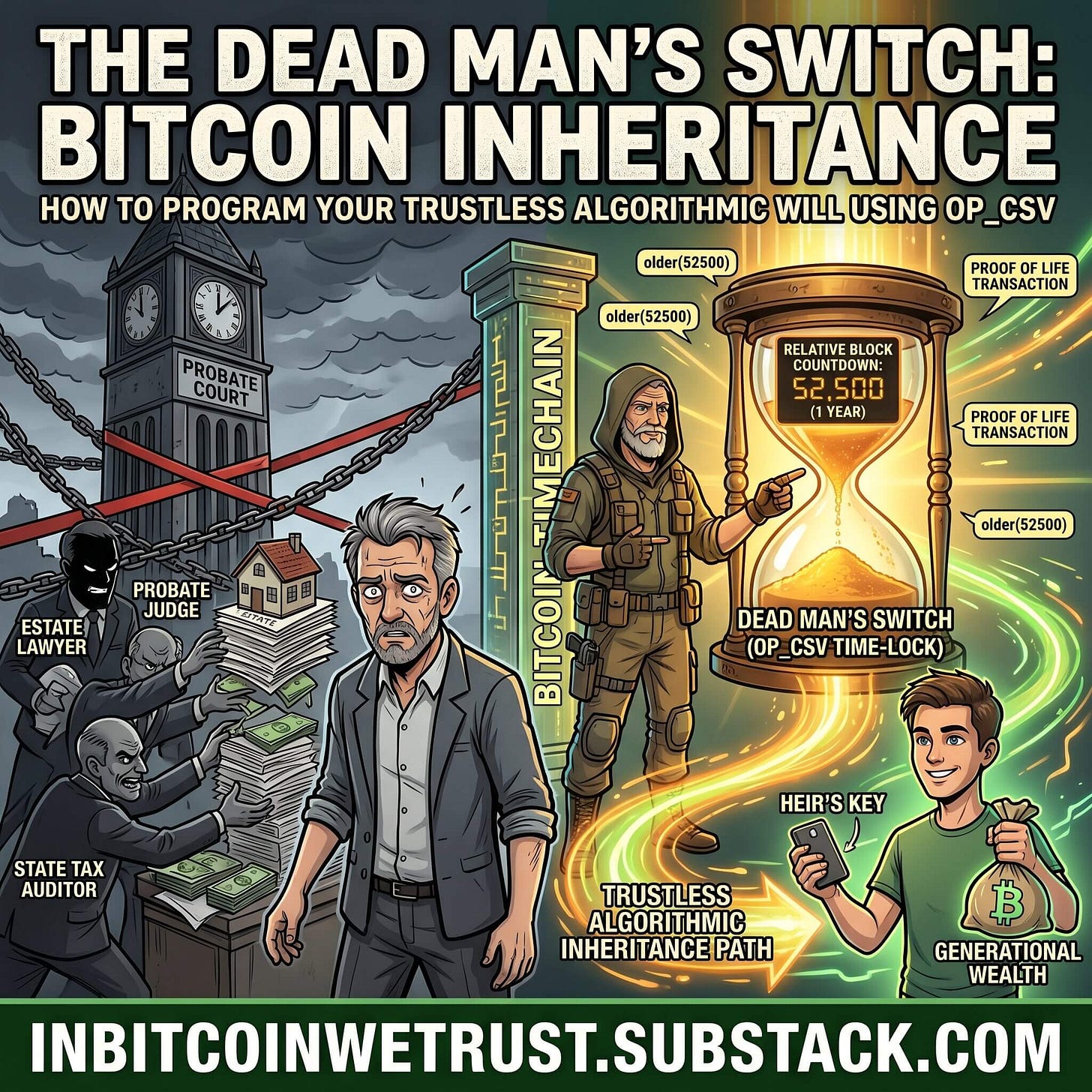
- New tech like blockchain ‘Dead Man’s Switches’ is shaking up estate plans, but generational splits over AI and security are fueling fresh family drama.
- Only 46% of the wealthy have basic estate docs in place, even as two-thirds of ultra-rich families cite geopolitical and tax threats as top concerns.
Family Drama, Real Risks
Hidden addictions and unclear roles can turn inheritances into battlegrounds, making transparency and tailored estate plans essential to prevent costly family fallout.
Navigating family dynamics during wealth transfer often involves managing hidden financial risks and interpersonal tensions, as illustrated by a 2026 case where a wife struggled with her husband's undisclosed $3,600 monthly gambling expenses despite holding all assets in her name. This scenario underscores the necessity of clear communication and updated estate planning to prevent misunderstandings, especially when roles shift—as when the wife, initially uninvolved in the family business, later opened a franchise with business proceeds. Such transparency helps align expectations and control over assets, mitigating conflict before it escalates.
Executors face complex legal and fiduciary responsibilities that demand strict adherence to the will’s instructions to avoid costly litigation and family disputes. As emphasized in a 2026 interview, executors must act with impartiality and integrity—being 'Switzerland'—to faithfully execute the decedent’s wishes without personal discretion, since deviation invites lawsuits for breach of fiduciary duty. This highlights the critical importance of selecting trustworthy executors and crafting explicit estate documents that address all financial obligations, such as mortgages and taxes, to shield heirs from unexpected burdens.
Wealth transfer can be particularly fraught when addiction or financial irresponsibility is involved, as seen in a 2026 case where a son’s gambling addiction depleted $150,000 of inheritance and home equity. Advisors recommended conditional support measures, including shared accounts and strict behavioral expectations, to prevent enabling harmful patterns. This approach reflects the broader truth that money amplifies existing personal challenges, necessitating vigilant oversight and tailored controls within families to protect both assets and relationships.
The evolving landscape of inheritance now extends to complex assets like dormant cryptocurrency wallets, where legal challenges around abandonment and ownership verification can trap heirs in costly litigation, as seen in a 2026 New York case involving over 39,000 inactive wallets. Meanwhile, shifting family structures and expectations—highlighted by Scott Rahn’s insights on celebrity estates—demand estate plans that are flexible and supported by coordinated advisory teams to manage both emotional and financial complexities. Early, transparent communication remains paramount, with studies showing 77% of parents involving young adults in financial advisor meetings to bridge informal discussions and formal legal planning, thus reducing disputes and fostering financial literacy.




Heirs Get Hands-On
Next-gen wealth transfer now hinges on early, personalized engagement—where family offices stage financial exposure and education to match each heir’s maturity and values.
Preparing the next generation for responsible stewardship demands a nuanced, individualized approach that balances timely wealth disclosure with behavioral considerations. Case studies, such as James’s management of his son’s gambling addiction, underscore the importance of conditional support and staged inheritance to prevent enabling destructive habits, with family offices playing a pivotal role in monitoring and fostering accountability. This aligns with broader expert consensus that timing wealth conversations should be tailored to each heir’s maturity and life challenges, ranging from mid-teens to mid-thirties, rather than adhering to a fixed age, ensuring readiness and engagement without fostering entitlement.
Active inclusion of heirs in financial discussions and education from a young age is critical to cultivating stewardship sophistication and aligning family wealth with evolving values. Families like those who bring their daughters to next-gen panels exemplify this practice, while studies reveal 77% of parents involve teenage and young adult children in advisor meetings primarily for educational purposes. This engagement fosters an appreciation for impact investing and socially conscious wealth management, reflecting a generational shift where younger heirs prioritize values-driven portfolios and leverage technology and AI to inform their decisions, as highlighted by UBS’s Alexis Allen and Bank of America’s 2026 study.
Family offices serve as dynamic hubs that tailor governance, stewardship, and capital exposure to the unique needs and interests of heirs, facilitating a phased transition of visibility, influence, and control over wealth. J.D. Montgomery’s depiction of the family office as an 'octopus' with multiple arms—spanning tax, legal, governance, and communication—illustrates the complexity that must be simplified for heirs’ comprehension and effective management. Intentional capital allocations aligned with personal passions, such as venture investments in health or space sectors, further engage heirs and cultivate agency, countering entitlement by emphasizing active participation over passive inheritance.
Despite growing openness to wealth discussions, significant communication gaps and behavioral risks threaten intergenerational wealth transfer, necessitating early, clear, and ongoing dialogue facilitated by trusted advisors. UBS’s 2026 Global Next Generation Report highlights that 33% of conflicts stem from communication breakdowns, with nearly half of heirs lacking structured wealth transfer conversations. Experts caution against vague or avoidance strategies, advocating instead for transparency and clarity to prevent entitlement and family dysfunction, while emphasizing the critical role of education in financial literacy and governance to equip heirs as the single point of failure in sustaining family fortunes beyond the second generation.


Advisors Face a Generational Test
Financial advisors must reinvent themselves as multigenerational guides, blending values-based planning with succession strategies to earn the trust of younger, more discerning clients.
By early 2026, financial advisors like Guardian’s Mike Perry recognized the necessity of evolving beyond traditional portfolio management to meet Millennials’ and Gen Z’s demand for holistic, values-driven financial planning. This shift requires continuous professional development to navigate increasing complexities such as tax law, estate strategy, and business succession, enabling advisors to provide context-rich, goal-based guidance that resonates with younger clients who prioritize understanding the 'why' behind financial decisions.
Succession planning has emerged as a critical challenge amid accelerating advisor retirements, with experts emphasizing the importance of initiating transitions at least five years in advance to preserve client trust and service continuity. As Perry notes, team-based advisory models and clear continuity plans help maintain consistent guidance, while thoughtful integration of successor advisors with clients over time mitigates the emotional difficulty of saying goodbye to long-standing personal relationships that often resemble family bonds.
UBS’s Alexis Allen highlights a growing trend of advisors engaging multigenerational families earlier and more expansively, facilitating conversations around wealth purpose, governance, and values before formal transfers occur. This proactive approach addresses next-generation clients’ desire for transparency and stewardship skills, while acknowledging their initial reliance on peer networks for advice. Advisors who prioritize these early, values-centered dialogues position themselves as trusted guides in a landscape where capital increasingly reflects identity and long-term intent.
The great wealth transfer underscores the imperative for advisors to build genuine multigenerational relationships, as nearly half of inheritors plan to switch from their parents’ advisors—primarily due to lack of established rapport rather than investment performance. With baby boomers most likely to change advisors, firms must strategically engage heirs through estate planning conversations, financial education, and digital-first, incremental outreach to bridge communication gaps and reduce attrition, especially given that 70% of widows leave their advisors within a year due to insufficient prior connection.



Crypto, AI, and the Scarcity Paradox
Blockchain inheritance tools and AI are redefining what’s truly scarce in wealth transfer, forcing families to grapple with trust, security, and legacy in a tech-driven era.
The advent of blockchain innovations like the OP_CSV Dead Man’s Switch has fundamentally transformed cryptocurrency estate planning by embedding trustless, flexible time-locks that protect against compromised heir keys, enabling dynamic and secure Bitcoin inheritance within Web3 ecosystems. Experts such as Zak Townsend and Shea Brown of Windle Wealth underscore the necessity of specialized strategies to navigate these complexities, reflecting a broader shift toward proactive stewardship rather than passive inheritance in digital asset management.
By mid-2026, family offices are grappling with a pronounced generational divide over AI adoption in wealth management, where younger heirs—whose active involvement in wealth transfer processes has nearly doubled to 22%—champion AI-driven automation for operational efficiency, while founding-generation principals remain wary due to stringent data privacy and security concerns. This tension highlights the challenge of integrating cutting-edge technologies in managing not only investments but also sensitive estate planning and succession details, where breaches could expose far more than financial data.
The rapid acceleration of AI and blockchain technologies is reshaping the very nature of wealth preservation, emphasizing the scarcity of intangible assets like trust, wisdom, and covenant in an era of technological abundance. As articulated in the 'Scarcity Paradox,' enduring wealth transfer demands a 400-year stewardship perspective that prioritizes stable, erosion-resistant systems over transient assets, acknowledging that empires fall, currencies weaken, and technologies become obsolete, thereby challenging traditional wealth management paradigms.
Emerging legal challenges around self-custodied dormant Bitcoin wallets illustrate the precarious intersection of technology and law, where over 39,000 wallets inactive for more than a decade face potential seizure under unclaimed property laws. This legal ambiguity forces owners into costly and adversarial court battles, as exchanges freeze assets and shift the burden of proof onto individuals, underscoring the urgent need for robust legal frameworks and estate planning strategies to safeguard digital wealth across generations.



Stewardship Over Centuries
True intergenerational wealth endures only when families build governance and leadership structures that outlast markets, technology shifts, and individual ambitions.
Enduring wealth preservation demands governance frameworks that transcend immediate financial returns to prioritize long-term integrity and stewardship, as articulated in the 400-year horizon concept which emphasizes forming stewards rather than merely building portfolios. This stewardship encompasses not only financial assets but also relational, spiritual, and structural inheritances—faith, wisdom, discipline, and supporting systems—that collectively ensure wealth endures across multiple generations.
Robust governance and risk management extend well beyond market volatility to address operational and behavioral risks that threaten permanent capital loss. As highlighted by family wealth advisors, cultivating deep trust and open communication between advisors and families is essential to mitigate poor decision-making during downturns, while establishing a solid governance and operational foundation acts as the indispensable 'foundation' supporting the wealth 'structure' for successful intergenerational transfer.
Strong stewardship requires leadership infrastructure designed for durability and distributed authority to counteract the corrupting tendencies of concentrated power, echoing principles from America’s constitutional system of checks and balances. Modern governance must adapt to emerging infrastructures like AI and decentralized protocols exemplified by Bitcoin, which offers a transparent, open monetary system free from centralized control, thereby modeling resilience and broad participation critical for sustaining wealth and societal stability over generations.
The greatest risk to multigenerational wealth lies in behavioral and character vulnerabilities of succeeding generations, making their engagement, education, and agency pivotal governance priorities. Data shows that 93% of ultra-wealthy families confident in their stewardship have formal plans preparing the next generation for leadership, underscoring that beyond estate and succession planning, sharing family history and values is vital. As John Maxwell reflects, leadership is ultimately about cultivating wisdom and responsibility to carry stewardship forward long after individual leaders have passed.


Wealthy Families Brace for Disruption
Geopolitical anxiety, longevity, and a generational pivot to alternative assets are driving ultra-rich families to overhaul estate plans and investment strategies—yet critical gaps persist.
By mid-2026, ultra-high-net-worth families have increasingly turned inward to fortify their wealth management amid rising geopolitical and economic anxieties, with nearly two-thirds citing instability as a major concern. This inward focus manifests in heightened attention to estate planning, tax strategy, and next-generation education, especially as tax planning worries peak among those aged 50 to 64, a critical window for advisors to engage clients before traditional wealth transfer phases. The passage of the One Big Beautiful Bill Act, which raised federal estate and gift tax exemptions, further catalyzed estate plan reviews, with over half of families revisiting their strategies within the past year, though notable gaps remain in business succession planning, where only 56% of owners can clearly articulate plans compared to 72% for estate plans.
Longevity has emerged as a transformative force reshaping wealth transfer strategies, with studies from Bank of America and BriefGlance.com revealing that over 90% of wealthy Americans now consider lifespan extension a central factor in financial planning. Despite this widespread recognition, only about 46% have secured essential estate documents such as wills and durable powers of attorney, underscoring a critical disconnect between awareness and preparedness. Moreover, the increasing prevalence of family business ownership—rising from 11% in 2024 to 23% in 2026—highlights the urgency of formal succession planning, which remains woefully insufficient with only 20% having fully documented plans, thereby exposing significant risks during intergenerational wealth transfer.
Investment preferences among ultra-high-net-worth investors are undergoing a pronounced shift toward private markets and strategic credit use, reflecting a broader appetite for alternatives over traditional public equities. By 2026, 77% of UHNW respondents believe private markets yield superior returns, with real estate and private equity leading the charge, while more than a third employ credit strategically to fuel investments and facilitate wealth transfer. This trend dovetails with the preferences of younger generations—Gen Z and Millennials—who increasingly eschew traditional stocks and bonds, allocating 15% to alternatives and 13% to crypto assets, with 88% intending to boost alternative allocations, signaling a generational pivot in portfolio construction.
Despite embracing technological tools like AI for research, younger investors maintain a strong preference for human advisors, favoring a hybrid model that combines digital innovation with personalized guidance. Concurrently, evolving family dynamics and legal frameworks are reshaping wealth transfer strategies, exemplified by a dramatic rise in prenuptial agreements among Gen Z and Millennials—32% compared to just 4% of Boomers—reflecting a growing emphasis on clearly defined legal boundaries within family wealth. This evolution underscores the complexity of modern wealth transfer, where intergenerational communication, education, and legal clarity are as vital as financial acumen.