Whistleblowers face crosshairs as UAP secrecy outguns congressional disclosure drive
The gist
Whistleblowers risking careers—and lives—are colliding head-on with Cold War-era secrecy and bureaucratic gridlock as Congress battles entrenched agencies for UAP truth.
What to know
- David Grusch and other UAP whistleblowers face intimidation, lost security clearances, and threats, even as Congress pushes new laws to protect them.
- The Atomic Energy Act’s 'born secret' rule and a tangle of agencies (DOE, CIA, ODNI, MITRE) keep key UAP records locked away, immune even to presidential executive orders.
- Despite bipartisan momentum and the PURSUE program’s 162-file release, most documents remain heavily redacted or withheld, leaving full UAP disclosure as elusive as ever.
Whistleblowers Under Siege
UAP whistleblowers navigate a perilous maze of institutional retaliation and legal threats, even as Congress scrambles to verify their claims and shield them from powerful agencies.
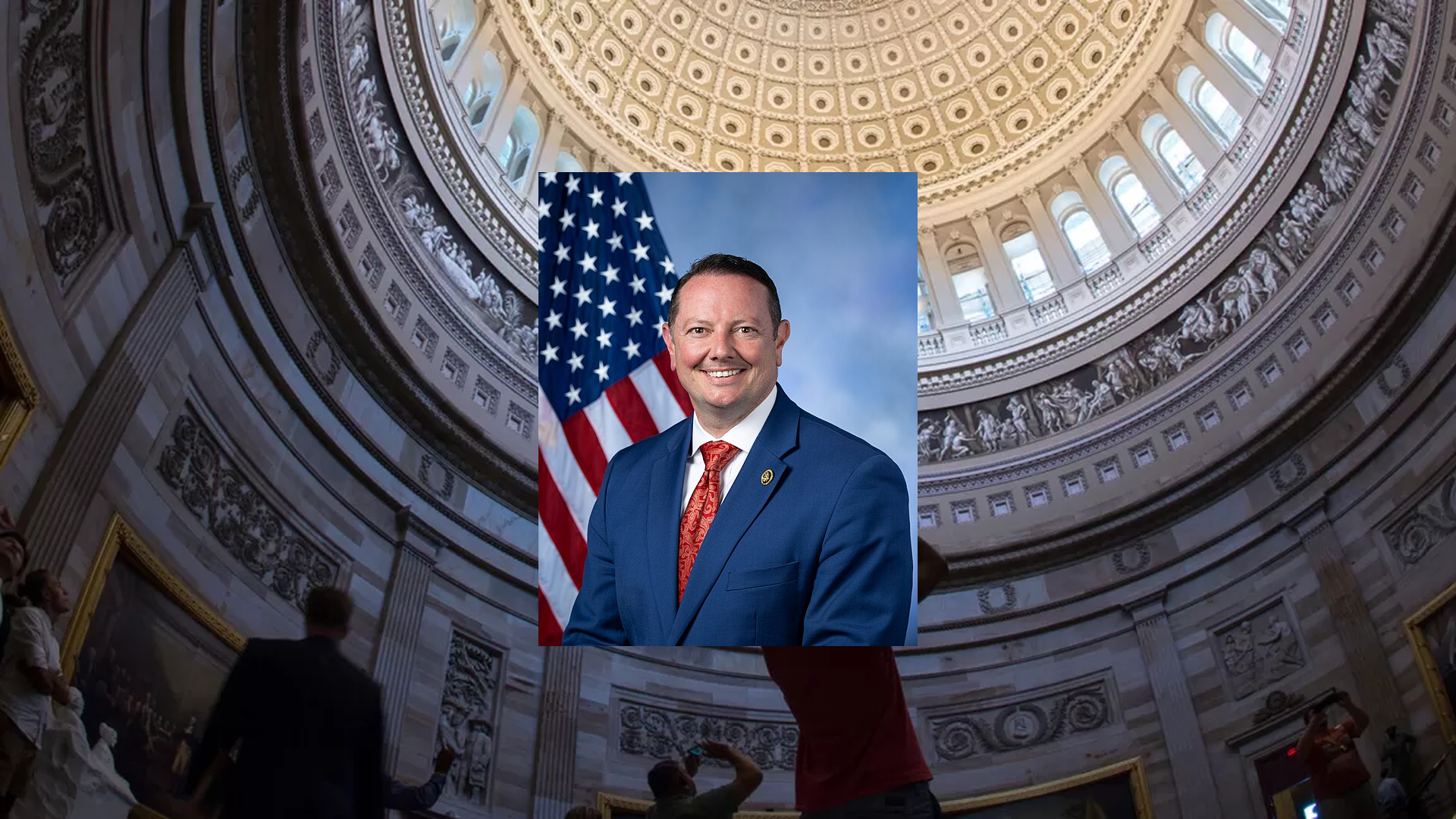
By early 2026, whistleblowers disclosing UAP information, such as former senior intelligence officer David Grusch, have faced intense institutional pressures and retaliation risks, including intimidation tactics like having a gun pulled on them, loss of security clearances, and fears for their lives. Despite these dangers, Grusch’s appointment as a special advisor for transparency efforts and his widespread media presence illustrate both the critical role whistleblowers play in advancing UAP disclosure and the complex, inconsistent environment they navigate. Congressional advocates like Rep. Eric Burlison have emphasized the importance of verifying whistleblower testimonies through legislative measures such as the UAP Disclosure Act of 2025, while also encouraging whistleblowers to come forward via protected channels to support oversight of entities like the MITRE Corporation, which has faced scrutiny over its handling of UAP records.
The whistleblower landscape is further complicated by pervasive institutional secrecy, bureaucratic stonewalling, and potential suppression of disclosures, as highlighted by Burlison’s remarks about longstanding barriers dating back to the Trump administration and ongoing resistance within federal agencies. This environment fosters a climate of fear where many insiders refuse to testify due to concerns over retaliation, including prosecution under the Espionage Act, or losing security clearances. Bipartisan congressional figures such as Chuck Schumer, Mike Rounds, and Anna Paulina Luna have pushed for stronger whistleblower protections embedded in legislation like the National Defense Authorization Act, yet legislative gridlock and obstruction have led to calls for executive action to circumvent these hurdles and better safeguard those who come forward.
Whistleblowers from the intelligence community have been pivotal in uncovering and advocating for the release of classified UAP materials, demonstrating their indispensable role in transparency efforts despite facing significant personal and legal risks. However, the presence of disinformation campaigns and self-styled experts spreading falsehoods complicates the vetting process, making it essential for congressional investigators to carefully assess testimonies to protect credible insiders and maintain investigative integrity. Figures like David Grusch, who have provided detailed sworn testimony, exemplify the courage and complexity of whistleblowing in this fraught arena, as they confront not only institutional resistance but also the high stakes of potential prosecution and threats to their safety.





Secrets Locked by Law
The Atomic Energy Act’s 'born secret' rule and a web of compartmentalized agencies ensure even presidents are kept in the dark, making UAP records nearly untouchable without Congressional intervention.
Institutional secrecy surrounding UAP information is deeply rooted in the complex legal framework established by the Atomic Energy Act of 1954, which introduced the 'born secret' classification. This system automatically classifies certain nuclear-related data at creation, making it impervious to declassification by presidential order and requiring legislative action instead. As Sam Gerb explains, this entrenched classification, especially within the Department of Energy and its precursor the Atomic Energy Commission, creates structural barriers that limit both congressional and public access to sensitive UAP materials, including high-resolution classified videos specifically demanded by congressional task forces.
The UAP information landscape is deliberately fragmented and compartmentalized across multiple agencies—such as the Department of Energy, CIA, ODNI, and various national laboratories—and federally funded research centers like MITRE, which further complicates oversight. This inter-agency puzzle ensures that no single individual, not even presidents as noted by Barack Obama and analysts like Nate Lucas and Sam Gerb, holds comprehensive knowledge of these programs. The absence of contributions from key players like Lockheed Martin, Northrop Grumman, and major DOE labs in document releases underscores persistent bureaucratic and legal hurdles, including FOIA limitations and covert action protections, that maintain a veil of secrecy.
Beyond classification complexities, the use of defense contractors and unaccounted funding streams for secret weapons and UAP-related programs introduces additional layers of opacity that hinder congressional oversight. As Representative Anna Paulina Luna highlights, once funds are funneled to contractors, transparency evaporates, and whistleblowers face severe risks including loss of security clearances and retaliation, discouraging disclosure despite congressional interest. Moreover, the possibility that some secret programs reside within the Department of Energy rather than the Defense Department adds yet another bureaucratic labyrinth that frustrates efforts to pierce institutional secrecy.
The selective release of UAP documents and imagery reflects a strategic balancing act to protect national security interests, particularly regarding advanced drone technologies and adversary capabilities. Retired Rear Admiral Tim Gallaudet emphasizes that known foreign and domestic technologies remain classified to prevent revealing sensitive information, which, coupled with legal constraints like the removal of the eminent domain clause from the NDAA 2024, restricts full disclosure. Efforts by lawmakers like Congressman Eric Burlison to restore such provisions in the UAP Disclosure Act of 2026 illustrate ongoing battles within the legal and bureaucratic framework that continue to limit transparency despite presidential directives and public demand.
Congress’s Disclosure Gauntlet
Bipartisan lawmakers face bureaucratic stonewalling and legislative gridlock as they push for UAP transparency, with key reforms stalling in a fragmented committee system.
By early 2026, a strong bipartisan coalition in Congress, including figures like Representatives Jared Moskowitz, Dan Crenshaw, Suhas Subramanyam, and Anna Paulina Luna, coalesced around the urgent need for UAP transparency, emphasizing the public's right to know and declassification of government-held documents. Despite this unified front, members faced significant barriers such as restricted access to classified briefings and whistleblower intimidation, underscoring the complex political and bureaucratic environment shaping oversight efforts.
Missouri Congressman Eric Burlison emerged as a pragmatic leader in the legislative push, introducing the UAP Disclosure Act of 2025 as an NDAA amendment aimed at preserving and responsibly releasing UAP records. His approach carefully balanced verification of whistleblower testimonies without prematurely endorsing non-human origins, while strategically appointing insiders like former intelligence officer David Grusch as special advisors to strengthen congressional oversight amid a labyrinthine, compartmentalized network of agencies—so fragmented that even the President may lack full knowledge.
The UAP Disclosure Act's legislative journey has been fraught with procedural hurdles, requiring consensus across multiple key committees in both chambers—House and Senate Armed Services, Intelligence, and Homeland Security—each with veto power, complicating progress. Although previous attempts faltered, such as the amendment's failure in the House Rules Committee and exclusion from the Senate NDAA due to timing, Burlison's efforts have secured recognition from committee chairs, and ongoing legal refinements by attorney Danny Sheehan aim to enhance the bill's viability, signaling cautious optimism for eventual passage.
Despite bipartisan momentum, legislative efforts confront entrenched institutional resistance, including pressures from military and energy sectors, bureaucratic stonewalling, and fears among whistleblowers of retaliation, as highlighted by Anna Paulina Luna and others. Congressional investigations grapple with disinformation campaigns and the outsourcing of advanced technology research to private contractors like Lockheed Martin, which complicates transparency and oversight. Yet, high-profile bipartisan collaborations—such as between Senators Chuck Schumer and Mike Rounds—and proactive measures like Burlison's inquiries to MITRE Corporation and encouragement of protected whistleblower channels demonstrate a strategic, multifaceted political dynamic driving the quest for UAP disclosure.
Legal Labyrinths Block Sunlight
A tangle of overlapping statutes and agency silos, from the Atomic Energy Act to the Espionage Act, creates a formidable legal wall that only persistent and specialized Congressional pressure can challenge.
The legal framework governing UAP transparency is profoundly complicated by the 'born secret' classification under the Atomic Energy Act of 1954, which automatically restricts declassification of nuclear-related information and places this authority beyond presidential executive orders, requiring Congressional intervention. This legal barrier, combined with the Espionage Act's chilling effect on whistleblowers—who face risks of losing security clearances or even threats to their lives—creates a formidable institutional wall against disclosure. As Congressman Eric Burlison’s engagement of whistleblower David Grusch illustrates, navigating this labyrinthine, deliberately fragmented classification system demands specialized expertise and persistent congressional pressure to even begin unraveling the puzzle.
A constitutional tug-of-war has emerged between Congress and the executive branch over access to highly classified UAP materials, with Congress demanding high-resolution, individually identified videos and refusing to accept the low-quality or incomplete disclosures historically provided by the Department of Defense. This insistence on 'surgical precision' in declassification signals a political statement underscoring congressional oversight ambitions, yet the executive branch’s control over classification and selective agency participation—highlighted by the absence of key players like Lockheed Martin, Northrop Grumman, the NSA, and the NRO—continues to limit transparency. Bipartisan efforts, including those by Senators Chuck Schumer and Mike Rounds, reflect the growing political will to challenge these entrenched barriers, even as executive orders are considered to bypass legislative gridlock on whistleblower protections.
The evolving legal and national security landscape around UAP disclosures reveals a delicate balance between transparency and safeguarding advanced technologies and classified capabilities. Officials like retired Rear Admiral Tim Gallaudet have emphasized that some UAPs are acknowledged as non-anthropogenic phenomena, a recognition that complicates traditional classification frameworks and fuels constitutional tensions. The decision to release certain materials stems from an inability to attribute these phenomena to known domestic or foreign technologies, while simultaneously protecting sensitive information about drone swarms and adversary capabilities. This dual imperative manifests in stringent handling protocols, such as the use of 'skiffs'—secure, signal-proof environments—to review classified videos, underscoring the persistent national security concerns that constrain full disclosure.
Despite presidential declassification orders enabling some public releases of UAP videos, bureaucratic stonewalling and institutional opacity remain significant hurdles, with whistleblowers often deterred by fears of retaliation or worse. Congressional advocates like Anna Paulina Luna have highlighted these challenges, noting that once programs funnel through defense contractors, oversight evaporates, as private companies such as Boeing and Raytheon are not subject to Freedom of Information Act provisions. The removal of clauses like eminent domain for recovered technologies from the NDAA 2024 further entrenches these barriers, making legislative efforts like Burlison’s UAP Disclosure Act of 2026 critical to restoring oversight and protecting those who come forward. This ongoing struggle encapsulates the constitutional and legal tensions at the heart of UAP transparency efforts.
Redacted Revelations Stall Truth
Despite incremental document releases, pervasive redactions and the absence of major intelligence agencies reveal just how tightly UAP secrets remain guarded within the national security apparatus.
The phased release of UAP documents, initiated by Congress and led by Representative Anna Paulina Luna, reflects a complex interplay of military classification systems and interagency collaboration, involving diverse platforms such as MQ-9 Reaper drones and agencies like the NGA. Early releases under the PURSUE program included 162 files from the FBI, State Department, NASA, and Department of War, yet were heavily redacted—108 files contained blackouts justified by witness protection and sensitive military site concerns—highlighting the intricate balance between transparency and security.
Despite incremental progress, significant gaps remain in transparency due to legal and institutional barriers. Key players such as the Department of Energy, NRO, NSA, CIA, and major aerospace contractors like Lockheed Martin and Northrop Grumman have largely withheld contributions, constrained by classification under the Atomic Energy Act and exemptions from FOIA. The control exerted by AARO over document triage and the removal of eminent domain clauses in recent legislation further cement structural limitations, making comprehensive disclosure unlikely under current frameworks.
The second phase of document releases marked a notable expansion in agency involvement, with contributions from the DOE, CIA, ODNI, and Sandia National Laboratories, including a compelling sworn first-person ODNI account of a 2025 helicopter mission encountering multiple unexplained aerial phenomena. Retired Rear Admiral Tim Gallaudet underscored the legal weight of such testimonies, asserting that these data strongly suggest some UAPs are non-anthropogenic, a stance that shifts the discourse from skepticism toward official acknowledgment of genuinely unknown aerial craft.
Technical analyses of the released videos reveal a nuanced picture: while some phenomena remain unexplained and exhibit unusual maneuvering, others have been identified as optical artifacts or conventional objects like Mylar balloons. Experts like Billy Kryzak caution that features such as star-shaped points in the PR-38 video are classic sensor artifacts, though thermal trails hint at physical objects, underscoring the ongoing challenge of distinguishing credible anomalies from sensor or environmental effects. Meanwhile, whistleblower input and FBI investigations lend institutional credibility to the reality of anomalies, even as fears of bureaucratic stonewalling and whistleblower retribution complicate congressional oversight and public trust.
Disclosure Stymied at the Top
Presidential orders and legislative reforms alike are hamstrung by entrenched legal barriers and non-participating agencies, leaving the vast majority of UAP evidence locked behind layers of institutional inertia.
While the executive branch’s PURSUE program, initiated under a presidential executive order, has fostered political optimism by releasing 162 files from select agencies, full UAP disclosure remains structurally constrained by entrenched legal and institutional barriers. Luis Elizondo highlights that even presidential authority is limited by statutes like the 1954 Atomic Energy Act, which allows the Department of Energy to classify documents as ‘restricted data,’ and the AARO’s control over document screening further restricts transparency. This legal framework underscores the persistent challenges in balancing national security with public disclosure.
The legislative route to enhancing UAP transparency faces its own hurdles, exemplified by the removal of the eminent domain clause from the NDAA 2024—a provision that would have empowered the government to reclaim recovered technologies from private entities. Representative Burlison’s ongoing efforts to reinstate this clause through the UAP Disclosure Act of 2026 reflect the complex tug-of-war between legislative ambitions and executive limitations. This interplay reveals how both branches grapple with institutional resistance and legal intricacies, complicating efforts to achieve comprehensive disclosure.
Institutional inertia is further evidenced by the conspicuous absence of major intelligence and defense agencies—such as the Department of Energy, NRO, NGA, NSA, CIA, DIA, DHS, and FAA—from the disclosure process, despite some being officially listed as PURSUE partners. Moreover, private contractors remain outside the scope of the Freedom of Information Act, creating a significant transparency gap. This exclusion highlights the persistent challenges posed by fragmented agency participation and the opaque role of contractors in controlling UAP-related information.