Work-life boundaries redefine ambition in startup era
The gist
In the startup era, ambition is being redefined as professionals ditch relentless hustle for work-life boundaries and values-driven careers.
What to know
- By mid-2026, thought leaders like Theo Baker and Paul Graham urge defining success by personal values—not external pressures or outdated ladders.
- A growing wave of professionals is capping workweeks at 40 hours and weaving family into daily routines to protect mental health and avoid burnout.
- Leaders from Netflix and U.S. Polo Assn. are modeling sustainable work cultures, signaling a decisive shift away from the glorified 90-hour grind.
The New Ambition Equation
Redefining ambition now means tuning out external noise and focusing on intrinsic values, with self-reflection and energy management taking priority over traditional career ladders.
By early 2026, career empowerment increasingly hinges on individuals clarifying their intrinsic values and managing personal energy rather than following obsolete traditional ladders. As highlighted in the June 2026 interview on Building Empowered Careers, the rapid pace of change and lack of clear success metrics often lead to analysis paralysis, making it vital for people to focus their energy on controllable areas and carve out space for self-reflection. This approach enables alignment of ambition with well-being and life priorities, ensuring that individuals retain some energy 'left over for yourself' amid career demands.
By mid-2026, voices like Theo Baker emphasize the importance of anchoring career decisions in personal values and intrinsic motivations rather than external pressures. Baker advises young professionals to define success on their own terms—whether that means consulting, tech, or any other path—warning against pursuing roles simply because 'someone else is telling you to.' This perspective reinforces the need to maintain authenticity and resist institutional narratives, underscoring that true value comes from understanding 'why you're actually doing whatever it is that you do.'


Boundaries as Career Strategy
Professionals are intentionally capping work hours and reevaluating what’s worth their time, choosing sustainable satisfaction over relentless hustle—even if it means less money or status.
By mid-2026, a growing number of professionals embraced a deliberate philosophy of protecting personal time and setting firm boundaries to sustain long-term well-being and career satisfaction. One author reflected on consciously limiting work to a 40-hour week, aiming to reduce the emotional stakes tied to career advancement and thus soften the blow of setbacks, noting, “I made a deliberate decision to do the job well and protect time outside of my 40 hours a week.” This approach, exemplified by organizing a career around boundary preservation rather than traditional metrics of success, allowed for sustainable engagement without burnout, even when accepting modest financial or status expectations.
Protecting time outside work not only guards mental health but also cultivates skills and energy essential for pivotal career moments. As one professional shared, avoiding overcommitment preserved genuine interest and mental energy, making work itself “the thing that mattered.” Furthermore, integrating personal and family activities with work—such as combining exercise with taking children to the park—demonstrates how intentional overlap can enhance work-life harmony rather than force a strict separation. Maintaining steady effort during slow periods also emerged as a key strategy to prepare for future busy times without sacrificing balance.
Reevaluating career ambitions through the lens of money, time, and energy investment became a critical strategy for protecting personal well-being. A telling example involved a teenager realizing he could earn the same income washing cars in one hour as he did working five hours in retail, highlighting the value of efficiency and less taxing work. This reflection prompted deeper questions about whether persistence in demanding careers stemmed from passion, family legacy, ego, or necessity, with the recognition that persistent dissatisfaction signals a need for change. Considering alternative paths—even those requiring more time to reach comparable income but offering a healthier environment and greater satisfaction, like becoming a barista—illustrates a pragmatic shift toward sustainable career choices.


Family Trade-Offs Reshape Goals
Caring for family forces tough choices and a reset of ambitions, with many—especially women—leaving rigid corporate paths for flexible, value-aligned careers.
Balancing career ambition with family responsibilities inevitably demands difficult trade-offs, primarily due to finite time and energy. As one speaker candidly shared in June 2026, having a child meant spending more time with family but becoming "a worse friend to many people," highlighting how personal relationships and social engagements often get sacrificed. This reality underscores the necessity of setting clear, overarching goals—whether excelling as an entrepreneur or a family person—and accepting that excelling simultaneously in multiple areas is unrealistic, as "there’s probably not enough time to do something else amazing."
The relentless pace of intense work cultures often clashes with personal well-being and family demands, prompting many to redefine their career ambitions and risk tolerance. By late June 2026, individuals like the one who described shifting from being "that athlete at work to being more the expert at work" illustrate how health challenges and caregiving responsibilities necessitate moving away from high-output leadership roles toward sustainable, advisory positions. This shift reflects a broader trend where traditional career advancement strategies become inadequate, requiring proactive navigation of career transitions to maintain balance without burning out.
Mid-career women, in particular, exemplify how caregiving strain reshapes career trajectories, often leading them to leave corporate America for entrepreneurship to gain the flexibility needed to juggle work and family. As documented by the Rutgers Center for Women in Business in June 2026, these women—many of whom had invested years climbing leadership ladders—choose entrepreneurship not from diminished ambition but as a strategic alignment with their values and life realities. This caregiving strain forces a recalibration of risk tolerance and career priorities, emphasizing work that accommodates life demands over traditional corporate advancement.
Parenthood significantly raises financial stakes and reshapes career risk-taking, as noted in July and August 2026 insights. Individuals with children face increased expenses like mortgages and school payments, which naturally reduce their appetite for risky ventures unless they possess substantial financial capital or fewer family obligations. Paul Graham's reflections further crystallize this dynamic, observing that "having kids may make one less ambitious" because family often becomes the top priority, pushing work projects down the list. Yet, he challenges founders to consider whether their ambition can endure parenthood, suggesting that true ambition must adapt rather than vanish in the face of family commitments.




Leaders Model Work-Life Shift
Startup founders and executives now champion strict boundaries and smarter work habits, signaling that sustainable success depends on well-being, not overwork.
By mid-2026, leaders and founders widely recognized that the intense, all-consuming work culture historically associated with startups—characterized by seven-day workweeks and extreme hours—is neither new nor universally toxic, but rather a conscious trade-off driven by passion and ambition. However, as companies scale beyond small teams, this intensity becomes impractical and unsustainable, necessitating systemic cultural shifts to accommodate a more diverse workforce with varied life priorities. This evolution reflects a broader acknowledgment that startup environments must balance high expectations with commensurate rewards and realistic work-life integration to support longevity and well-being.
Nigel Marsh’s extensive reflections on work-life balance underscore the complexity of achieving sustainable careers, emphasizing that simply removing work is not a viable solution and that certain career paths inherently conflict with meaningful family engagement. His insights highlight the necessity for individuals to proactively design their lives and boundaries, as neither governments nor corporations are likely to solve these issues, with well-intentioned corporate perks like workplace childcare sometimes inadvertently extending work hours. Marsh advocates for evaluating balance over extended timeframes and adopting a holistic approach that includes intellectual, emotional, and spiritual well-being beyond mere physical fitness.
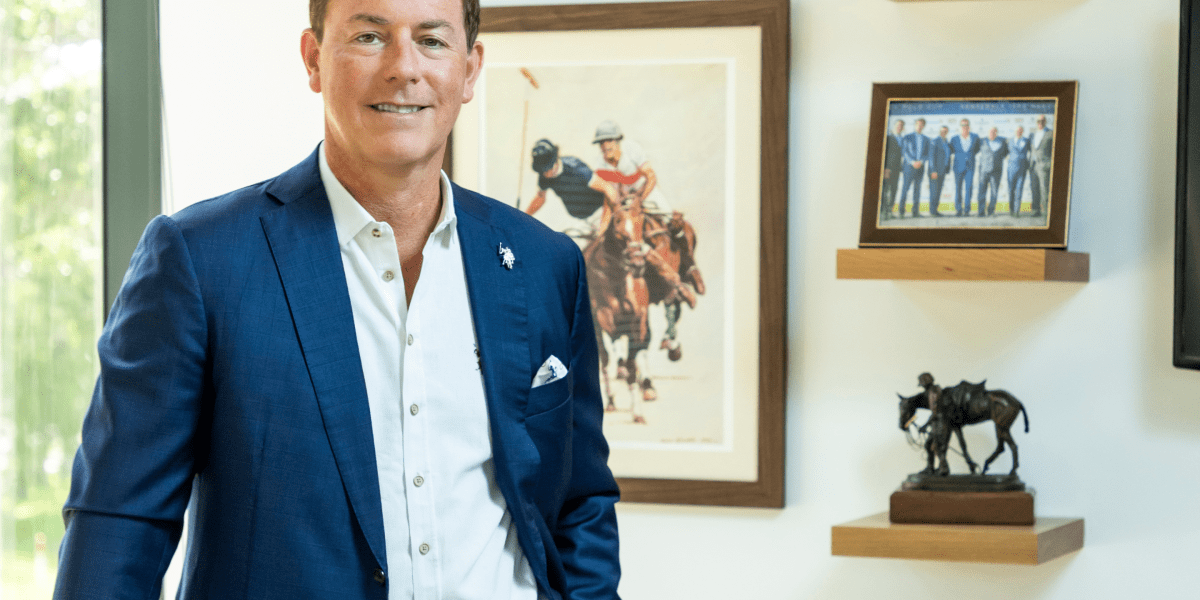
Prominent executives such as U.S. Polo Assn. CEO J. Michael Prince and Netflix cofounder Marc Randolph exemplify a cultural shift toward sustainable leadership by instituting firm boundaries around work hours—leaving the office by 5:30 p.m., avoiding weekend communications, and enforcing weekly cutoffs—to protect mental health and model balanced work practices. These leaders candidly reflect on the detrimental effects of their earlier 90-hour workweeks, advocating for smarter work habits and self-care as essential for career longevity, signaling a growing recognition that leadership effectiveness depends on balancing ambition with well-being.
A nuanced perspective from startup founders and investors reveals that while periods of intense, elite-athlete-level effort are sometimes necessary, sustainable success hinges on personal choices and systemic cultural changes that allow for recovery and long-term health. Leaders like Andre and others stress the importance of 'zooming out' to maintain perspective, balancing the dual demands of speed and endurance in startup careers, and integrating rest with work. This mindset aligns with Paul Graham’s advice to founders about the irreplaceable value of family time and adapting work schedules to accommodate life’s realities, challenging the notion that ambition must be sacrificed by parenthood and emphasizing that sustainable careers require both individual responsibility and cultural evolution.