World cup jersey wars: tech triumphs, fashion fumbles, and the battle for fan hearts
The gist
Nike and Adidas are turning the 2026 World Cup into a high-stakes style and tech showdown, blending national pride, fashion, and cutting-edge innovation—sometimes with controversy.
What to know
- Nike’s new jerseys use advanced computational modeling and recycled fabrics to double airflow and boost thermal regulation, but an AI-driven shoulder design misfire led to on-field bulges and last-minute fixes.
- Adidas’s Belgium kit pays clever homage to René Magritte, while Nike’s France away shirt channels the Statue of Liberty, making national identity the star of the pitch.
- Pinterest searches for World Cup shirts soared 840% year-over-year, as social media shapes fan frenzy and brands scramble to fix production hiccups in real-time.
Brands Battle for Hearts
Nike and Adidas invest years and millions into emotionally charged campaigns, fashion collaborations, and digital storytelling to turn World Cup jerseys into global cultural icons.
Leading brands like Adidas and Nike have meticulously crafted their World Cup strategies years in advance, investing heavily in blockbuster campaigns and athlete endorsements to build deep emotional connections and global visibility. Adidas’s $67 million Backyard Legends campaign exemplifies this long-term vision, while Nike’s multi-year collaboration with U.S. Soccer, involving players directly in jersey design and leveraging cutting-edge technology like computational airflow modeling, underscores a dual focus on performance and emotional resonance. This strategic depth is critical as the 2026 tournament expands across the US, Canada, and Mexico, presenting fresh growth opportunities in emerging soccer markets where fan engagement is still developing.
Brands are increasingly blending sport with culture and fashion to captivate diverse global audiences, using culturally attuned storytelling and high-profile collaborations that elevate football apparel beyond the pitch. Nike’s partnerships with Palace and Jacquemus, alongside Adidas’s Willy Chavarria collaboration showcased at Paris Fashion Week, tap into the rising consumer appetite for style-first sportswear. Celebrity endorsements like Kylian Mbappé fronting Dior’s 2026 campaign and Jude Bellingham’s ongoing Louis Vuitton ambassadorship illustrate how luxury brands align with players’ personal style moments, such as pre-game tunnel walks, to forge emotional connections with both youth and luxury consumers worldwide.
The shift toward football as a cultural and fashion moment is amplified by savvy use of social media platforms, particularly TikTok and Pinterest, where style-focused content drives fan engagement and shapes brand narratives. Pinterest’s staggering 840% year-on-year surge in World Cup shirt searches, coupled with FIFA’s endorsement of TikTok as a preferred platform, reflects how brands harness short-form video and visual discovery to connect with younger, style-conscious audiences. This digital strategy complements the physical product innovations and storytelling efforts, creating a holistic brand presence that resonates across multiple touchpoints during the World Cup.


Tech Meets Trial and Error
Nike’s cutting-edge jersey innovations wowed players but exposed the risks of AI-driven design, as late-stage shoulder flaws forced urgent fixes on the world stage.
Nike’s 2026 World Cup jerseys represent a pinnacle of technological innovation, combining advanced computational modeling with custom knit materials to significantly enhance ventilation—doubling airflow compared to traditional jerseys. By leveraging thermal chambers and motion-capture technology, Nike meticulously optimized breathability, moisture management, and thermal regulation, while engineering a new fully recycled fabric with targeted mesh stitching to meet players’ demands for comfort in extreme heat conditions.
Despite these cutting-edge advancements, Nike’s integration of AI in the design process introduced unforeseen challenges, most notably the widely criticized awkward, pointed shoulder aesthetics that sparked a scandal. Although these AI-induced flaws did not impair athletic performance, the late discovery of such issues—requiring federations to steam and wash jerseys to mitigate bulges—highlighted the risks of relying heavily on AI without sufficient human oversight, especially when corrective measures come too late for major events.
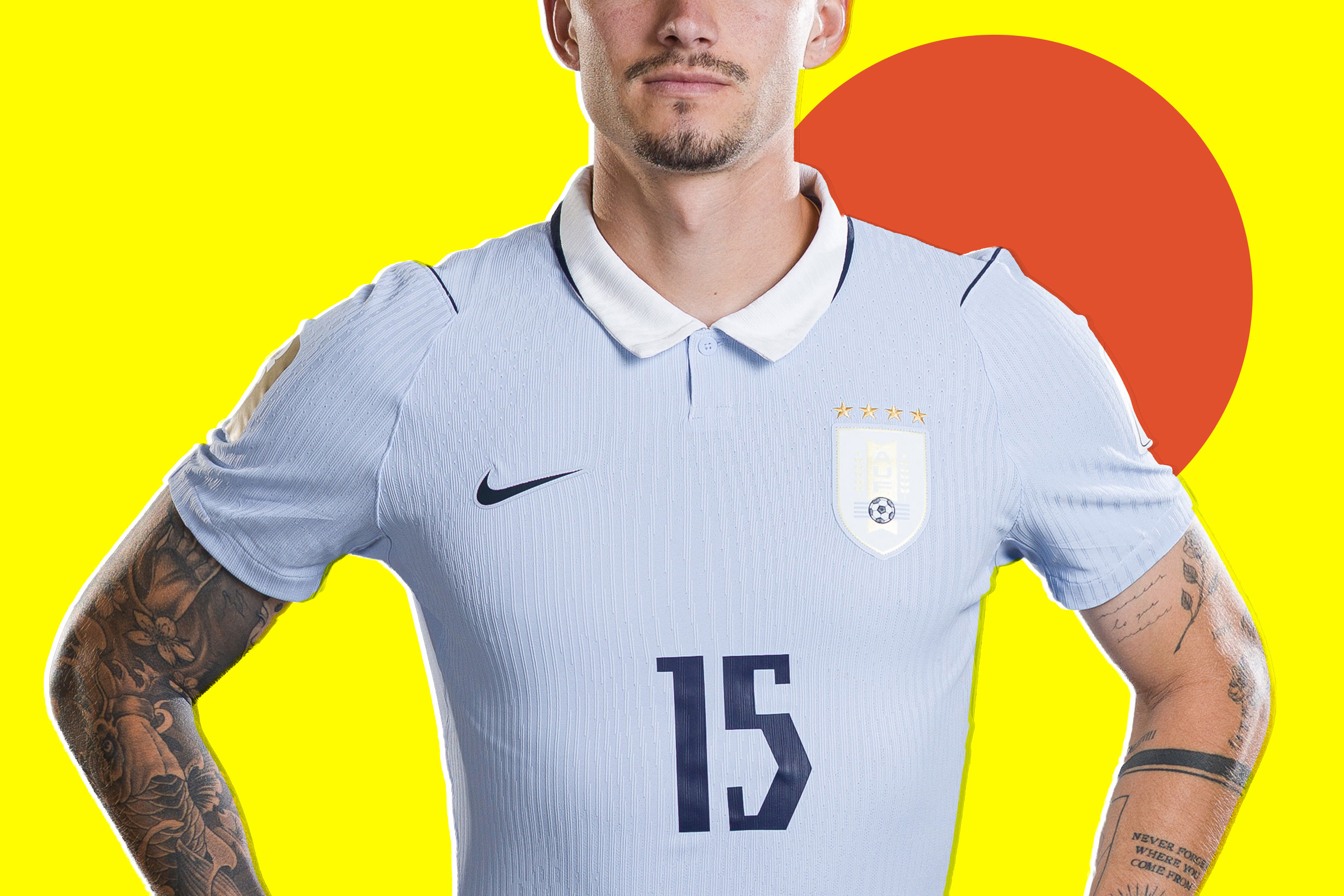
Nike’s player-centered approach, involving two years of focus groups with athletes like Christian Pulisic, ensured the jerseys not only performed exceptionally but also delivered on aesthetics and comfort, with players calling them the best-looking and best-feeling kits they’ve worn. However, even with rigorous testing and early identification of issues such as shoulder seam bulges on jerseys for teams like France and Uruguay, some imperfections persisted into early matches, underscoring the complexity of balancing innovation with flawless execution under tight timelines.


Heritage Woven Into Every Thread
Adidas and Nike fuse national art, fashion, and tradition into their kits, using creative symbolism and nostalgic details to deepen fans’ emotional connection to the game.
Adidas and Nike have masterfully woven cultural heritage and iconic artistic elements into their 2026 World Cup jerseys to deepen fan connection and celebrate national identity. Adidas’s Belgium jersey, for instance, draws directly from Belgian surrealist René Magritte, featuring a blue and pink pattern inspired by his signature motifs and the phrase 'Ceci n’est pas un maillot' on the neck, blending art with sport in a clever homage. Meanwhile, Nike’s France away kit channels the Statue of Liberty’s distinctive green patina, incorporating the monument’s crown silhouette and the word 'Liberté' inside the interior tag, while also showcasing traditional symbols like the rooster and two stars to evoke national pride and history.
Beyond aesthetic symbolism, these brands balance cultural storytelling with cutting-edge technology to enhance player performance under challenging conditions. Nike’s advanced sports research lab employs thermal chambers and motion-capture technology to simulate extreme heat and humidity, enabling the development of breathable, recycled fabrics with mesh stitching that optimize thermal regulation. This integration of heritage and innovation ensures that the jerseys not only resonate emotionally with fans but also meet the rigorous demands of elite athletes.
Design elements such as collars on jerseys further reflect federations’ desires to connect with historical and cultural identity, blending tradition with modern aesthetics. Nike’s inclusion of collars on France’s and Uruguay’s home kits harkens back to classic styles prevalent in past decades, with France leveraging its reputation as a fashion capital to create a look that is both nostalgic and contemporary. This nuanced attention to detail underscores how national pride is expressed not only through colors and symbols but also through subtle sartorial choices.
Collaboration Under Pressure
Intense brand-federation teamwork and fan input shaped both the cultural meaning and technical performance of 2026 kits, as real-time problem-solving became crucial amid production hiccups.
The creation of the 2026 World Cup jerseys exemplifies a meticulous collaboration among leading brands like Nike and Adidas, national federations, athletes, and fans to harmonize high-performance functionality with deep-rooted cultural identity. Phil McCartney of Nike emphasized the importance of fan input, explaining how understanding what it means to wear a Uruguay, France, or Canada jersey informs the fusion of national pride with cutting-edge innovation, ensuring the designs are both beautiful and meaningful. This collaborative ethos is evident in France’s away kit, which features a light green hue inspired by the Statue of Liberty’s patina, incorporating the word “Liberté” within the monument’s crown silhouette and a rooster emblem adorned with two stars symbolizing their World Cup triumphs, thereby enriching fan engagement through cultural symbolism.
Balancing aesthetics with athletic performance demanded rigorous testing in Nike’s advanced sports research labs, where thermal chambers and motion-capture technology simulated the intense heat and humidity players face on the pitch. These tests validated innovations such as fully recycled fabric blends and mesh stitching designed to optimize breathability and moisture management, ensuring athletes remain comfortable under pressure. However, even with extensive pre-tournament trials, production challenges arose—most notably the shoulder seam bulges observed on France and Uruguay jerseys during early matches. Nike’s proactive response involved close coordination with federations to rectify these issues swiftly, underscoring a commitment to delivering both functional excellence and consumer satisfaction.