What practice best assesses founders for long-term investment?
Most answers focus on personal qualities—commitment, conviction, magnetism, or early achievements—while a few emphasize co-founder dynamics, unique insight, or a strong personal connection.
10 answers
Answers
🚀Michal Rokosz
Partner
Early achievements
Michal Rokosz says he looks for early entrepreneurial achievements—a pattern at his fund, like founders who sold things or built games as kids—calling that his type of founder.
Not Another CEO · Not Another CEO · Read

David Weisburd
Founder · Weisburd Capital
Talent magnetism
David Weisburd endorses the Ashton Kutcher rule: invest if you feel compelled to quit your work to join the founder, because it shows they're a talent magnet drawing people to their vision.
The answer starts at 6:02.
How I Invest with David Weisburd · Listen on Apple Podcasts

Emily Bennett
Investment Partner · Andreessen Horowitz
Co-founder dynamics
Emily Bennett says she watches co-founder dynamics: how they engage, give space, divide roles, and work together. She says it isn’t a dealbreaker, but what matters is time spent building together.
a16z speedrun · a16z speedrun · Read
Kenan Saleh
Investment Partner · Andreessen Horowitz
Full commitment
Kenan Saleh says the most important thing is full commitment: a founder being fully bought into starting a company and willing to leave their job to do it full time; he says other factors are flexible.
A16Z GAMES · A16Z GAMES · Read

Bill Ackman
Founder and Chief Executive Officer · Pershing Square Capital Management
Weight the person
Bill Ackman says he weights the person more than the idea, because the original idea often isn’t the one that succeeds and the founder has to manage challenges and figure out a business model over time.
The Knowledge Project with Shane Parrish · The Knowledge Project with Shane Parrish · Listen at 29:01
Gili Raanan
Cyberstarter · Cyberstarts
One conversation
Gili Raanan says it's typically one conversation: in most cases he knows he's an investor after about 10 minutes, though it takes him a few years to figure out why.
Aleph · Watch on YouTube
Morgan Flager
Managing Partner · Silverton Partners
Founder’s conviction
Morgan Flager says he needs to be very convinced of a founder's conviction—that they're in it for the long haul, want to win, won't walk away, and attach their personal reputation—because grit and resolve matter.
VC10X with Prashant Choubey · Watch on YouTube
Miles Grimshaw
Partner · Thrive Capital
Recruiting gut check
Miles Grimshaw says the gut question he always asks himself is, “Can I imagine recruiting for this?”
The answer starts at 1:23:42.
Dialectic · Listen on Apple Podcasts

Brian Singerman
Partner · Founders Fund
Personal connection
Brian Singerman says he uses no checklist or rubric, instead looking for founders who "spike with me"—people he personally connects with—because the attribute lists he tried never worked or proved accurate.
Uncapped with Jack Altman · Watch on YouTube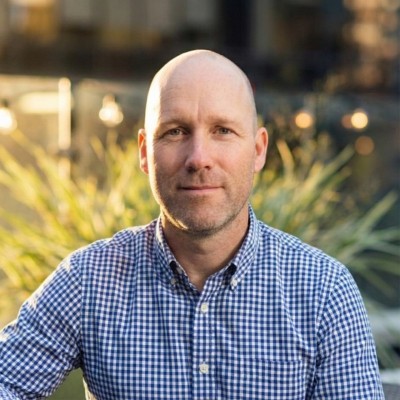

Jason Gray
Founder & Managing Partner · Pioneer Fund
Unique insight
Jason Gray says his answer is unique insight—what a founder sees that the rest of the market may not—and adds rate of progress as an additional factor.
Fun Raising · Fun Raising · Listen at 25:53
More Venture Capital questions
View all →- What skill most improved your investment decisions?9 answers
- How do you support founders facing tough challenges?10 answers
- What traits show a founder is truly mission-driven?11 answers
- How do AI-native startups outpace incumbents?14 answers
- What qualities matter when investing in deep tech startups?20 answers