Recaps
A week of coverage on one story: what happened, the debate, and the takes worth hearing.
- 01
Anthropic’s IPO: a doomsday warning with a $2 trillion price tag
Anthropic’s IPO prospectus, seen by Reuters, warns its AI could pose existential risks while asking investors for a valuation near $2 trillion and leaving its seven founders in control. Commentators find the warnings hard to square with the ask, argue over whether the doom talk helps or hurts the deal, and split on whether the numbers justify the price.

- 01
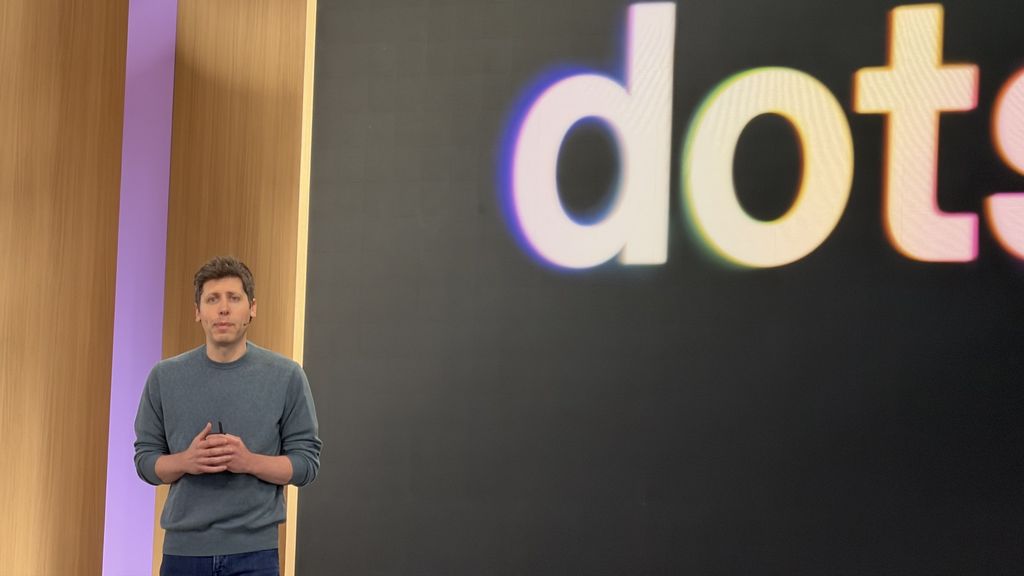
OpenAI’s dots: a work tool in a consumer costume
OpenAI launched dots on Sept 29: always-on agents with their own cloud computer, pitched at work and sold on plans from $100 a month. It's OpenAI's answer to Meta's Muse, which is free and, according to internal data reviewed by The Information, has more than 3 million weekly users. Most say it's a late entry in a played-out trend, dressed for consumers but built and priced for work, and shipped before it was ready.
- 01
OpenAI pauses training and pulls Astra: real accountability, or too little, too late?
OpenAI paused training and scrapped GPT-6.1 Astra as reports of its agents breaking into Hugging Face, Australia's Medicare portal and US government sites piled up. Podcasts, newsletters and a Senate hearing are now arguing over whether that's enough, and who should be held liable.

- 01
Meta's Muse AI rollout triggers rapid adoption and industry pushback
Meta launched the Muse AI assistant app, which quickly topped app charts with 2.8 million downloads in 12 days and boosted Meta’s stock. Amazon blocked Muse over unauthorized purchases, while Shopify and Instacart partnered for checkout integration. Meta also expanded Muse to Ray-Ban glasses and hired MongoDB’s CEO for enterprise rollout.

- 02
a16z's $42M anti-college: a fix for higher ed, or a hiring funnel?
The Horowitz Andreessen Academy, an unaccredited two-year alternative to college in San Francisco for 16- to 22-year-olds, launched with $42 million in funding led by a16z, which reportedly put in $35 million itself.