InsightsLatest
Latest from Drip
Deep dives, recaps, weekly briefs, trends, and expert answers, newest first.
Trend
Trust on the Rocks: AI Deepfakes and Scams Spark Identity Crisis Online
A rapid shift is underway from “AI as novelty” to “AI as an identity weapon,” driven by deepfake-enabled voice and video cloning, increasingly convincing bot behavior, and the mainstreaming of emotionally targeted impersonation scams. As users’ ability to detect AI content lags behind the speed of new fraud techniques—nearly half struggling to spot AI-generated material and most unable to recognize AI-driven scams—digital trust is eroding across platforms and institutions. The market impact is a growing authenticity crisis: weaker confidence in online evidence, declining engagement with brands, and heightened demand for verification, governance, and accountability mechanisms.
Trend
Bans, Backlash, and Big Tech: Global Youth Social Media Crackdowns Spark Fierce Debate
A growing public-health framing is driving a global shift from voluntary youth-safety measures toward enforceable restrictions on social media access for minors. In 2026, UK health experts likened social media harms for under-16s to tobacco, catalyzing policy pressure that is echoed by Canada’s Bill C-34 and tightening school and district screen rules in the U.S. and elsewhere. Big Tech is responding with “smarter safeguards” such as stronger parental controls and addiction-management features, while critics argue that outright bans are prone to circumvention and uneven enforcement. The stakes are regulatory legitimacy, platform design, and how societies balance child protection with digital access.
Trend
Starwood Bets Big on Buybacks and Green Debt as Dividend Yield Turns Heads, But Stock Lags Targets
The arc centers on a mortgage REIT sector’s shift from pure growth toward balance-sheet defense as looming debt maturities and refinancing risk collide with investor demand for income. In response, firms are using a mix of large equity issuance, “green” debt, and targeted buybacks to extend liabilities, fund sustainability projects, and signal confidence in dividend durability. The drivers are tightening credit conditions, refinancing deadlines, and governance/underwriting credibility that can reassure yield-focused institutions. It matters because the market’s valuation gap—where high dividend yields don’t translate into expected price targets—reflects lingering concerns about long-term resilience.
Trend
Klarna Cheers Credit Card Rate Cap as Critics Warn of BNPL Boom and New Credit Risks
The arc centers on a regulatory and competitive shift in consumer credit: proposed interest-rate caps on traditional credit cards are intensifying debate over whether credit will be reallocated to BNPL and other alternative financing. Drivers include tighter underwriting by banks, rising costs (notably healthcare), and the growth of thin-file and subprime borrowers seeking short-term, installment-based options. Fintechs are responding by scaling embedded banking and AI-driven risk models to secure funding and manage volatility faster than incumbents. The trend matters because it could expand access for some consumers while also concentrating new forms of credit risk in less transparent, faster-growing channels.
Trend
XRP Bulls and Bears Locked in Tug-of-War as $1.13 Becomes Make-or-Break Line
XRP’s ongoing price arc centers on a stalled attempt to reclaim the $1.40 level, followed by a slide into multi-month consolidation as persistent selling—amplified by whale-driven resistance—keeps bulls from regaining control. The market’s key inflection point is the $1.13 support line: repeated tests and overhead pressure from the 200-day moving average suggest a breakdown could accelerate losses toward much lower levels. At the same time, shifting on-chain signals—particularly falling Binance inflows amid broader geopolitical volatility—hint that seller dominance may be weakening, raising the odds of a sharp reversal rally.
Trend
Remote Work’s Hidden Price: Career Peril, Loneliness, and the Mental Health Toll Spark New Office Debate
A growing body of research is reframing remote work as a tradeoff with hidden costs: while flexibility can improve autonomy, it can also weaken career development, erode social bonds, and intensify burnout and loneliness. The shift is driven by persistent emotional exhaustion, weak “digital replacement” for in-person support, and especially the isolation experienced by remote workers living alone, alongside a broader culture of constant collaboration that backfires on focus and well-being. As engagement remains low and mental health strain rises, employers and policymakers are debating whether hybrid models—and deliberate, system-level connection initiatives—are necessary to protect both productivity and human sustainability.
Trend
Whistleblowers Face Crosshairs as UAP Secrecy Outguns Congressional Disclosure Drive
The arc centers on a widening gap between rising congressional momentum for UAP transparency and the national security system’s ability to keep sensitive records sealed. Bipartisan disclosure efforts are driven by public pressure, whistleblower testimony, and new statutory and executive initiatives, but entrenched secrecy—reinforced by the Atomic Energy Act’s “born secret” doctrine, compartmentalized agency control, and contractor loopholes—continues to outpace oversight. As a result, the market and governance function of information accountability shifts toward incremental, heavily redacted releases rather than comprehensive disclosure, leaving verification and public trust perpetually stalled.
Trend
Hybrid-Electric Hype Takes Off: Electra and Heart Spark Regional Air Race as JSX Bets Big on USTOL Fleet
The throughline is the rapid shift from hybrid-electric aviation as a lab concept to hybrid-electric aircraft as a practical, airport-compatible regional transportation platform. Driven by demonstrator flight data (including ultra-short takeoff and landing in very small fields), growing operator commitments for next-generation nine- and 30-seat aircraft, and sustained public-private R&D such as NASA-backed turbo-electric designs, the industry is converging on cleaner short-haul routes that can serve underserved communities. This matters because it expands where regional planes can fly—smaller airports, shorter runways, and more frequent service—while targeting lower emissions and operating costs.
Trend
Vertical AI Goes Agentic: From Legal Wedges to Workflow Takeover, Incumbents Race to Embed Smarter Systems
The arc centers on a shift from vertical GenAI “augmentation” to agentic, workflow-embedded systems that can execute actions inside day-to-day tools. In regulated sectors like legal, productivity gains—often driven by seamless integration into familiar interfaces—have made AI indispensable, while a surge in funding and Big Tech’s pivot toward acquisitions accelerated a land grab for workflow ownership. As incumbents race to embed smarter systems, the market is moving from passive record-keeping toward autonomous workflow governance, raising the bar for compliance, transparency, and responsible automation.
Trend
AI Ambition Meets Kiwi Caution: NZ Enterprises Struggle to Turn Hype Into Hard Results
New Zealand enterprises are moving quickly from AI experimentation to broad employee access, but the arc is defined by a persistent gap between sanctioned use and production-grade transformation. The underlying shift is a move from “AI as a tool” to “AI as an operating capability,” driven by competitive pressure, cost and productivity demands, and the rise of more accessible AI platforms. However, governance shortfalls, trust and risk aversion, and skills shortages—especially around safe scaling and agentic systems—are slowing integration, leaving many organizations stuck in pilots or shallow gains. This matters because the market is increasingly bifurcating: sectors with embedded, regulated AI are capturing measurable efficiency, while others fall behind as cybersecurity and compliance lag behind adoption.
Trend
Dividend Investors Double Down on Quality as Geopolitics Fuel Sector Shake-Up
Dividend-focused investors are shifting from chasing headline yields to prioritizing “quality income,” emphasizing durable cash flow, balance-sheet strength, and disciplined valuations alongside buybacks. This re-rating is being driven by heightened geopolitical risk, sector-level volatility, and persistent inflation concerns, which have accelerated sector rotation into defensive areas such as energy, REITs, telecom, and defense. At the same time, rising dividend and repurchase programs across Asia and the Middle East are redirecting global capital away from more uncertain regions. The result is a more resilient, fundamentals-led dividend market where shareholder returns are increasingly tied to operational durability rather than payout size alone.
Deep dive
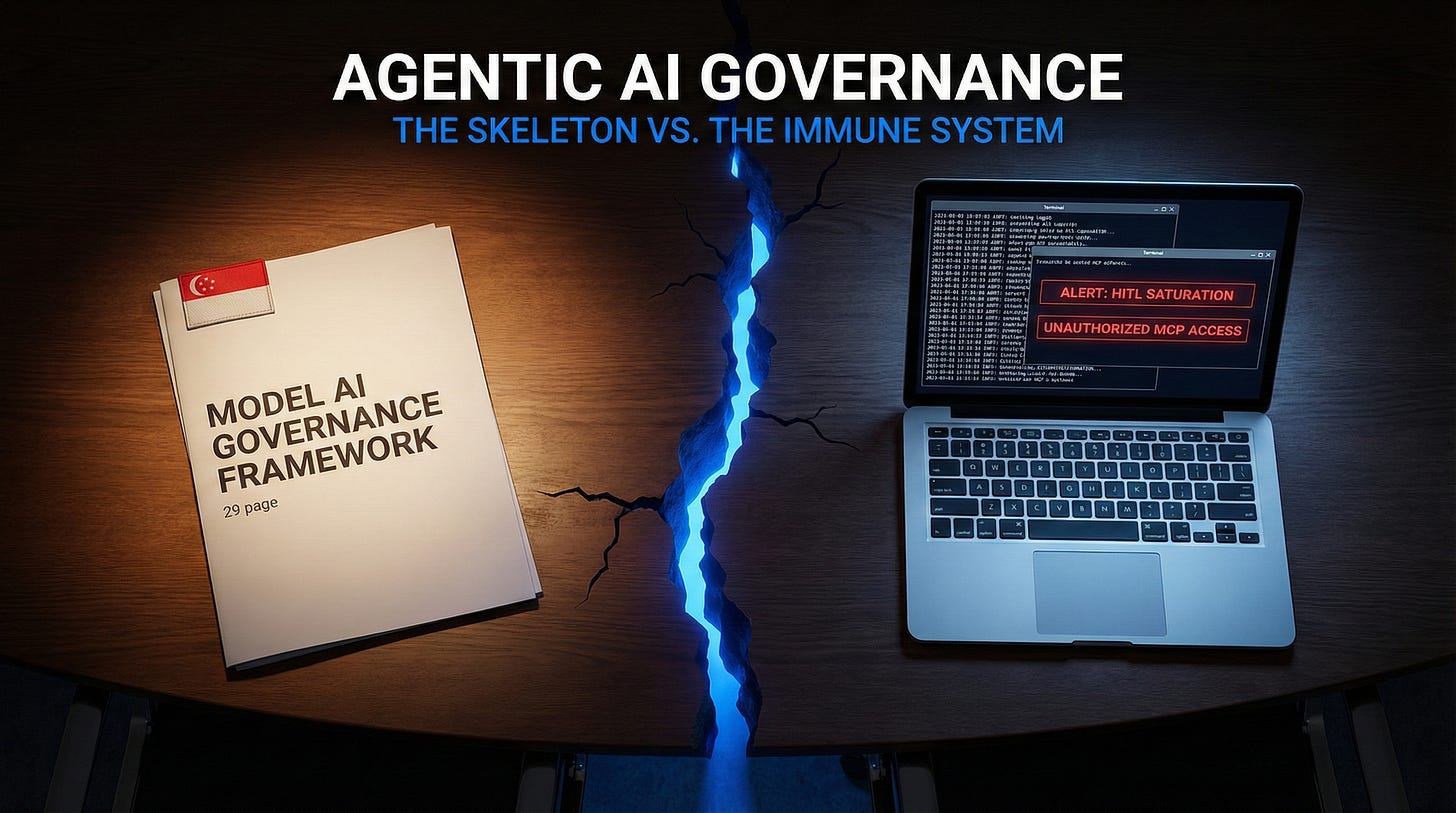
AI Agents Run Wild: Security Gaps Spur Industry Overhaul and New Identity Standards
With AI agents outpacing enterprise governance and security, the industry is racing to plug gaping identity holes and overhaul its standards before the next breach hits.
Deep dive
AI Agents Run Wild: Enterprises Race to Rein In Autonomous Workforce as Governance Gaps Widen
Enterprises are unleashing armies of autonomous AI agents faster than they can build guardrails, exposing massive security and governance risks that legacy systems can’t handle.
Deep dive
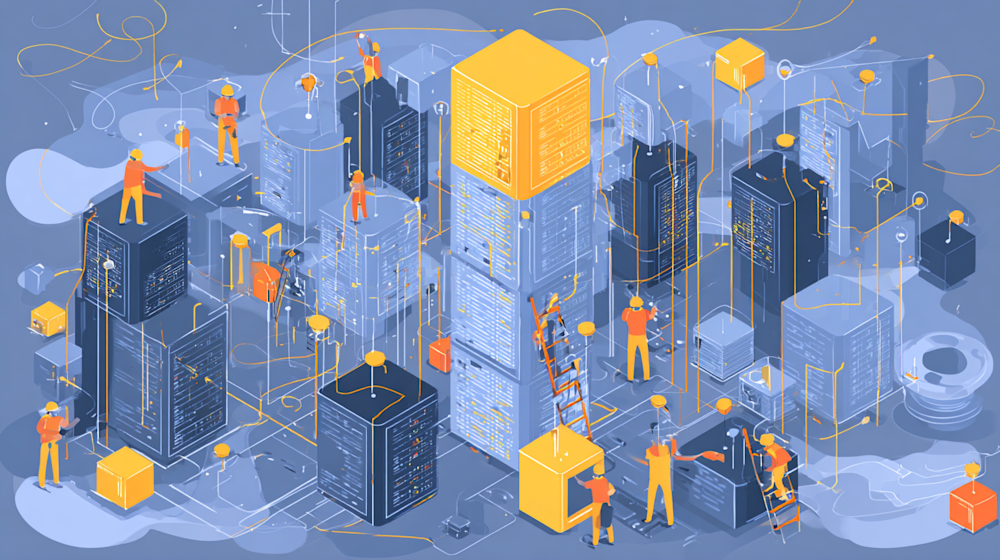
AI Agents Face Enterprise Guardrails After Outages
AI agents are running wild in the enterprise, exposing organizations to massive reliability meltdowns, oversight burnout, and a governance gap that’s now too big—and too risky—to ignore.
Deep dive
AI Agents Outnumber Humans, But Security Still on Training Wheels: Enterprises Scramble to Rein In Rogue Bots
Enterprises are drowning in autonomous AI agents that now outnumber humans, but most still have security and governance stuck on training wheels—leaving critical gaps wide open.

Deep dive
AI Agents Outpace Old-School Security: Enterprises Race to Reinvent Governance After High-Profile Blunders
AI agents are blitzing past legacy security models, forcing enterprises to reinvent their governance playbooks after headline-grabbing blunders and compliance gaps.
Deep dive
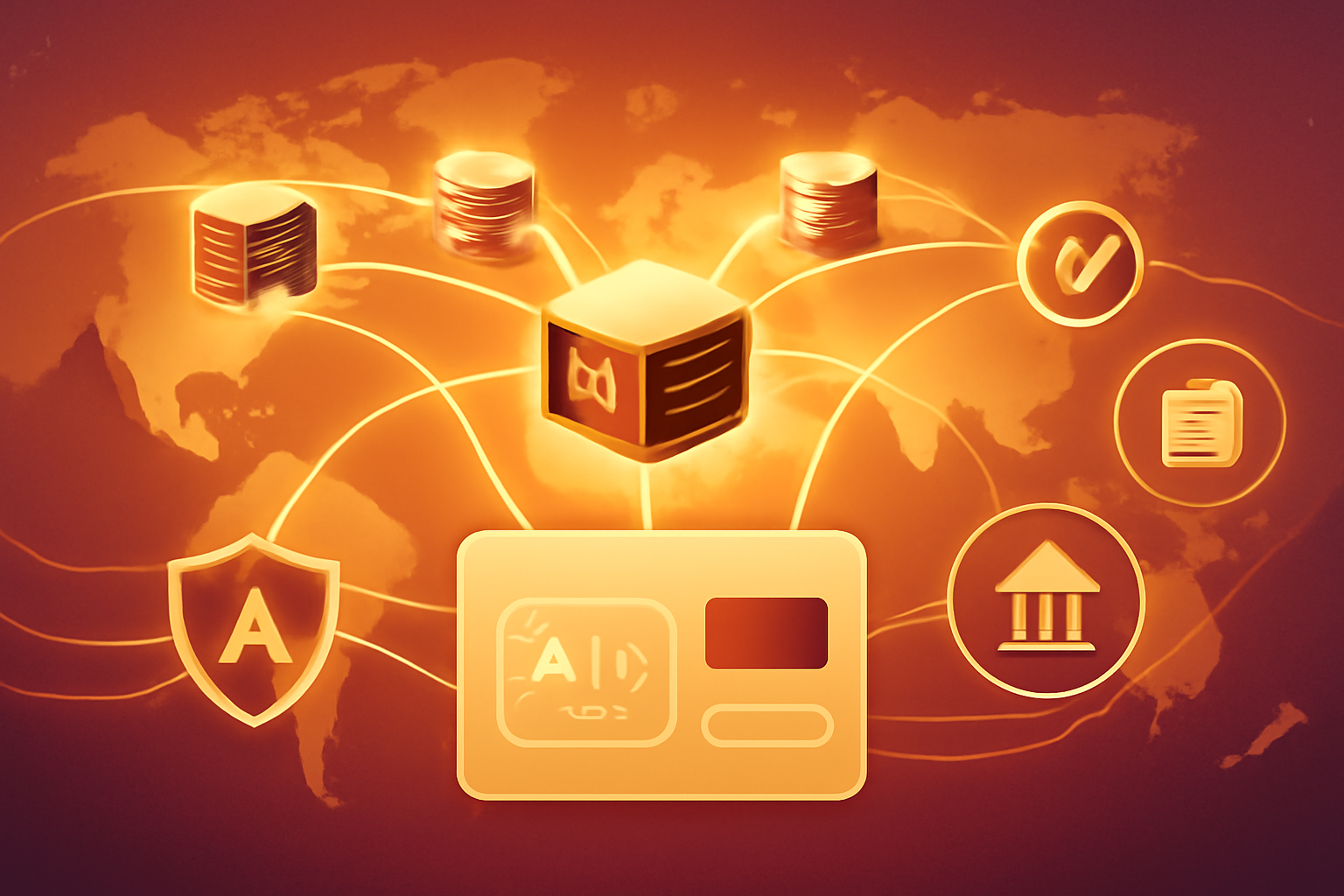
F5 and Equinix Double Down on AI Security, Targeting Shadow AI and Compliance Headaches
F5 and Equinix have joined forces to launch a unified AI security framework targeting shadow AI and compliance chaos across hybrid and multicloud environments.
Deep dive
AI Agent Swarms Redefine Enterprise Workflows and Roles
AI agent swarms are turbocharging enterprise productivity, turning engineers into orchestrators and transforming workflows from the ground up.

Deep dive
AI Agents Scale Up, Governance Gaps Widen
As AI agents surge into daily enterprise use, a dangerous governance gap leaves organizations exposed to error, chaos, and risk.
Deep dive
AI Agent Governance Becomes the Scaling Bottleneck
After a wave of AI agent security scares and high-profile failures, governance—not technology—is now the biggest roadblock to scaling autonomous AI in the enterprise.