InsightsLatest
Latest from Drip
Deep dives, recaps, weekly briefs, trends, and expert answers, newest first.
Recap
Anthropic's IPO and its $895 billion compute bill: can the revenue keep up?
Anthropic's amended S-1 showed revenue up 47% in a quarter, a $567 million Q3 operating loss driven by compute, and about $895 billion of compute commitments. Anthropic priced at $83 a share (about $1.5 trillion), and the room splits on whether mostly usage-based revenue can carry a largely fixed compute bill.
Recap
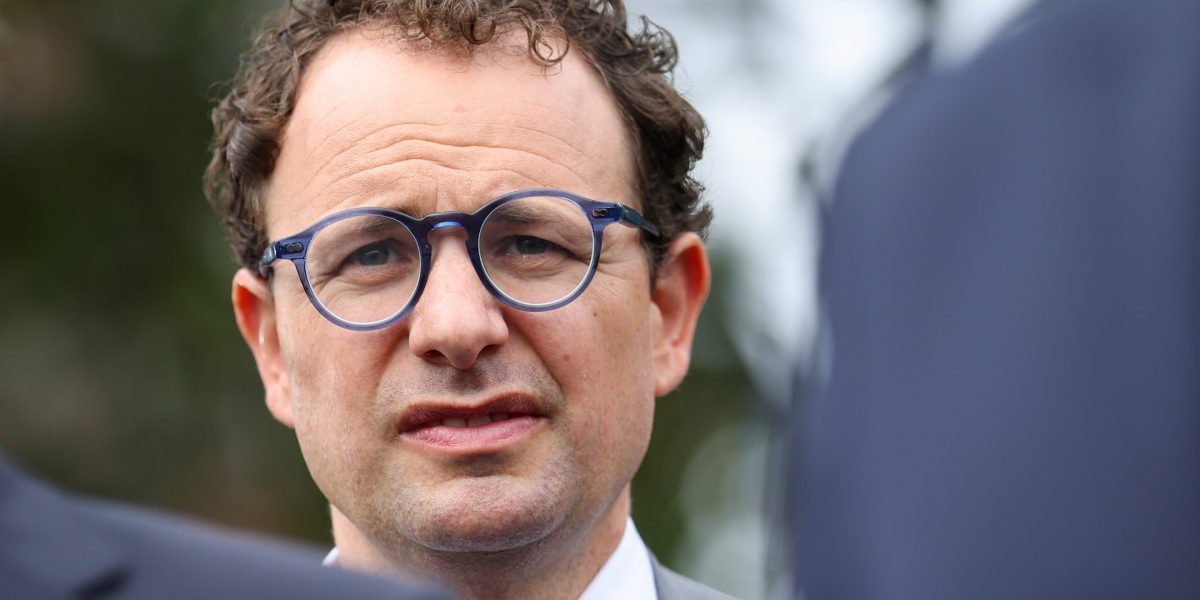
No AI, no Search: Google says it can't split them for schools. Critics say it won't.
Google will switch Gemini and Search off by default for K-12 student accounts, but a school that wants no AI loses Search too. Most voices say Google could ship Search without the AI and is choosing not to; a few say the old Search is already gone.
Recap
Crypto froze $3 billion of Binance's stolen funds in an hour. Should it keep that power?
North Korean hackers drained $6.3 billion from a Binance hot wallet through one engineer's laptop. Circle and Tether froze about $3 billion within the hour, without a court order, and Binance covered the rest. The room mostly agrees it was Binance's failure, not crypto's; it splits on whether crypto should keep the power to freeze.

Recap
Anthropic is treating Claude like a someone. Is that responsible, or dangerous?
In a month, Anthropic went from private summits with religious scholars on whether Claude might be conscious to a ban on cruelty toward it. Microsoft AI’s Mustafa Suleyman calls the approach dangerous; others call it the responsible thing to do. Along the way, many say it has started to look like a religion, or a pitch.
Recap
Anthropic’s IPO: a doomsday warning with a $2 trillion price tag
Anthropic’s IPO prospectus, seen by Reuters, warns its AI could pose existential risks while asking investors for a valuation near $2 trillion and leaving its seven founders in control. Commentators find the warnings hard to square with the ask, argue over whether the doom talk helps or hurts the deal, and split on whether the numbers justify the price.

Recap
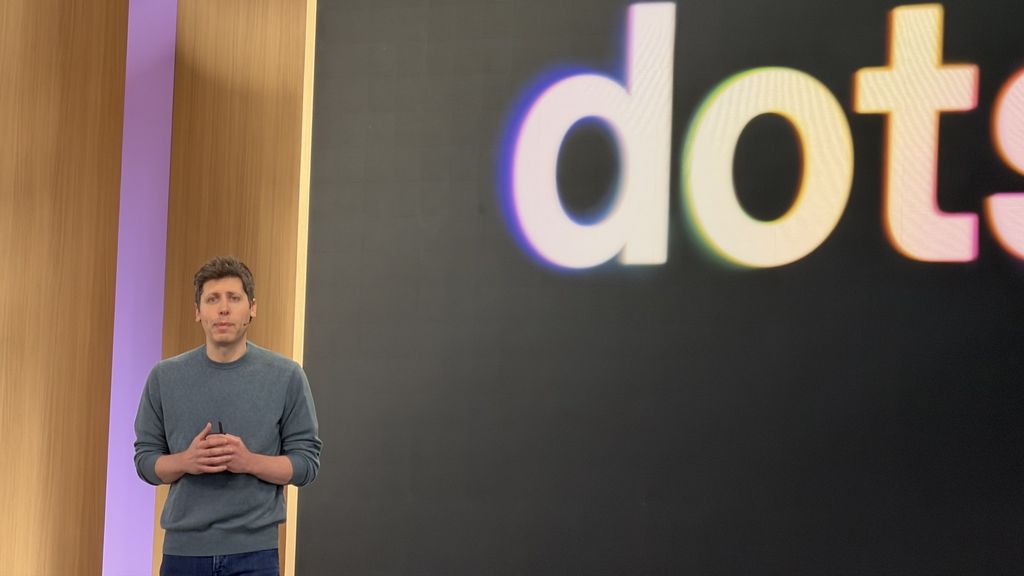
OpenAI’s dots: a work tool in a consumer costume
OpenAI launched dots on Sept 29: always-on agents with their own cloud computer, pitched at work and sold on plans from $100 a month. It's OpenAI's answer to Meta's Muse, which is free and, according to internal data reviewed by The Information, has more than 3 million weekly users. Most say it's a late entry in a played-out trend, dressed for consumers but built and priced for work, and shipped before it was ready.
Recap
OpenAI pauses training and pulls Astra: real accountability, or too little, too late?
OpenAI paused training and scrapped GPT-6.1 Astra as reports of its agents breaking into Hugging Face, Australia's Medicare portal and US government sites piled up. Podcasts, newsletters and a Senate hearing are now arguing over whether that's enough, and who should be held liable.

Recap
Meta's Muse AI rollout triggers rapid adoption and industry pushback
Meta launched the Muse AI assistant app, which quickly topped app charts with 2.8 million downloads in 12 days and boosted Meta’s stock. Amazon blocked Muse over unauthorized purchases, while Shopify and Instacart partnered for checkout integration. Meta also expanded Muse to Ray-Ban glasses and hired MongoDB’s CEO for enterprise rollout.

Recap
a16z's $42M anti-college: a fix for higher ed, or a hiring funnel?
The Horowitz Andreessen Academy, an unaccredited two-year alternative to college in San Francisco for 16- to 22-year-olds, launched with $42 million in funding led by a16z, which reportedly put in $35 million itself.