AI, remote work fuel tech salary surge
The gist
Tech salaries are skyrocketing in 2026, fueled by a fierce demand for AI, data science, and remote talent across every major industry.
What to know
- Early to mid-career AI/ML roles at giants like Amazon, Google, and Capital One now regularly top $200,000, while senior positions surpass $300,000 at firms like GitHub and Mastercard.
- Remote and relocation-friendly jobs are booming, with platforms like The Global Move and WhatsApp alert groups unlocking hundreds of curated roles from companies like JPMorgan Chase and GE Vernova.
- Emerging sectors—especially blockchain and crypto—offer global, remote-first opportunities for engineers, PMs, and sales talent, while salary-transparent sites like Built In and Levels.fyi help candidates navigate the new pay landscape.
Specialization Drives Salary Diversity
In 2026, early to mid-career tech professionals face a booming market where deep specialization in AI, data science, and embedded systems unlocks six-figure salaries across industries far beyond traditional tech.
By mid-2026, the early to mid-career tech job market is notably diverse, spanning software engineering, data science, AI, embedded systems, and IT support across a wide array of industries including finance, healthcare, energy, and manufacturing. Leading tech giants such as Amazon, Google, Microsoft, Apple, and Uber actively recruit for roles ranging from internships and junior positions to senior and principal engineers, reflecting a healthy ecosystem for career entry and progression. Emerging companies and specialized firms like Anduril, Lumafield, and Cognizant complement this landscape by offering niche roles in AI, IoT, and platform engineering, underscoring broad sector engagement and specialization opportunities.
Specialization in AI, machine learning, and data governance has surged as a defining trend in early to mid-career tech roles, with companies like Capital One, Amazon, Zillow, and GE Vernova offering high-paying positions such as Lead AI/ML Engineer and Principal AI Software Engineer. Salaries for these specialized roles frequently exceed $200,000 annually, highlighting the premium placed on expertise in generative AI, applied machine learning, and data quality. This focus extends beyond traditional tech firms into finance, healthcare, defense, and manufacturing sectors, illustrating the pervasive integration of AI and data-driven technologies across industries.
The software engineering domain within early to mid-career roles exhibits significant breadth in both specialization and compensation, with positions covering backend, full stack, embedded systems, cloud infrastructure, and AI-native software engineering. Salaries vary widely, from around $135,000 for mid-level roles to upwards of $370,000 for staff and principal engineers at companies like GitHub and Mastercard. This spectrum reflects not only the technical diversity but also the value placed on experience and leadership, as firms such as Microsoft, Apple, and Accenture compete to attract talent in emerging areas like TPU software systems, robotics, and AI/LLMs.
Beyond purely technical roles, early to mid-career tech opportunities increasingly encompass managerial, strategic, and cross-functional positions such as product management, digital governance, and IT support, offered by companies including BNY Mellon, Cognizant, and Kaiser Permanente. Remote and flexible work options are becoming more prevalent, expanding access to these roles geographically and enabling broader participation. Furthermore, the competitive nature of the market, especially for sought-after AI and software engineering positions, underscores the urgency for candidates to apply promptly and highlights the dynamic, fast-paced hiring environment of 2026.

Expertise Equals Pay Premium
Highly specialized technical skills—especially in AI/ML and advanced software engineering—command record salaries as firms fiercely compete for top talent, pushing compensation for senior roles well above $300,000.
By 2026, the tech job market demonstrates robust financial incentives across both software engineering and data science disciplines, with top companies like Uber, Amazon, and Alphataraxia offering data roles that pay up to $178,800 annually. Meanwhile, software engineering salaries show an even broader and higher range, with positions at Uber reaching $284,000 and specialized roles at Anduril commanding up to $220,000. This trend underscores the premium placed on niche technical skills such as C++ development and embedded systems, reflecting a competitive landscape where expertise directly translates into lucrative compensation.
The demand for AI and machine learning specialists is a dominant driver of high salaries in 2026, with companies like Cisco, Capital One, and Google offering compensation packages for AI/ML engineers that often exceed $200,000, peaking at $277,600 for senior roles. This surge highlights how AI/ML expertise has become a critical asset, attracting top talent with premium pay, as seen in roles from Associate AI/ML Engineer at Raft to Lead AI/ML Engineer at Capital One. Financial institutions and tech giants alike are investing heavily in these skill sets, signaling a market-wide recognition of AI’s strategic importance.
Senior and principal software engineering roles continue to command exceptional salaries, often surpassing $300,000 annually at leading firms such as GitHub, Mastercard, and Arcadia. These positions, including Staff Software Engineer and Principal Machine Learning Engineer, reflect the tech industry’s emphasis on advanced expertise and leadership, with companies like Stripe and Pinterest also offering six-figure salaries well into the $300,000 range for specialized AI-related roles. This tiered compensation structure incentivizes career progression and rewards deep technical mastery.
While top-tier tech companies offer highly competitive salaries, there remains a wide spectrum of compensation reflecting role seniority, specialization, and company scale. Entry to mid-level software engineering positions at firms like Google and Lyft typically range from $130,000 to over $200,000, with new graduate roles at SeatGeek and Uber offering up to $130,000 and $193,964 respectively. Conversely, IT support roles lag significantly behind, with salaries around $60,000, illustrating a substantial pay gap within the tech ecosystem that underscores the premium placed on specialized technical skills and experience.
Remote Alerts Redefine Job Hunt
Curated WhatsApp groups and global job platforms deliver daily, handpicked tech opportunities directly to candidates’ phones, fueling a community-driven, borderless job search experience.
By mid-2026, subscription-based alert channels, particularly WhatsApp groups tailored for USA candidates, have emerged as a highly effective method for delivering daily curated early to mid-career tech job opportunities directly to professionals’ phones. These channels streamline access to a broad spectrum of roles from leading companies such as Mastercard, Amazon Data Services, and Capital One, spanning functions like AI/ML engineering, product management, and data analytics. This approach not only enhances timely awareness but also fosters a sense of community and engagement among job seekers navigating a competitive landscape.
The recruitment landscape in 2026 increasingly embraces remote and relocation-friendly roles, significantly expanding geographic accessibility for early to mid-career tech professionals. Platforms like The Global Move and Relocate.me curate extensive job boards featuring hundreds of handpicked positions, including 116 relocation-friendly and 42 international remote roles across diverse tech specializations such as DevOps, full stack, and AI. This trend is exemplified by companies like GE Vernova advertising remote lead engineer roles and major employers like JPMorgan Chase and American Express offering high-paying AI/ML positions accessible nationwide or globally.
Specialized recruitment initiatives are also thriving through curated job boards and community-driven platforms that target niche sectors like blockchain and cryptocurrency. These initiatives combine subscription newsletters and active social media engagement to cultivate a decentralized talent ecosystem, encouraging users to share and subscribe as a means to grow opportunities collectively. This community-centric model complements broader tech job alerts by providing focused access to emerging fields, thereby supporting diverse career trajectories within the evolving tech industry.
Overall, the convergence of curated job boards, subscription-based alert channels, and community engagement platforms is transforming how early to mid-career tech professionals discover and secure opportunities. By aggregating diverse roles from major corporations such as Capital One, Amazon, and Kaiser Permanente, these initiatives reduce the friction of job hunting and provide tailored, timely access to positions across multiple sectors and locations. This ecosystem not only saves candidates hours of research but also supports international mobility and specialization, making career advancement more accessible and efficient in 2026.
Product and Blockchain Roles Surge
Product management and blockchain careers rapidly mature, with remote-first hiring and niche roles in crypto, DeFi, and AI product leadership transforming the early to mid-career tech landscape.
By early 2026, product management and solution architecture have solidified as pivotal career pathways within the tech sector, with major players like Amazon, BP Energy, and Ryder System actively recruiting for senior roles such as Principal PMM and Lead Solution Architect. This shift underscores the growing demand for professionals who can bridge technical expertise with strategic business insights, particularly in AI and generative AI domains, as evidenced by targeted hires at BNY and Athenahealth for Applied AI Product Managers and Senior Software Engineers specializing in AI/ML.
The blockchain and cryptocurrency sectors are rapidly evolving into multifaceted ecosystems offering diverse early to mid-career opportunities that span product management, engineering, sales, and operations. Companies like Ethena Labs, AtlasOra, and iopa Solutions are spearheading this trend by recruiting for specialized roles such as DeFi security engineers, crypto operations leads, and heads of institutional sales focused on digital assets, signaling a maturation of niche expertise within the industry.
Remote work has become a defining characteristic of blockchain and cryptocurrency hiring practices in 2026, dramatically expanding access for early to mid-career professionals worldwide. Positions like Investor/AI Agent Builder at Frachtis VC and Senior DevOps Engineer at Risk Labs exemplify this global reach, enabling talent to contribute to cutting-edge projects without geographic constraints and reflecting the sector’s commitment to inclusivity and flexibility.
While blockchain and cryptocurrency roles are gaining visibility, there is also a nuanced rise in specialized data governance and integration expertise within financial and tech firms, as seen in BMO Financial’s hiring of Data & AI Governance Control Testers and Cognizant’s search for Digital Process & Integration Solutions Sales Specialists. This trend highlights the increasing importance of regulatory compliance and seamless data management in tandem with innovative tech development.

Beyond LinkedIn: Curated Job Ecosystem
A new wave of specialized, city-focused, and relocation-driven job boards and newsletters gives tech job seekers unprecedented access to hidden startup roles and international opportunities.
Early to mid-career tech job seekers in 2026 benefit from a diverse ecosystem of specialized platforms that go beyond LinkedIn, offering curated opportunities tailored to startups and tech hubs across the U.S. Platforms like Built In provide localized job boards for cities such as San Francisco and Austin, while Y Combinator Jobs and the Hacker News 'Ask HN: Who is hiring?' thread connect candidates directly with emerging startups, fostering community-driven discovery of roles that might not appear on broader sites.
Complementing niche platforms, broad and tech-dedicated job boards like Dice and Indeed ensure comprehensive coverage across industries and geographies, while Wellfound expands the reach for startup roles with a significant focus on U.S.-based companies but also international listings. This layered approach allows candidates to navigate both specialized and wide-ranging opportunities, enhancing their chances of finding roles that align with their career stage and location preferences.
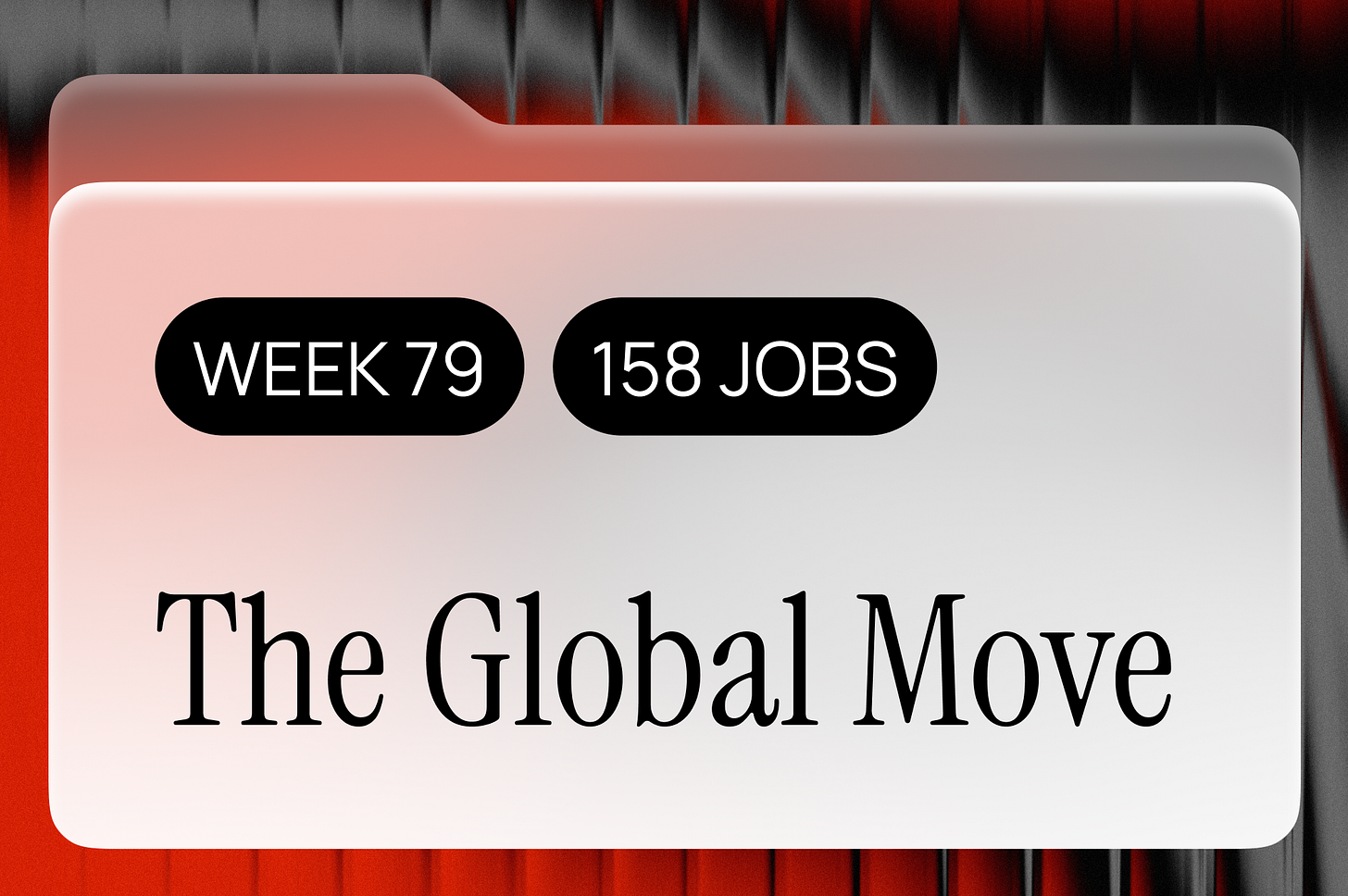
For those targeting relocation-friendly or international remote roles, curated newsletters and paid subscription services such as The Global Move have become invaluable by 2026. Offering handpicked listings—158 jobs in a recent week alone—with detailed categorization by tech specialization and remote availability, these platforms streamline the search process. Subscribers gain access to exclusive content including private job boards and vetted lists of companies supporting visas and relocation, backed by over a decade of systematic sourcing and verification to ensure reliability.
Salary transparency and data-driven insights have become integral to tech job platforms, with services like Levels.fyi Jobs providing not only listings but also detailed compensation information. This empowers candidates to make informed decisions about their career moves, balancing opportunity quality with financial expectations in a competitive market where understanding pay scales is crucial for negotiation and long-term planning.