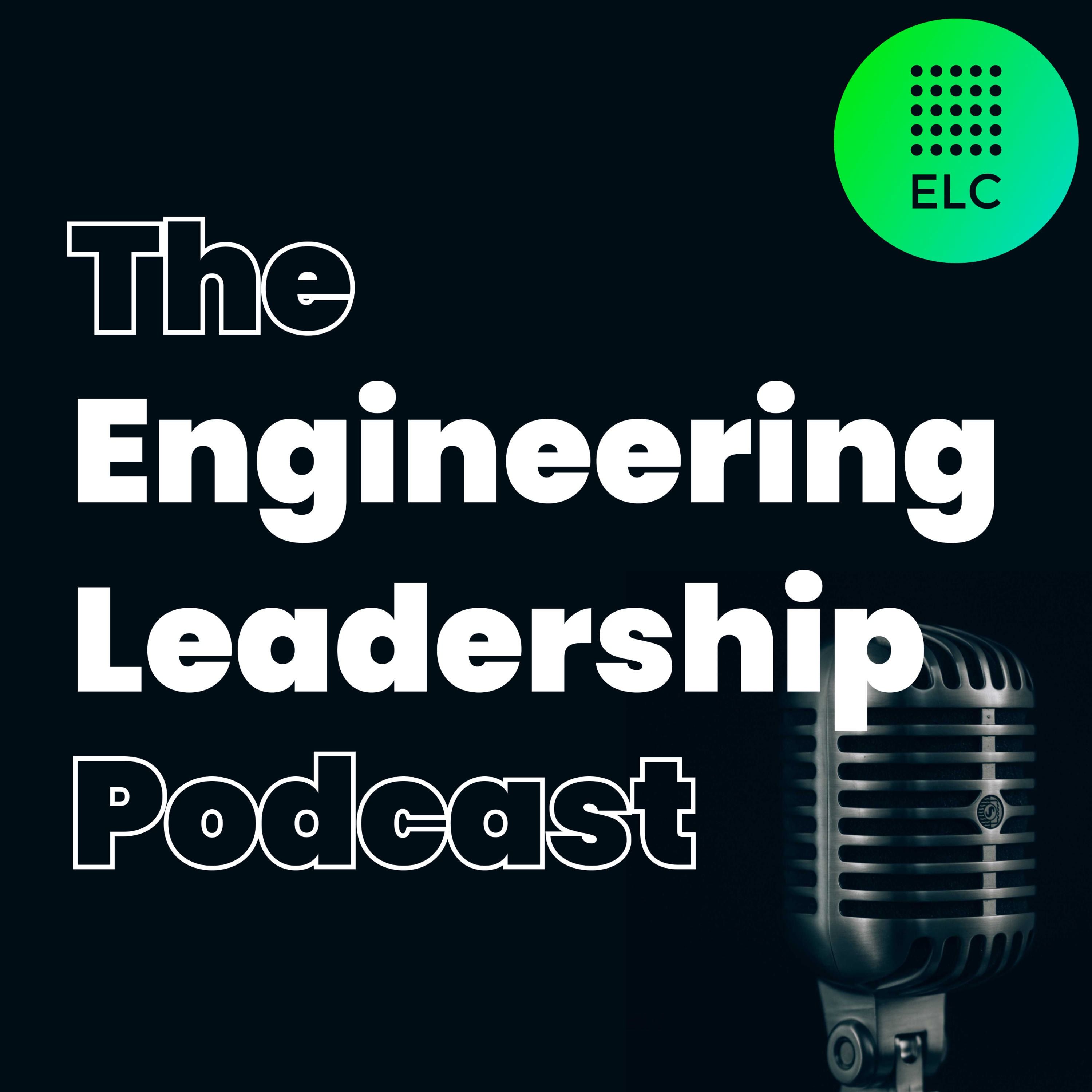
AI takes the wheel in software teams—but who’s checking the map?
The gist
As AI coding agents take over routine development, software teams are scrambling to balance turbocharged productivity with mounting technical debt, eroding mentorship, and a growing trust gap in their own data.
What to know
- 66% of engineering teams now use AI, but 82% don’t track its effectiveness—leaving leaders in the dark about real impact.
- AI-generated code is accelerating code churn and duplication (up 2x and 8x since Copilot’s debut), with security flaws found in roughly half of LLM-generated code.
- Mentorship and junior hiring are at risk as senior engineers pivot to AI oversight, but only 12% of leaders fully trust their data to measure true business value.
Engineering Roles Reimagined
AI is transforming developer archetypes, pushing seniors into orchestration and review while juniors risk being sidelined as teams shift toward judgment-led engineering and hybrid product roles.
AI tools are fundamentally reshaping engineering team structures, with nearly half of organizations reporting significant changes and a majority anticipating a decline in junior engineer hiring. However, despite 66% of teams adopting AI, most lack clear metrics to assess its impact—82% of organizations don't track AI effectiveness, and 60% cite this as a key challenge—making it difficult to fully understand AI's true value and optimize team composition accordingly.
The rise of AI coding agents and automation tools is shifting the core expectations for developers, especially juniors and seniors. Junior engineers are increasingly using AI to generate code, but this often results in functional yet unscalable outputs riddled with security and architectural gaps, necessitating more senior oversight and rigorous code review. As a result, senior engineers are evolving into orchestrators and reviewers, focusing on high-level problem solving, architecture, and validation, while the traditional 'Coding Machine' archetype—valued for sheer output—gives way to judgment-led engineering where critical thinking and decision-making are paramount.
AI's integration is catalyzing the emergence of new engineering archetypes and skillsets, such as prompt engineers, AI agent managers, and product-oriented senior engineers who blend technical depth with product vision. Companies like Coinbase and Zapier are leveraging custom AI workflows and lightweight agent 'pods' to automate routine tasks, enabling smaller, more senior-heavy teams to deliver at scale while focusing on supervision, orchestration, and rapid iteration. This shift is not only redefining roles but also blurring traditional boundaries, with designers and product managers increasingly coding prototypes, and engineers taking on product management responsibilities.
While AI democratizes code generation and boosts productivity—mid-level engineers with tools like Copilot now achieve output levels once reserved for top performers—this acceleration risks widening skill gaps and demands new cultural norms. The bottleneck in software engineering has moved from code creation to validation, judgment, and integration, requiring teams to develop new practices and ensure equitable access to AI tools. As organizations grapple with these changes, the most successful teams will be those that adapt their hiring, training, and workflows to prioritize critical thinking, adaptability, and the ability to effectively orchestrate AI-driven development.





DevProd Teams Take the Helm
Platform and DevProd teams now own the strategic rollout and measurement of AI tools, driving a shift toward spec-driven development and real-time agent orchestration that upends traditional developer workflows.
The integration of AI into software engineering workflows has fundamentally expanded the remit of Platform and DevProd teams, who now play a strategic role in evaluating, rolling out, and measuring AI tools across the software development lifecycle. As AI-generated code increases throughput and batch sizes, these teams are tasked with hardening pipelines and establishing robust guardrails to ensure that speed does not come at the expense of quality, security, or reliability. This evolution marks a shift from traditional CI/CD responsibilities to a broader mandate that supports the unique demands and risks of AI-driven development.
Spec-driven development is rapidly emerging as a cornerstone of modern workflows, shifting the primary source of truth from code to durable, evolving specifications that guide AI agents throughout the lifecycle—from requirements and testing to validation and documentation. Companies like AWS, with tools such as Kiro AI IDE, and open-source frameworks like Codev, exemplify this trend by enabling developers to define systems at a higher level of abstraction, allowing AI to generate and manage code based on these persistent specs. This approach not only addresses the persistent challenge of lost context in 'vibe coding,' but also empowers engineers to focus on architecture and domain expertise, fundamentally transforming the developer’s role.
The rise of agentic coding and AI-powered automation is driving a reimagining of developer tooling and collaboration models. Traditional workflows—anchored in Git-based version control and manual code reviews—are proving inadequate for the high-frequency, parallelized contributions of AI agents, prompting innovations like Relays for real-time repository abstractions and Bitbucket’s agentic CI/CD pipelines that blend natural language instructions with scripted steps. As seen at Zapier and in frameworks like Remix 3, orchestration of multiple lightweight AI agents is enabling faster iteration, reduced administrative overhead, and more flexible, scalable development cycles, though it also introduces new challenges in onboarding, attribution, and maintaining trust in AI-generated outputs.
Despite the productivity gains and creative freedom unlocked by AI, the transition to AI-native and spec-driven workflows is not without its hurdles. Teams face persistent challenges around onboarding, orchestration, and collaboration—exacerbated by the volatility of AI tools, lack of standardized best practices, and a lingering trust gap, with only 12% of leaders fully trusting their data according to Kantata’s 2026 survey. Human oversight remains essential for ensuring quality and accountability, as developers must actively engage with AI-generated code to maintain context and uphold engineering hygiene, highlighting a collaborative future where AI augments rather than replaces human judgment.




Mentorship in Crisis Mode
The AI tooling boom is eroding traditional mentorship and apprenticeship, leaving juniors without guidance as leaders hesitate to invest in fast-obsoleting best practices.
The rapid and often chaotic integration of AI tools into engineering workflows has upended traditional mentorship and knowledge transfer, leaving many engineers to navigate new technologies without structured training or shared best practices. As a Director of Engineering observed in late 2025, most team members are expected to learn AI usage on the job, which can lead to a lack of understanding about how to leverage these tools effectively and a dearth of experience in providing the right context. While AI can accelerate code generation, it often produces less readable and maintainable code, increasing the burden on human reviewers and reinforcing the enduring need for people-centric engineering practices and mentorship to ensure quality and maintainability.
The volatility of AI tooling has created a perception among engineering leaders that investing in mentorship and shared practices may be futile, as best practices can become obsolete within weeks. This hesitancy to formalize knowledge transfer disproportionately affects junior engineers, who risk being left without consistent guidance or the opportunity to learn foundational skills. As one Engineering Manager noted, the relentless pace of change makes it difficult for teams to experiment and access reliable information, further undermining the apprenticeship model that has traditionally nurtured talent and fostered engineering culture.
Despite AI's growing role in automating routine tasks, human judgment and mentorship remain irreplaceable, particularly in code review, debugging, and the application of contextual business knowledge. By late 2025, companies like Linear had redefined accountability to ensure that engineers—not AI agents—retain ultimate responsibility for decisions, with the emphasis shifting from original code creation to the critical skill of reviewing AI-generated output. As one engineer put it, 'So much of your work now is reviewing generated code,' underscoring the need for robust human oversight and the preservation of nuanced, people-driven engineering standards.
By early 2026, organizations like Egnyte were doubling down on the importance of mentorship and junior talent, leveraging AI to accelerate onboarding and skill development rather than replace early-career engineers outright. Egnyte’s leadership warns that substituting AI for junior staff risks eroding the future pipeline of senior engineers and diminishing the organizational knowledge that underpins software quality. Their approach—enforcing strict human oversight and prioritizing knowledge transfer—highlights the strategic value of nurturing talent and maintaining a people-centric engineering culture, even as AI transforms the technical landscape.


The Hidden AI Tax
AI-generated code is fueling technical debt, security flaws, and operational risk at unprecedented speed, forcing teams to blend automated and human review to avoid disaster.
The meteoric rise of AI-driven code generation has turbocharged developer productivity, but it comes with a steep price: an unprecedented acceleration of technical debt and code complexity. Studies like GitClear’s analysis of 153 million lines of code show that since Copilot’s introduction, code churn has doubled and code duplication has increased eightfold, while Google’s DevOps team found that a 25% increase in AI usage improved documentation but decreased delivery stability by 7.2%. This 'AI slop'—bloated, redundant, and buggy code—compounds maintainability challenges and quietly shifts engineering costs from upfront development to future disaster cleanup, creating what some call the 'AI Tax.'
AI-generated code not only amplifies technical debt but also introduces new security vulnerabilities and operational risks, as probabilistic outputs are inherently non-deterministic and unpredictable. Veracode’s 2026 study found that roughly half of LLM-generated code contains security flaws, while traditional security controls struggle to keep pace with AI’s unpredictability. This has led to a surge in interest from the security community, as highlighted by Geoffrey, who noted the unexpected degree to which AI-created technical debt opens new attack surfaces, and by the growing need for robust human-in-the-loop oversight to catch hallucinations and subtle vulnerabilities before they reach production.
The industry’s response to these risks is a growing ecosystem of AI-powered review and risk management practices, blending automated and human oversight. Platforms like CodeRabbit now act as AI 'senior engineers,' learning team-specific conventions through feedback loops, while frameworks such as Codev’s SP(IDE)R protocol and AI/works™ integrate defensive testing, automated specifications, and continuous deployment updates to enforce production readiness. However, as Martin Fowler and others stress, the key to sustainable AI adoption lies in combining these new tools with traditional engineering discipline—rigorous review gates, clear operational guidelines, and the elevation of senior developers as AI coaches—to ensure that AI augments rather than undermines code quality and security.
Ultimately, the ease and speed of AI-driven development risk prioritizing convenience over thoughtful design, embedding accidental complexity and technical debt deep within codebases. As Jake Nations of Netflix and others have warned, the temptation to 'vibe-code'—rapidly iterating without clear phase boundaries—results in tangled architectures and hidden liabilities that only human judgment and disciplined engineering can untangle. The future of software engineering in the AI era will belong to teams that balance AI’s productivity gains with strategic deployment, robust review, and a relentless focus on simplicity over speed.




Open Source Faces an AI Reckoning
AI coding tools are reshaping open source, but skepticism, quality concerns, and the risk of eroding trust demand vigilant human oversight and a shift in community mindset.
AI-driven coding tools are fundamentally reshaping the open source landscape by automating repetitive programming tasks and acting as universal pattern matchers, yet widespread adoption remains hampered by developer skepticism and uncertainty about how to integrate these technologies. As highlighted in late 2025, many contributors are unsure how to 'conjure' these tools or see them as a future-proof skill, reflecting a persistent gap between AI's practical potential and the community's readiness to embrace it. This hesitation is further fueled by overhyped expectations and misunderstandings about AI’s capabilities, with experts cautioning that AI is neither a human replacement nor a panacea, but rather a powerful—if misunderstood—tool that demands a recalibration of developer mindsets and skillsets.
The rapid evolution of open source AI code generation models is leveling the playing field with proprietary offerings, marking a pivotal shift in software innovation. By late 2025, panelists noted that open source models were not just catching up but sometimes surpassing their commercial counterparts, enabling developers to launch multiple independent AI agents to tackle complex problems in parallel with minimal oversight. This newfound capability promises to accelerate collaborative development and democratize access to advanced programming tools, but it also raises the stakes for ensuring quality control and responsible stewardship within open source communities.
However, the influx of AI-generated code into open source repositories by early 2026 has sparked concerns over quality, security, and the erosion of trust, underscoring the enduring need for human oversight. While AI excels at automating routine tasks like generating security scripts, developers warn against overreliance, noting that large language models can miss critical vulnerabilities and produce code that requires careful human verification. As one contributor put it, 'we should not enter an age where we trust the LLMs more than we trust our own ability,' emphasizing that the human touch remains essential for sustainable and equitable software development.
Despite the proliferation of AI tools, a segment of the developer community continues to value handcrafted code and human-driven documentation, seeing these as vital to the creative and collaborative spirit of open source. This preference is echoed in the reluctance to delegate tasks like writing documentation or intros to AI, reflecting a belief that such work is a 'very human important type of skill to maintain and build on.' The tension between automation and artisanal coding highlights the ongoing negotiation between technological advancement and the preservation of community expertise.
The disruptive impact of AI coding agents extends beyond code generation to the fabric of open source collaboration itself, as maintainers report a 'massive degradation of quality' in issue reports and pull requests. Armen Ronacher, a prominent voice in the community, laments that many AI-generated PRs 'look like an insult to one's time,' straining relationships between contributors and maintainers. Moreover, the rise of AI agents is fostering unhealthy dynamics, including parasocial relationships with AI and addictive behaviors, as communities inadvertently reinforce these patterns—posing new challenges for the sustainability and health of open source ecosystems.


Leadership’s AI Accountability Shift
Engineering leaders must abandon intuition for rigorous measurement and customer-centric strategy as AI forces a rethink of team management, value attribution, and business alignment.
AI is fundamentally reshaping engineering leadership, demanding a shift from intuition-driven 'vibe coding' to structured, spec-driven development that preserves context and manages complexity at scale. As AWS’s Amit Patel notes, tools like Kiro leverage persistent specifications as a form of long-term memory for both AI agents and developers, enabling teams to maintain coherence across multi-day initiatives. This evolution also compels leaders to adopt new measurement frameworks—such as LinearB’s AI Productivity Guide—that rigorously track AI adoption and directly tie it to meaningful outcomes like throughput, quality, and ROI, addressing the perennial challenge of proving AI’s business value.
The rise of AI in engineering organizations is driving a strategic pivot from scaling headcount to scaling AI capabilities, with 87% of professional services teams planning to manage AI agents alongside human talent by early 2026. However, this shift exposes a trust gap: nearly 90% of leaders acknowledge the need for robust attribution systems to measure the value contributed by both humans and AI, yet only 12% fully trust their current data. As talent shortages and resourcing constraints persist, leadership must develop new management and measurement models that foster trust, ensure accurate attribution, and enable effective collaboration between human engineers and AI agents.
Engineering leadership is increasingly called to balance technical modernization with a relentless focus on customer value, as AI-driven change amplifies both opportunity and risk. Leaders like Manoj Mohan and recent CTOs emphasize that as code generation becomes commoditized, the premium shifts to high-level judgment, strategic oversight, and a deep understanding of customer pain points—moving beyond a pure technology focus. This requires organizational structures that prioritize business impact, ensuring that rapid AI adoption and technical innovation are always aligned with solving real-world problems rather than chasing hype or technical novelty.
As AI transforms the software development lifecycle, engineering organizations must revisit foundational practices—such as clean architecture, standardized patterns, and rigorous evaluation—to ensure AI tools deliver reliable results. The probabilistic nature of AI-generated code increases the need for strong engineering hygiene and clear specifications, while end-user evaluations and simulation are supplanting traditional test-driven development as the gold standard for quality assurance. This return to fundamentals, coupled with a renewed emphasis on technical depth and contextual understanding among leaders, is essential for governing AI-augmented workflows and mitigating risks like bias, maintainability challenges, and ethical pitfalls.