Allies tighten Russia sanctions as EU LNG imports surge
The gist
Europe vows to choke off Russia’s war chest with tougher sanctions and crackdowns—yet quietly buys record volumes of Russian LNG, funding the very conflict it condemns.
What to know
- The UK, US, and EU are ramping up coordinated sanctions and law enforcement, with the EU pledging €8.47 billion in defense aid for Ukraine and leading aggressive prosecutions against sanctions violators.
- France and Belgium have seized shadow fleet tankers while the EU’s new directive criminalizes sanctions evasion, but patchy adoption across member states hampers unified action.
- Despite official promises to ditch Russian energy, EU LNG imports soared 16% in early 2026—sending billions to Kremlin-linked firms even as Russia escalates attacks on Ukraine’s power grid.
Sanctions Shift to Aggression
Allied enforcement has moved from paperwork to raids and tanker seizures, with Germany and France leading a new era of criminal prosecutions and direct military action against Russia’s shadow trade networks.
The UK, US, and EU are intensifying coordinated sanctions to escalate economic pressure on Russia by targeting critical sectors such as energy exports, military support, and financial networks. EU High Representative Kaja Kallas has proposed adopting tougher sanctions as early as this fall, emphasizing efforts to dismantle Russia’s shadow fleet to cut off essential war funding, while the EU has allocated €8.47 billion in defense assistance to Ukraine under the 2026–2027 Ukraine Support Loan, reinforcing the combined economic and military pressure strategy.
European sanctions enforcement has shifted from passive oversight to aggressive criminal prosecutions and coordinated cross-border investigations, with Germany emerging as a leader through its Central Office for Sanctions Enforcement (ZfS). Notable cases include custodial sentences ranging from three to six years and multi-million-euro confiscations, reflecting a systematic crackdown on violations and evasion networks, exemplified by raids in Lübeck and Rhine-Main targeting intermediaries facilitating sanctions circumvention.
Maritime interdiction has become a critical new front in allied sanctions enforcement, with France and Belgium deploying naval assets to seize shadow fleet tankers such as the Tagor and Ethera, marking a strategic shift from administrative sanctions to direct military action. This approach complements the EU’s harmonization efforts under Directive (EU) 2024/1226, which criminalizes sanctions violations and sets minimum penalties, although enforcement uniformity remains challenged by delayed transposition in countries like Spain and France.
In parallel, the US is advancing legislative measures like the Lindsey O. Graham Sanctioning Russia and Iran Act of 2026, which imposes severe tariffs—up to 500 percent on Russian imports and 100 percent on goods from sanction-evasion facilitators—and restricts new investments, aiming to deepen Russia’s economic isolation until peace is achieved. Enforcement also includes calibrated regulatory tools such as OFAC’s extension of General License No. 131I, permitting limited transactions with entities like Lukoil International GmbH while prohibiting fund transfers directly into Russia, reflecting a nuanced balance between pressure and controlled engagement.

Oil Price Cap Hits Limits
The EU’s decision to freeze the Russian oil cap at $44.10 signals that real-world market pressures are outpacing sanctions policy, exposing the bloc’s struggle to balance tough rhetoric with global energy realities.
The EU's decision to freeze the Russian oil price cap at $44.10 per barrel for another year, rather than lowering it to the initially planned $36, underscores the enforcement challenges posed by volatile global oil prices and Russia's strategic discounting. This move reflects a pragmatic response to the war-driven surge in world oil prices, which complicates efforts to tighten economic pressure without destabilizing markets. While the cap retains symbolic significance as a unified stance against Russia's energy exports, its practical enforcement remains limited, particularly given the reluctance or inability to compel major buyers like China and India to comply fully.

LNG Imports Fuel Kremlin Coffers
Europe’s surging purchases of Russian LNG are funneling billions to Putin’s inner circle, even as the Kremlin escalates attacks on Ukraine—laying bare a stark contradiction at the heart of EU sanctions.
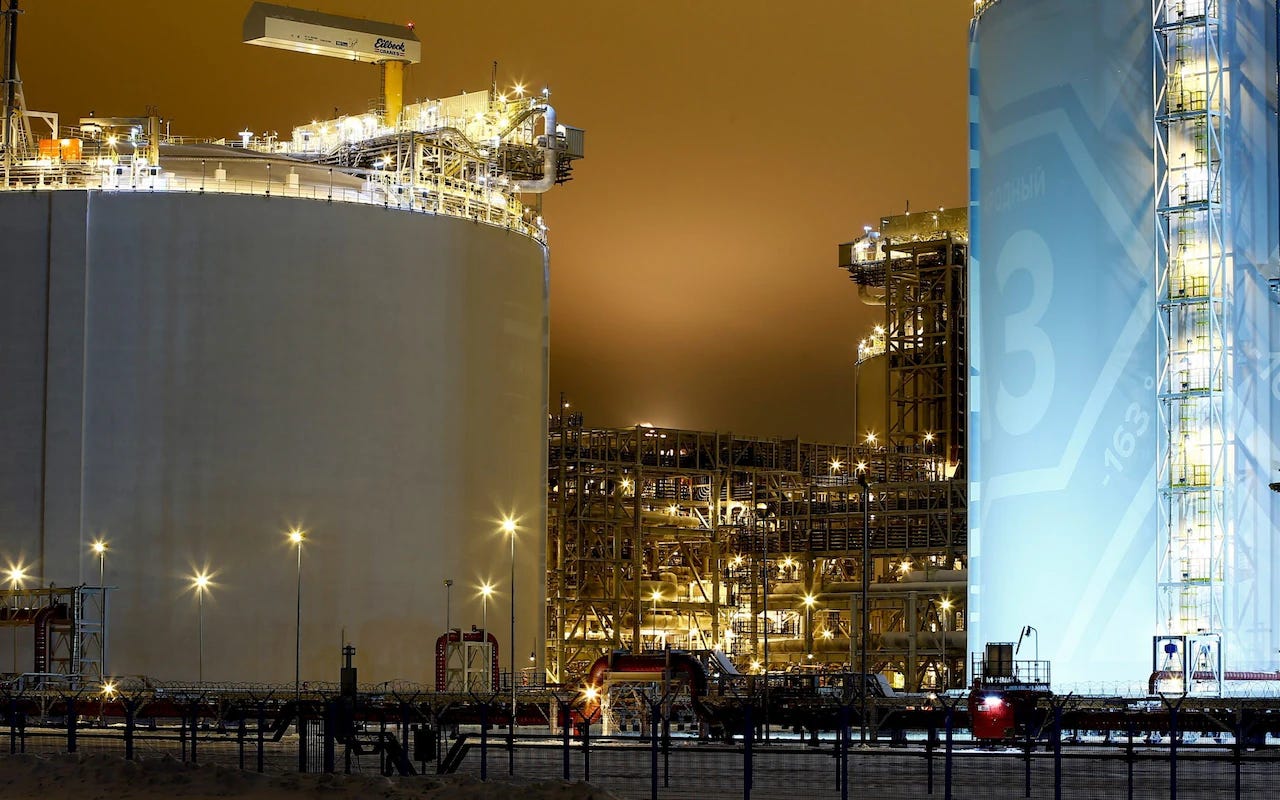
By early 2026, Europe had paradoxically increased its imports of Russian LNG by 16%, acquiring nearly 10 million tonnes from the Yamal LNG project—almost the entirety of the Siberian facility’s output. This surge starkly contrasts with EU energy chief Dan Jørgensen’s emphatic pledge that Europe would not import 'as much as one molecule from Russia,' revealing a glaring gap between official commitments and actual energy procurement practices.
The financial implications of these imports deepen the contradiction, as Novatek—the operator of Yamal LNG—is partly owned by Putin allies Leonid Mikhelson and Gennady Timchenko, with an additional 10% stake held by Gazprom, which maintains board influence. This ownership structure channels substantial revenue directly to the Kremlin, effectively funneling European energy payments into Russia’s war machinery despite public sanctions rhetoric.
Critics highlight the moral and strategic dissonance of Europe ramping up Russian LNG purchases precisely when Moscow intensified attacks on Ukraine’s energy infrastructure and civilian targets. This simultaneous economic support and military aggression have been described as a 'double slap in the face' to Ukraine, exposing a troubling inconsistency that risks undermining the credibility and effectiveness of the EU’s sanctions regime.