America’s lithium jackpot fuels a high-stakes showdown: innovation, extraction, and environmental reckoning
The gist
America’s lithium jackpot is fueling a fierce showdown between innovation, extraction, and a reckoning with environmental and social costs.
What to know
- The U.S. uncovered up to 40 million metric tons of lithium in Oregon by 2026, but regulatory gridlock means it supplies just 0.3% of global demand.
- New extraction tech like EnergyX’s $400M Utah project and low-temp chemical processes promise cleaner, faster lithium—but water use and toxic waste remain massive headaches.
- Oregon’s $1.5 trillion lithium lode has industry buzzing and environmentalists fuming, as the nation weighs economic windfall against the threat to fragile desert ecosystems.
Lithium’s American Paradox
Vast new U.S. lithium reserves could end import dependence, but regulatory delays and environmental standoffs threaten to keep billions buried underground.
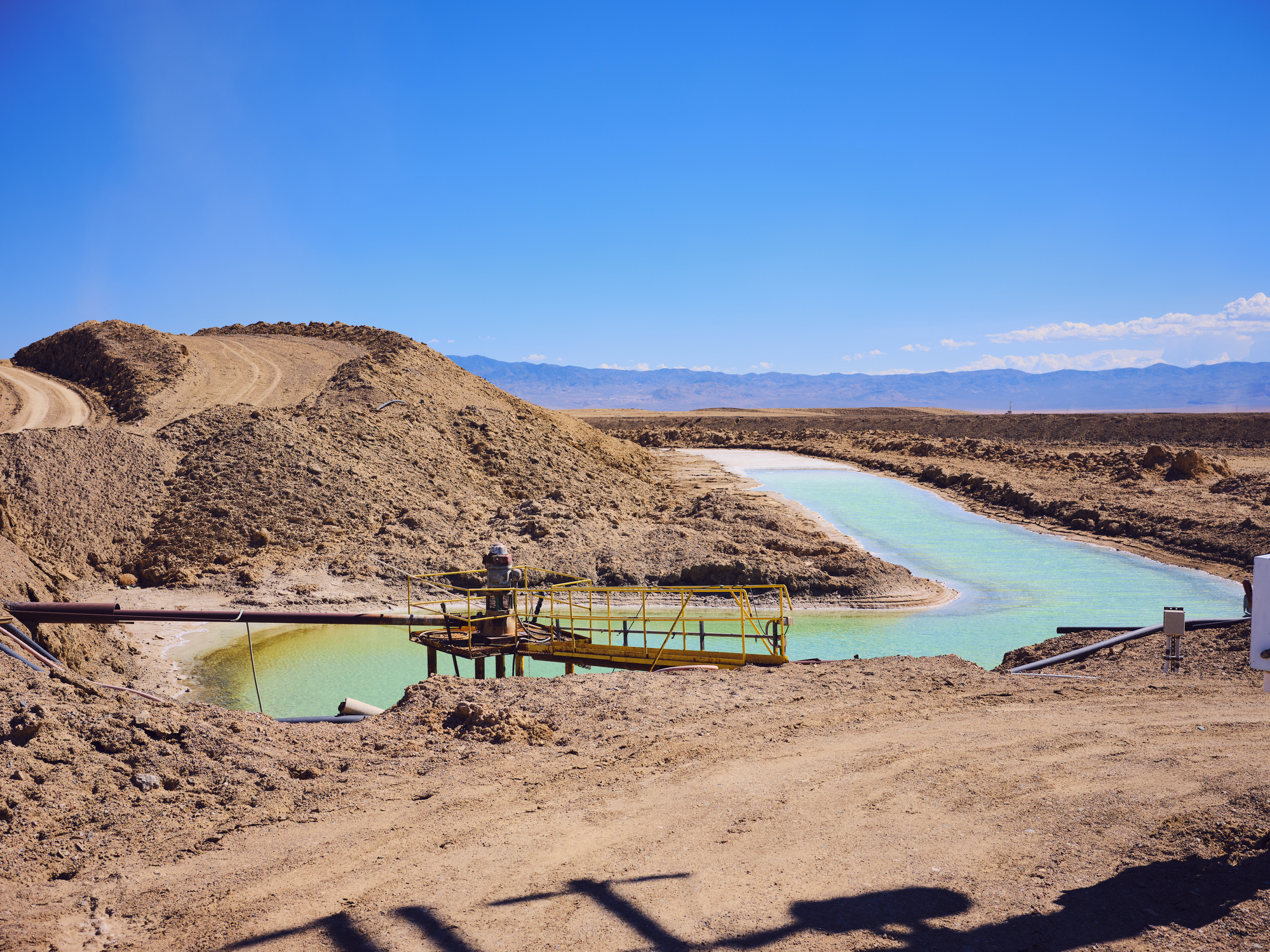
By early 2026, the United States unveiled a treasure trove of lithium deposits spanning Appalachia, Nevada-Oregon, and Arkansas, with the Appalachian region alone holding an estimated 2.3 million metric tons—enough to replace over three centuries of imports at recent consumption rates. The McDermitt Caldera in Oregon emerged as a particularly staggering find, boasting 20 to 40 million metric tons of lithium-rich clay valued at approximately $1.5 trillion, positioning the U.S. to dramatically reshape its domestic lithium supply landscape and reduce reliance on foreign sources.
Despite this geological bounty, the U.S. lithium industry remains hamstrung by regulatory inertia and underdeveloped infrastructure, producing a mere 610 metric tons in 2024—just 0.3% of global output—with only three projects underway as of mid-2025. This stark contrast between resource potential and actual production underscores the decade-long timelines and environmental permitting hurdles that have stalled progress, demanding urgent federal investment and regulatory reform if the U.S. hopes to reclaim its former status as the world’s dominant lithium producer.
Mining ambitions in Oregon’s McDermitt Caldera reflect the scale of opportunity and challenge ahead, as companies plan to drill hundreds of wells across the remote high desert to tap into this vast lithium reserve. However, this push for rapid development is met with caution from environmentalists and local communities concerned about irreversible damage to fragile desert ecosystems, highlighting the delicate balance between accelerating resource extraction and preserving biodiversity—a tension that will shape the regulatory landscape and sustainability of U.S. lithium production.


Tech Revolution in Extraction
Next-generation chemical and direct lithium extraction methods promise cleaner, faster production while challenging entrenched industry risks and operational models.
By mid-2026, EnergyX’s deployment of direct lithium extraction (DLE) technology at Utah’s Great Salt Lake exemplifies a transformative shift in lithium sourcing, aiming to produce up to 30,000 tons annually through a $400 million investment in partnership with Compass Minerals. This collaboration not only leverages the lake’s vast 2.4 million metric tons lithium resource but also innovates operational models by assigning regulatory and operational risks to EnergyX while Compass provides brine access and equipment, reflecting a strategic approach to mitigate risks and optimize resource use amid rising environmental scrutiny. Such efforts are part of a broader industry movement, with players like Lilac Solutions and Exxon Mobil also pushing advanced chemical extraction methods to overcome longstanding regulatory and ecological challenges in lithium mining.
Simultaneously, researchers have pioneered a novel chemical process for extracting lithium from spodumene ore that dramatically reduces energy consumption and environmental impact compared to traditional methods. Operating at a modest 70° C using ammonium fluoride dissolved in water, this technique regenerates its key chemicals and produces commercially valuable byproducts like aluminum oxide and silicon dioxide, sidestepping the energy-intensive 1,000° C heating and sulfuric acid leaching that generate harmful sulfur-containing waste. By carefully controlling hazardous intermediates such as hydrogen fluoride and recycling ammonia to reform ammonium fluoride, this innovation not only enhances efficiency and cost-effectiveness but also minimizes environmental and safety risks, signaling a promising leap forward in sustainable lithium extraction.


Water Wars and Toxic Fallout
Lithium mining’s insatiable thirst and hazardous waste streams are straining global water supplies and amplifying social inequities, with fragile communities paying the steepest price.
Lithium mining, particularly in arid regions like Chile’s Salar de Atacama where it accounts for up to 65% of regional water use, exerts immense pressure on scarce water resources, competing directly with local agriculture and fragile ecosystems. In 2024 alone, the global lithium industry consumed approximately 456 billion liters of water—enough to meet the annual domestic needs of 62 million people in sub-Saharan Africa—highlighting the staggering scale of environmental demand. This intense resource strain underscores the urgent need for sustainable water management practices in lithium extraction zones.
Beyond water depletion, lithium and other critical mineral mining generate vast quantities of toxic waste, including heavy metals, acids, and radioactive residues, which contaminate local water sources and exacerbate ecological degradation. For every metric ton of usable rare earth minerals, up to 2,000 metric tons of hazardous waste are produced, often stored in leaching ponds that pose long-term environmental risks. This toxic legacy amplifies the environmental footprint of lithium mining, demanding stricter oversight and innovative waste management solutions.
The environmental toll of lithium mining is compounded by social injustices, as vulnerable and impoverished communities bear disproportionate harms without robust governance frameworks. The UN University Institute for Water, Environment and Health warns that without stringent monitoring and regulation, the extraction of critical minerals risks replicating the exploitative patterns historically seen in fossil fuel industries, deepening inequalities and worsening livelihoods in already marginalized regions. This calls for comprehensive policies that integrate social equity with environmental sustainability to ensure mining benefits do not come at the expense of the world’s poorest populations.

SQM: The Global Power Broker
Chile’s SQM is racing to secure its dominance as lithium demand for batteries soars, intensifying a global scramble for control over the world’s energy future.
By early 2026, SQM, the Chilean multinational with nearly six decades of experience, stands as a cornerstone in the global lithium market. Operating primarily in Northern Chile, SQM is actively securing reserves and expanding production to meet the surging demand for lithium-ion batteries, which are essential for electric vehicles and smartphones. This intensifying demand is projected to outstrip supply by 2026, fueling a fierce scramble among producers and underscoring SQM's strategic role in stabilizing future battery material availability.

Oregon’s Boom, Nature’s Risk
America’s lithium jackpot in Oregon pits trillion-dollar ambitions against mounting fears of ecological destruction and local backlash over unchecked mining expansion.
The discovery of a massive $1.5 trillion lithium deposit in Oregon in May 2026 presents a pivotal economic opportunity for the United States to bolster its domestic supply chain for critical technologies like smartphones. However, this potential boon is shadowed by strong environmentalist and local community concerns over the rapid expansion of mining activities, which threaten to cause irreversible damage to the fragile high desert ecosystems. Mining companies’ plans to drill hundreds of wells across this remote terrain have intensified calls for a cautious, responsible approach that carefully weighs economic ambitions against sustainability and community rights.