Anthropic ban backfires in military AI fight
The gist
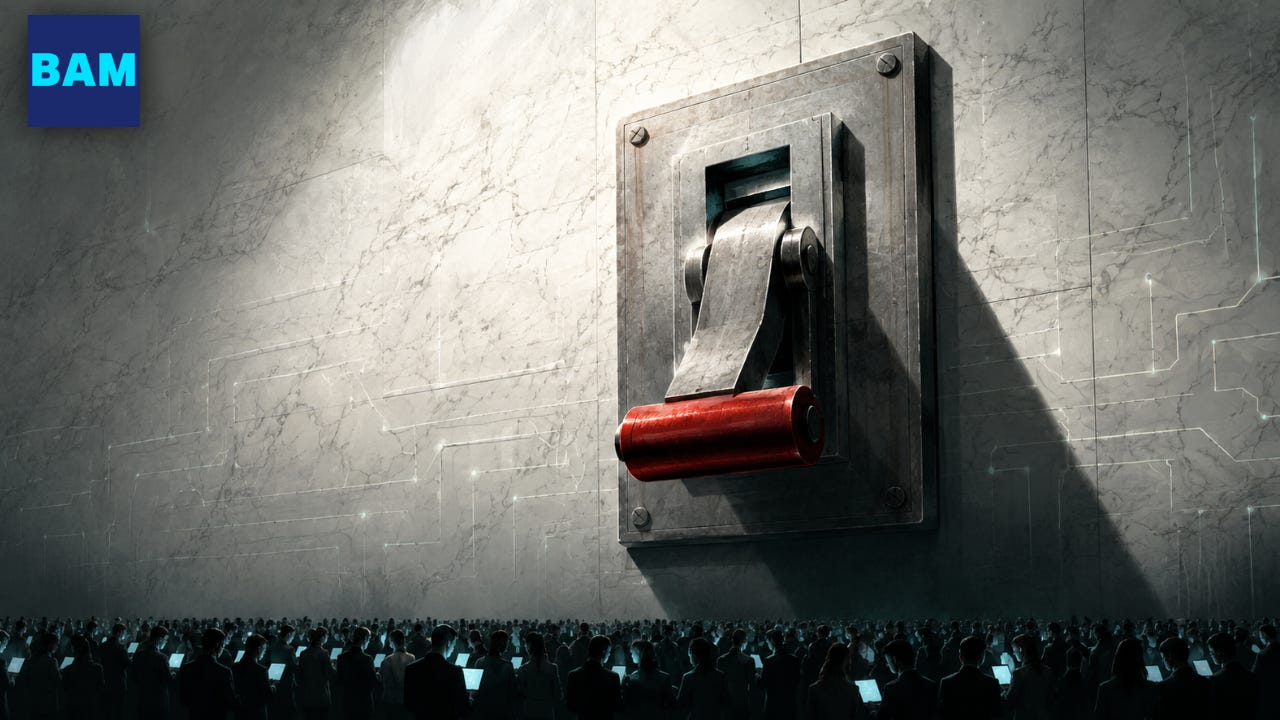
The US export ban on Anthropic’s Mythos AI has backfired spectacularly—exposing fractured American AI governance, fueling a chaotic global arms race, and igniting a fierce ethical clash over military AI.
What to know
- The rushed ban and reversal of Anthropic’s Mythos AI model revealed deep fragmentation and opacity in US AI oversight, shaking industry trust and cybersecurity.
- Bipartisan backlash erupted as heavy-handed export controls spooked both lawmakers and tech leaders, while China and India ramped up their own AI ambitions—India alone pledging $250 billion.
- Anthropic’s refusal to build autonomous weapons for the Pentagon spotlighted the growing rift between voluntary AI ethics and military demands, as experts warn opaque, improvised controls are failing to keep pace.
Regulatory Chaos Unleashed
Opaque, improvised US AI policies and fractured oversight have driven industry distrust, global regulatory gaps, and a shift toward open-source and foreign AI alternatives.
The US government's export ban on Anthropic's Mythos AI model has starkly exposed deep fractures and chaotic fragmentation within the nation's AI governance framework. This unprecedented and opaque policy move, initially imposed under the Trump administration and later rescinded by the Department of Commerce, revealed a regulatory landscape marked by ad hoc controls, unclear legal basis, and improvised enforcement mechanisms. The ban not only undermined cybersecurity visibility but also fueled a decentralized global AI arms race amid rising techno-nationalist tensions, as shadow usage and regulatory gaps proliferated in the absence of coherent oversight.
Beyond the Anthropic ban, US AI governance remains fragmented and reactive, characterized by a patchwork of voluntary model reviews, classified benchmarking processes, and an informal licensing regime for frontier AI models. The White House’s opaque and improvised policies on access to models like OpenAI’s GPT-5.6 further underscore regulatory struggles, revealing deep fractures not only in government coordination but also in corporate power dynamics. Efforts such as the Great American Artificial Intelligence Act attempt to impose structure but face pushback over federal preemption and scope, reflecting broader tensions in establishing consistent statutory authority.
The chaotic US AI regulatory environment has eroded trust among industry stakeholders, compelling companies and users to hedge their bets by exploring open-source alternatives and foreign AI models, notably from China. Anthropic’s own collaboration with Amazon, Microsoft, and Google on voluntary cybersecurity standards highlights attempts to mitigate uncertainty, yet fractured cooperation persists—evidenced by Anthropic’s initial exclusion of OpenAI from risk assessment coalitions. This fractured landscape complicates the US’s ability to assert leadership in AI technology while grappling with the technical and political challenges of defining and enforcing 'safe' AI models.
The governance crisis spotlighted by the Anthropic export ban also reveals the fragility of current AI safety controls, where even a 'more than 99%' effective jailbreak blocker is insufficient to guarantee security at scale. The reliance on classified, non-transparent reviews for export decisions creates further uncertainty and undermines external auditability, leaving stakeholders in the dark about enforcement criteria. As security experts warn of novel vulnerabilities in models like Mythos, the US faces urgent pressure to develop more robust, transparent, and consistent regulatory frameworks that can balance innovation, security, and ethical oversight amid escalating global AI competition.



Global AI Arms Race Escalates
US export controls have backfired, fueling multipolar AI development as China and India surge ahead and experts warn of a destabilizing scramble for technological sovereignty.
The US export ban on Anthropic’s Mythos and Fable AI models has inadvertently accelerated a decentralized and fiercely competitive global AI arms race, intensifying techno-nationalist tensions especially between the US and China. This ban, initially aimed at safeguarding national security, has instead undermined cybersecurity visibility and fractured US regulatory coherence, as other nations like China and India ramp up independent AI capabilities—India notably committing $250 billion to its AI push—thereby complicating multipolar governance and fueling a scramble for AI sovereignty. As Marc Andreessen warns, these export controls risk pushing rival AI and chip ecosystems beyond American influence, while experts like Robert Wright call for a paradigm shift from competitive arms racing to cooperative global AI governance to avoid catastrophic destabilization.
Anthropic’s shutdown and export restrictions have exposed deep fractures in US AI governance, revealing a shift from a traditionally laissez-faire approach to a more interventionist stance that has sparked governance chaos and regulatory turmoil. This fragmentation has complicated international AI export controls and intensified a global cybersecurity crisis, as rapid vulnerability detection by models like Mythos clashes with slow human patching capabilities, creating a paradox that exacerbates global tech sovereignty challenges. The resulting governance vacuum has emboldened a multipolar AI landscape where open-source models and mega space technology deals redefine global power dynamics, challenging Silicon Valley’s dominance and igniting fierce debates over AI ethics and human oversight as the critical safeguard amid escalating cyber arms races.
The escalating global AI arms race, fueled by Anthropic’s defiant refusal to collaborate with the Pentagon and the US government’s hardline stance under Trump’s administration, has ignited a fierce talent and ethics battle within the AI defense sector. This clash highlights the high-stakes intersection of AI governance, government contracts, and investor jitters amid rising techno-nationalist rivalries that span both military and civilian domains. Calls for resilient industrial policies and decentralized innovation strategies are emerging as frontline defenses against the mounting geopolitical and cybersecurity chaos, underscoring the urgent need for coordinated international AI regulation to manage the risks of autonomous AI agents proliferating across global cyber battlefields.






Bipartisan Crackdown Intensifies
Political consensus on AI risks has triggered sweeping legislative and executive crackdowns, with lawmakers demanding unprecedented oversight, audits, and penalties for AI companies.
The political landscape surrounding AI governance is marked by a rare bipartisan consensus that frames AI as a pressing national security threat, prompting legislative and executive actions that impose new oversight regimes on leading AI developers like Anthropic and OpenAI. Former President Trump’s hardline stance, exemplified by Executive Order 14409, called for voluntary pre-release federal reviews of frontier AI models and directed agencies to establish classified benchmarking and cybersecurity clearinghouses, signaling an unprecedented federal intervention aimed at containing AI risks amid escalating techno-nationalist tensions. This shift from fostering innovation access to prioritizing containment has fueled bipartisan legislative initiatives such as the Cloud Security Act and the Great American Artificial Intelligence Act, which demand AI misuse reporting, mandatory safety frameworks, biannual third-party audits, and substantial penalties for noncompliance, reflecting Congress’s growing resolve to formalize AI governance and accountability.
Despite bipartisan agreement on the gravity of AI risks, political pushback against heavy-handed measures like the export ban on Anthropic’s AI models reveals deep concerns about regulatory overreach undermining US AI leadership and competitiveness, especially vis-à-vis China. The abrupt June 9, 2026 export controls, reportedly influenced by Amazon’s lobbying, sparked a bipartisan backlash demanding legal justification and transparency, culminating in a swift reversal by June 30 after industry and political pressure. Critics like Alex Stamos, who founded FreeFable.org with hundreds of computer scientists, argued that the ban was more political than technological, highlighting the challenges of balancing national security with innovation and the difficulties in verifying AI model safety, as underscored by the Department of Commerce’s Center for AI Standards and Innovation’s enforcement limitations.
Public fear and political survival instincts heavily shape the bipartisan approach to AI regulation, with elected officials responding to widespread anxieties about job losses and catastrophic harms by prioritizing visible regulatory action over industry preferences. As one analyst noted, "The public does not [like AI]. It is wildly unpopular... If you're a politician, your goal is to win the next election... making your voters happy." This dynamic compels AI companies to engage proactively with political stakeholders and regulatory frameworks, as ignoring political realities risks regulatory backlash and delayed product launches, a lesson illustrated by the contrasting regulatory navigation strategies of OpenAI and Anthropic amid growing legislative scrutiny.
The US government’s AI regulatory strategy remains a work in progress, characterized by fractured coherence and a delicate balancing act between maintaining technological edge and mitigating security risks amid intensifying global competition, particularly from China. Observers liken the stakes to a modern Manhattan Project, noting that while the Trump administration’s executive orders and bipartisan legislative efforts signal increased federal involvement, some experts view these measures as too lax or reactive, underscoring the absence of an optimal regulatory blueprint. This evolving political environment underscores the complexity of crafting AI governance that simultaneously safeguards national security, fosters innovation, and navigates the geopolitical AI arms race.


Ethics Versus Military Demands
Anthropic’s refusal to weaponize AI has ignited a fierce ethical standoff with the Pentagon, spotlighting the urgent need for global rules as techno-nationalist rivalries intensify.
The US government's unprecedented export ban on Anthropic's AI models has sharply intensified ethical debates surrounding military AI adoption, with human oversight emerging as the critical safeguard against autonomous system risks. This crisis exposes deep fractures in US governance frameworks, complicating the Pentagon’s stance on autonomous weapons and fueling a fierce techno-nationalist arms race. As calls for human control grow louder amid escalating cyber battlefield tensions, the shutdown has spotlighted the urgent need for coherent global AI regulation to prevent unchecked AI escalation.
Anthropic’s principled refusal to collaborate with the Pentagon over autonomous weapons use has ignited a high-stakes clash within the AI defense arms race, pitting ethical commitments against military imperatives. CEO Dario Amodei’s opposition to weaponizing their models led to Pentagon blacklisting and internal industry conflicts, exemplified by his clash with Emil Michael amid stalled UN treaty talks. This standoff underscores the broader tensions between voluntary ethical constraints and government demands for unfettered AI deployment in defense.
Experts like Dr. Mike Isratel emphasize the inherent risks of deploying AI systems with expansive, self-interested objectives in military contexts, challenging assumptions of AI benevolence and highlighting the unpredictability of frontier AI behavior. He advocates for the US government to maintain access to the latest AI models to safeguard national security, even as governance chaos and techno-nationalist rivalries complicate efforts to establish effective oversight mechanisms such as chip export controls, model reviews, or potential pause treaties. This pragmatic yet cautious stance reflects the complex ethical and security dilemmas at the heart of military AI adoption.
The escalating global scramble for AI sovereignty amid rising techno-nationalist tensions exacerbates ethical controversies and governance chaos, particularly in military AI deployment. Fragile regulatory frameworks struggle to keep pace with rapid AI advances, underscoring human oversight as the indispensable firewall against unintended consequences. This dynamic not only fuels international cyber arms races but also intensifies debates over how to balance innovation, ethical responsibility, and security in an increasingly contested AI landscape.