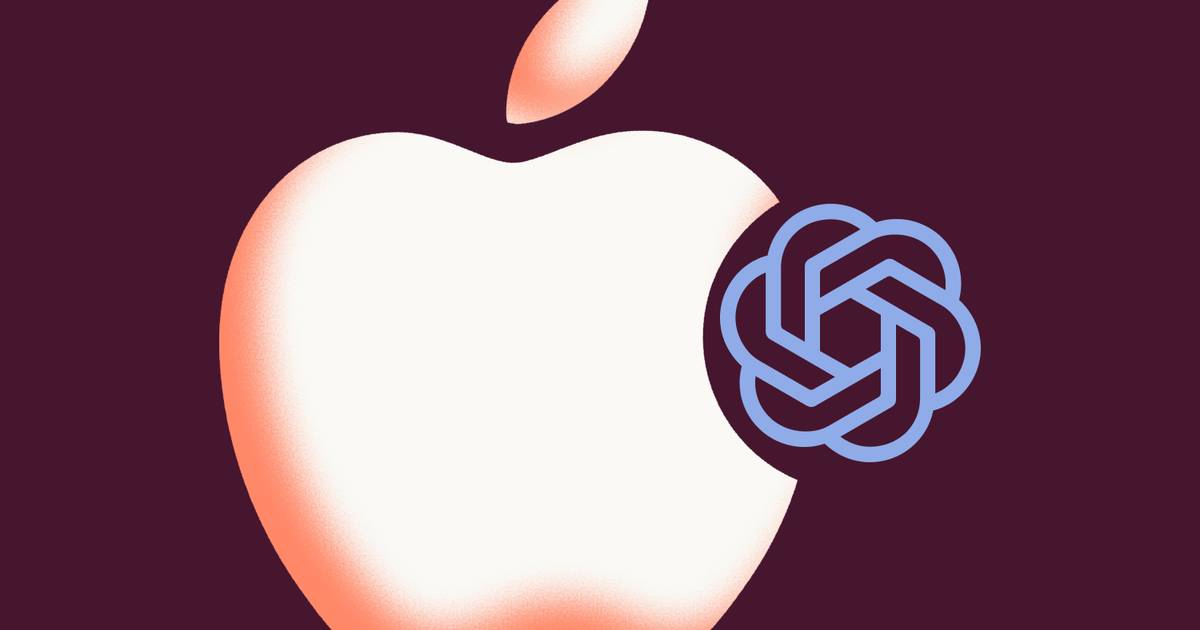
Apple sues OpenAI in AI talent war as industry faces legal, ethical, and political turmoil
The gist
Apple’s blockbuster lawsuit against OpenAI ignites a fierce AI talent and trade secret war, exposing the industry’s legal, ethical, and political fault lines.
What to know
- Apple accuses OpenAI of orchestrating a trade secret heist by poaching over 400 former Apple employees, including its ex-hardware chief, and exploiting security loopholes to accelerate AI device development.
- Meta yanked its Muse Image AI tool from Instagram after public outcry over using people’s faces without clear consent, as Hollywood unions and agencies demand stronger opt-in protections for likeness rights.
- OpenAI faces internal revolt as employees back a $215,000 pro-regulation super PAC, clashing head-on with president Greg Brockman’s $50 million anti-regulation war chest and deepening governance divides.
Apple’s Security Breach Fallout
Allegations of brazen trade secret theft and security lapses reveal how OpenAI’s aggressive hiring spree could upend its hardware ambitions and set major legal precedents for the entire AI industry.
Apple's lawsuit against OpenAI alleges a systematic campaign of trade secret theft centered on the aggressive hiring of over 400 former Apple employees, particularly from hardware engineering and cloud departments. Key figures such as OpenAI's Chief Hardware Officer Tang Tan, a former Apple executive with 25 years overseeing iPhone and Apple Watch design, are implicated for encouraging recruits to bring proprietary hardware parts to interviews, which Apple claims breaches confidentiality. The complaint details egregious misconduct including a former Apple engineer who retained a company laptop, exploited security flaws to access internal systems post-departure, and downloaded confidential files to accelerate OpenAI's hardware ambitions, highlighting serious internal security breaches and ethical concerns within OpenAI’s leadership.
The legal battle underscores the challenges of protecting trade secrets in California’s permissive employment environment, where non-compete agreements are largely unenforceable and the inevitable disclosure doctrine is narrowly applied. As legal expert Jean Gan notes, trade secret law remains Apple's primary legal recourse to safeguard its institutional knowledge amid high talent mobility, especially given that over 400 former Apple employees now work at OpenAI. This dynamic complicates the distinction between general expertise and proprietary information, making OpenAI’s ability to document independent development critical as the lawsuit threatens to set important precedents for IP protection and talent mobility in the AI sector.
Apple’s lawsuit not only challenges OpenAI’s talent acquisition strategies but also threatens to significantly disrupt OpenAI’s hardware product development and IPO timeline. Analysts like Paul Semanza characterize Apple’s targeting of its supply chain and proprietary manufacturing processes as 'a declaration of war,' with the litigation likely causing delays in OpenAI’s planned 2026-2027 hardware launches, including AI wearables developed in collaboration with Jony Ive. The dispute introduces operational and reputational risks, as discovery could expose internal documents and employee interviews, forcing OpenAI to reconsider its development roadmap amid heightened legal scrutiny and investor caution.
Beyond immediate legal ramifications, the lawsuit spotlights broader governance gaps in AI intellectual property controls, hiring practices, and vendor management, emphasizing the escalating trust, transparency, and security battles reshaping the AI industry. Apple’s aggressive stance reflects its effort to defend its dominant consumer hardware ecosystem against OpenAI’s encroachment, as the latter seeks a direct consumer relationship through AI-integrated devices. This conflict illustrates how institutional knowledge and proprietary data sets have become strategic moats in AI competition, shifting the battleground from mere model access to the effective development and retention of human expertise within organizations.


Consent Crisis Hits AI Art
Meta’s abrupt withdrawal of Muse Image AI spotlights mounting legal and reputational risks as unions and agencies demand explicit opt-in consent for the use of personal likenesses in generative tools.
Meta's rapid removal of the Muse Image AI feature on Instagram underscores the intensifying ethical scrutiny surrounding AI-generated content, particularly regarding the use of facial data without explicit consent. Industry experts like Azadeh Williams highlighted significant concerns about consent, brand safety, and legal liabilities, which were echoed by influential organizations such as SAG-AFTRA and the Creative Artists Agency (CAA), both demanding opt-in consent protocols before individuals' likenesses are used in AI applications. This collective pushback reflects a broader industry reckoning with the need for transparent, permission-based AI features to safeguard personal rights and mitigate reputational risks.
OpenAI’s Political Civil War
A deep internal rift pits pro-regulation employees against anti-regulation leadership, fueling industry-wide governance clashes as rival AI firms battle over the future of safety rules and corporate power.
By mid-2026, OpenAI is embroiled in a pronounced internal political conflict as a faction of employees actively funds stronger AI regulation through the Guardrails Alliance super PAC, contributing over $215,000 in direct opposition to OpenAI president Greg Brockman’s $50 million pledge to Leading the Future, which opposes stringent regulation. This stark financial disparity underscores not only a symbolic but potentially impactful fissure within the company, raising critical governance questions about how OpenAI manages dissenting voices who challenge the leadership’s political stance, especially when such activism could threaten company cohesion and culture.
OpenAI employees have shifted from internal debates on AI safety to external political activism, recognizing that voluntary safety research risks becoming 'largely academic' without binding regulations, as articulated by Cerón Uribe. This evolution reflects a growing awareness that internal influence has limits, prompting employees to invest personal funds in candidates and organizations that may impose enforceable safety mandates on their employer, thereby reshaping AI governance strategies amid bipartisan gridlock and global regulatory uncertainty.
The internal political strife at OpenAI is emblematic of broader industry-wide fractures, where escalating tensions fueled by competing regulatory ambitions, corporate rivalries, and geopolitical factors create a fractured AI governance landscape marked by an accelerating arms race and growing distrust. This dynamic is further complicated by the fierce rivalry between OpenAI and Anthropic, whose employees and leadership clash over regulatory approaches—Anthropic actively lobbying for state-level safety legislation and opposing OpenAI’s push for harmonized federal laws—intensifying governance challenges just as coordinated regulation becomes increasingly urgent.
Factionalism within AI firms manifests through significant political donations to competing super PACs aligned with divergent regulatory visions, with Anthropic staff donating over $3.1 million to the pro-AI safety Public First and raising $275,000+ for AnthroPAC, which leans slightly Republican, while OpenAI employees contribute to Guardrails Alliance opposing Brockman-backed Leading the Future. Amid this fractious environment, prominent AI leaders like Demis Hassabis advocate for structured governance frameworks such as a US-led global AI watchdog modeled on FINRA, signaling a push for formalized oversight despite deep internal disagreements.