BUILD America 250 act fuels school bus safety blitz and driverless truck debate
The gist
Congress’s $580B BUILD America 250 Act is turbocharging school bus safety reforms and igniting a national face-off over driverless trucking rules.
What to know
- The Act delivers the first federal framework for autonomous trucks, aiming to unify patchwork state rules and speed up deployment.
- School bus safety is in the spotlight, with over 39 million illegal passing violations projected for 2025–2026 and states like Connecticut cracking down with license suspensions.
- Tech innovations—like Miami-Dade’s AI-powered BusPatrol cameras—and legislative pushes in NY/NJ are reshaping how students get to school, while debates rage over new EV fees and workforce shortages.
Bipartisan Bill Revamps Transit
With $580 billion and rare cross-party support, the BUILD America 250 Act not only modernizes infrastructure but also centralizes autonomous vehicle oversight, signaling a new era of unified U.S. transportation policy.
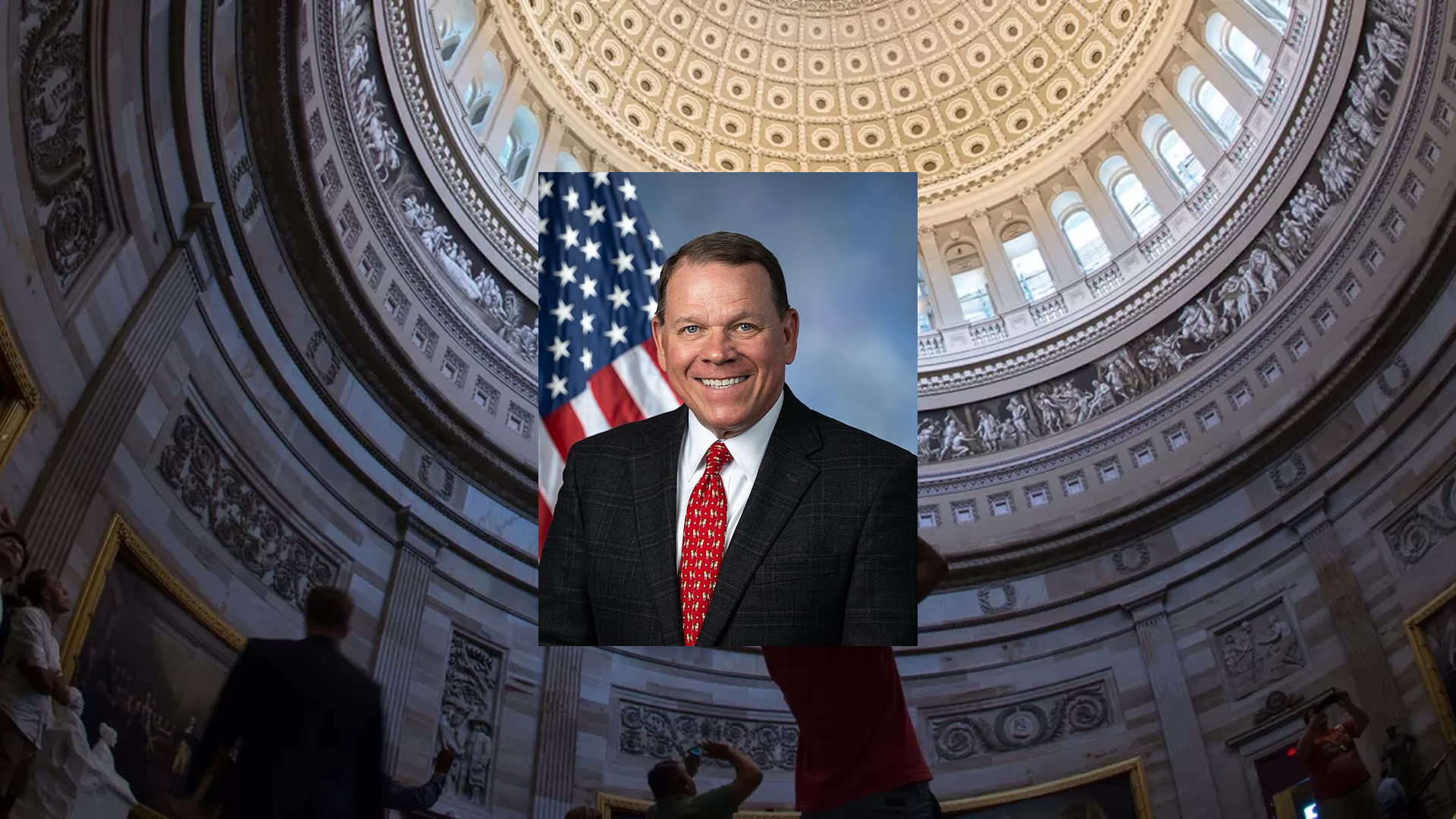
The BUILD America 250 Act, championed by Chairman Sam Graves, marks a historic federal commitment with over $580 billion allocated across five years to revitalize U.S. infrastructure, including bridges, roads, ports, and rail systems. This comprehensive investment not only addresses critical repair and modernization needs but also streamlines permitting processes to accommodate evolving vehicle technologies such as electric and hybrid cars, reflecting a forward-looking approach to transportation infrastructure. The legislation’s broad bipartisan support, evidenced by overwhelming committee votes (62–2 and 61–2), underscores a rare political consensus on the urgency of infrastructure renewal and economic growth.
A groundbreaking feature of the BUILD America 250 Act is the establishment of the nation’s first federal regulatory framework for autonomous commercial vehicles, designed to replace the current fragmented state regulations and accelerate the deployment of driverless trucks. Industry leaders like Kodiak and Torc Robotics have voiced strong support for this unified approach, which also includes mandates for enhanced safety standards, workforce training, and stricter oversight of rail and freight operations. By restoring federal authority to enforce regulations and certifying technologies such as electronic logging devices, the Act aims to integrate emerging innovations while maintaining rigorous safety oversight.
Beyond national infrastructure, the Act delivers targeted investments to regional economies, exemplified by Alabama’s allocation of up to $142 million annually for bridge repairs, port enhancements, and transportation workforce development. Congressman Shomari C. Figures highlights these provisions as vital for public safety and economic vitality in Mobile and surrounding areas, illustrating how federal legislation translates into localized benefits. Additionally, the Act addresses specific operational aspects such as school bus safety by waiving certain pre-trip inspections within a 150-air-mile radius and mandating human operators on autonomous vehicles transporting minors, alongside launching a national campaign against illegal school bus passing to bolster roadway safety.
While the BUILD America 250 Act enjoys strong bipartisan backing, some debate looms over labor provisions and truck size regulations as the bill approaches the House floor. Moreover, industry reactions reveal a nuanced landscape: safety advocates applaud expanded enforcement and safety programs, whereas clean transportation proponents express concern over new fees on electric vehicles and reductions in emission-related funding. This tension highlights the complex balancing act lawmakers face in advancing infrastructure modernization while addressing environmental and labor considerations within the evolving transportation ecosystem.


Cracking Down on Bus Violations
States are escalating penalties and closing knowledge gaps as millions of illegal school bus passes expose critical shortcomings in driver awareness and enforcement.
Illegal passing of school buses remains a critical safety issue, with over 39 million violations estimated in the 2025-2026 school year alone. This problem is exacerbated by distracted driving behaviors—such as speeding, phone use, and texting near school zones—reported by more than half of surveyed parents, according to Verra Mobility. Notably, industry research highlights that nearly all drivers caught by stop-arm camera programs do not re-offend, underscoring the effectiveness of enforcement combined with awareness efforts in curbing dangerous behavior.
A significant portion of drivers remain unaware of the legal requirements to stop for school buses, with 24.3% of respondents in a survey believing violators simply do not know when to stop. This knowledge gap is particularly alarming given that the most perilous moments for student pedestrians occur within the 10-foot zone around the bus, where recent fatalities have tragically underscored the stakes. These insights emphasize the urgent need for both education and enforcement to protect children during these vulnerable times.
States like Connecticut are taking decisive action by imposing license suspensions on repeat illegal school bus passing offenders, signaling a shift toward stricter penalties to enhance student safety. Meanwhile, New York’s proposed legislation aims to broaden safe transportation options by permitting vetted community drivers to operate smaller vehicles without commercial licenses, blending accessibility with safety for vulnerable student populations. These targeted enforcement and innovative transportation strategies reflect a comprehensive approach to safeguarding children on their journeys.
The BUILD America 250 Act institutionalizes a national campaign against illegal school bus passing and expands safety programs to protect vulnerable road users, including mandates for human operators on autonomous vehicles transporting minors. Complementing this legislative framework, Florida’s relaunch of the BusPatrol AI-powered stop-arm camera program—with enhanced oversight by the Miami-Dade Sheriff’s Office and a transparent administrative hearing process—demonstrates how technology and policy converge to improve compliance. The program’s integration of 360-degree cameras, GPS tracking, and emergency response tools, alongside a public awareness campaign and a two-week warning period before imposing $225 fines, exemplifies a balanced enforcement strategy that educates drivers while holding violators accountable.
Tech-Driven Safety Overhaul
AI-powered cameras and federal regulatory reforms are reshaping how autonomous vehicles and school buses operate, blending innovation with new legal safeguards and sparking debate over EV fees.
The BUILD America 250 Act marks a pivotal step in unifying and accelerating the deployment of autonomous commercial vehicles across the U.S. by establishing the first federal regulatory framework that replaces the fragmented state-level rules. This legislation not only mandates new safety standards and workforce training for sectors like rail and freight but also thoughtfully integrates autonomous technology into sensitive operations such as school bus transportation, requiring human operators on autonomous vehicles carrying minors to ensure safety.
Technological enforcement tools are reshaping transportation safety, exemplified by Miami-Dade’s relaunch of the BusPatrol AI-powered stop-arm camera program. Featuring 360-degree cameras and GPS tracking, the program effectively deters illegal school bus passing, with data showing reduced repeat offenses. Importantly, new safeguards like oversight by the Miami-Dade Sheriff’s Office and clear administrative hearing processes address due process concerns, while a phased enforcement approach combined with public awareness campaigns fosters smoother compliance among drivers.
Federal trucking legislation, including the bipartisan H.R. 8870 bill, is advancing the integration of emerging technologies by certifying electronic logging devices and supporting autonomous vehicle operations while preempting restrictive state laws. This bill also restores the FMCSA’s authority to assess penalties, reinforcing enforcement capabilities critical to upholding technology-driven safety measures. However, industry reactions remain mixed, with safety advocates applauding enhanced enforcement but clean transportation proponents voicing concerns over new electric vehicle fees and cuts to emission-related funding.
Future-Proofing Student Transit
Community-driven solutions and legislative reforms are tackling driver shortages, while historical perspective and emerging technology shape the next century of safe, sustainable student transportation.
By mid-2026, coalitions in New York and New Jersey are spearheading legislative efforts to modernize student transportation, particularly for vulnerable populations such as students with IEPs, those in foster care, and experiencing homelessness. These initiatives propose innovative models allowing vetted community drivers to operate smaller vehicles without commercial licenses, aiming to alleviate chronic bus driver shortages while enhancing affordability and flexibility. Complementary strategies like piggyback contracting and shared services among school districts further underscore a collaborative approach to expanding transportation options, reflecting a nuanced understanding of diverse student needs and resource optimization.
Safety remains a cornerstone of evolving student transportation policies, as evidenced by Connecticut's recent law imposing license suspensions on repeat offenders of illegal school bus passing and national awareness campaigns championed by the National School Transportation Association (NSTA). These measures highlight a dual focus on enforcement and community engagement to protect students, while legislative priorities continue to address persistent challenges such as driver recruitment shortages. The NSTA’s advocacy, including the Driving Forward Act, underscores the urgency of sustaining a qualified workforce amid these safety imperatives.
Looking ahead, the NSTA, led by Curt Macysyn, emphasizes that understanding the rich historical context of student transportation is vital to shaping its future trajectory, especially as America approaches its 300th anniversary. This historical perspective informs current debates on federal regulations and policy innovation, ensuring that progress builds on past lessons. Moreover, emerging technologies like artificial intelligence are poised to revolutionize operational efficiency and leadership within the sector, while sustainability initiatives such as the Clean School Bus Program signal a commitment to environmentally responsible transportation solutions. Macysyn also stresses that community-minded leadership will remain essential in navigating these complex challenges and opportunities.